A Bridge Collapsed: The Biden Presidency

A Bridge Collapsed: The Biden Presidency

Had President Biden made the decision to withdraw from the 2024 race earlier, we might’ve been writing a much different story. Alas, his refusal to do so (in conjunction with his initial proposal that his presidency would mark a “bridge”- like transition to a new generation) will likely be the first thing people recount when asked about his legacy. As it stands, this legacy looks on the grim side of things; at least, according to a Gallup poll which showed 54% of Americans viewed him as a “below average” or “poor” leader. But… history has a way of changing perspectives and so in complete folly, we’re going to (already) try and take the longview in assessing this administration.

Well, it’s a bridge of some kind, albeit between two terms of Donald Trump. So assuming the historians hold true on their negative assessment of Trump’s tenure, they’re not going to be too pleased with Biden for enabling his comeback. Granted, a lot of that blame can be placed at the feet of top Democrat party heads too but the story of a fractured party, torn by generational and cultural values, doesn’t exactly help Biden’s case. Had a more effective coalition been built, there might’ve been proper competition for the MAGA crowd. Instead, this party floundered and yielded way for the return of a stronger Trump backing. 

Granted, some of this was beyond Biden or Trump’s control. The chaos of the pandemic, for instance, was always going to have severe economic repercussions and this came in the shape of a massive 9% inflation rate in 2022. Like Jimmy Carter or any other unfortunate president before him, Biden simply had to take the hand he was dealt. To his credit, he passed sweeping legislation such as the Inflation Reduction Act to tackle this but since prices never went down, the average person was unable to see the benefits of such actions. In actuality, the economy has improved, with record-low employment and a record amount of applications for new businesses. In the next couple of years, Trump will undoubtedly take credit for the changes in fortune as they manifest more clearly. Unfortunately, sound economic policies just can’t be waved as a flag until everyone has else got theirs.

For that matter, the major achievements of the Biden presidency, such as the CHIPS act, his supports of unions, and infrastructure bill seem to pale against the half-glass empty analyses, i.e. the revelation that there are still some ways to go. This will always be true with regards any measures taken by a sitting president (who can only face tough decisions). For example, while the “Plan B” proposals of his student-loan forgiveness scheme were withdrawn, he still managed to achieve $180 billion in loan forgiveness. 

And then there is foreign policy, where there are domestic differences to contend with. Given another era, there probably would’ve been a consensus in the US against Russia. In the 2020s however, there’s even a faction of Republicans who favour their former adversaries over the Democrats, complicating the funds appropriated for Ukraine’s defence. Biden has been steadfast in his support of NATO and a strong ally of Zelensky, but as Trump prepares to take office again, a question mark lingers over how this will resolve. With the Palestine-Israel war then, we have seen divided opinions in the US on an ethnic and generational level. This has marked a shift away from the broad support Israel was once guaranteed there, with critics of Biden’s (and continued US foreign policy) arguing he’s helped facilitate war crimes in the Gaza Strip, failing to ever hold Prime Minister Netanyahu’s government to account. Should the very recent ceasefire hold, Biden might be looked on with some deference eventually, though it’ll be eternally countered with questions of why he couldn’t have pushed for peace sooner. This will also likely go down as the most contentious foreign policy decision of any president since George W Bush. We’re also going to have to contend with speculation on whether the incoming Trump administration was a greater factor in allowing this to pass.

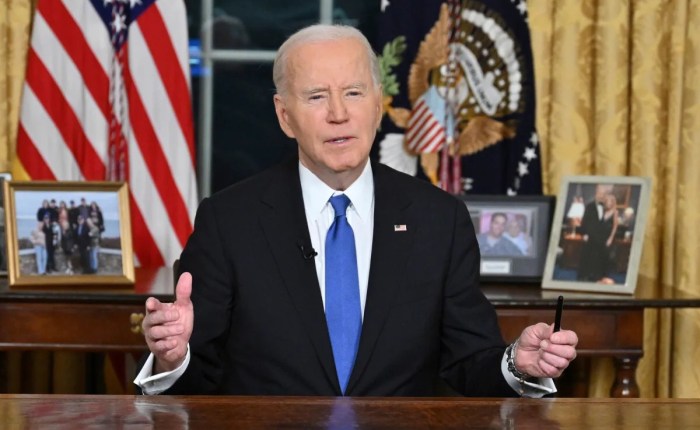
Whichever way you look at the Biden presidency, Donald Trump seems to hover over it at every turn. The return to “normalcy” or the goal of “restoring the soul of the nation” has either fallen flat or been dismissed as liberal hogwash. Trump has, in a sense, been legitimised this time around; by virtue of winning the popular vote and the Democrats’ own flawed power dynamics leading to their own downfall. And despite a relatively decent farewell address, one can’t help but roll their eyes when Biden warns against the abuse of power, weeks after pardoning his own son (who apparently was above the law). The problem remains that the top Democratic Party members appear too elitist, slow, and out of touch with the people. And for much of Biden’s term, that image was capitalised on, with every stutter and pause exemplified to the Republicans’ benefit. As it stands, the Democrats are weakened and down on their luck. Of course, they’ve been handed major defeats in the past and come back before but it’ll take a proper chance to mobilise their base next time; a new generation with some authenticity. If one thing can be learned from these last few years, whether with the election or Biden’s cognitive decline, it is that you can’t pull the wool over the people’s eyes forever.
The Re-Framing of Donald Trump

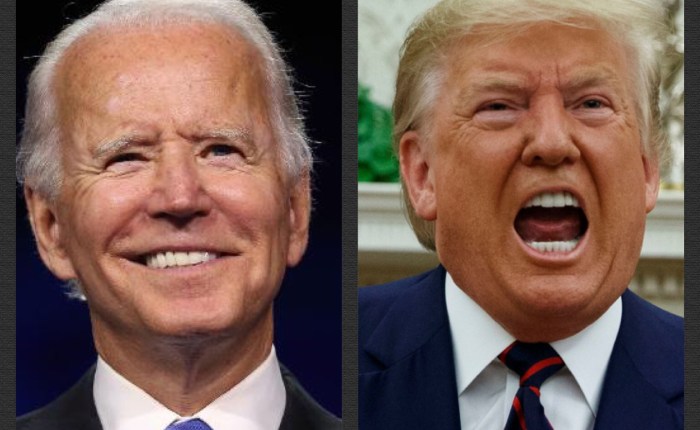
Something has shifted in the perception of Donald J. Trump. Even before the assassination attempt last weekend, there seemed to be a quelling of the crime and dystopian associations being levied his way in the media and online. It is perplexing in a sense, given his loss in the Stormy Daniels’ court case and the the amping up of rhetoric by the Biden campaign (vis a vis Project ’25 and January 6th), but it seems those matters just aren’t registering the way many would hope. Instead what’s emerging is the picture of a strong leader ready to get business done. Is this a genuine re-evaluation? Collective amnesia? Or simply, the more interesting narrative to be pushed forward?

Well, it’s always going to be a mix of the three isn’t it? With regards this re-evaluation, I’d argue some are falsely equating the stronger economy of the late 2010s with his successes, even though these changes take years to manifest. Since everything’s so polarised nowadays however, one can see why confusion would abound when Biden points to the deficit Trump established as an excuse for the poor state of things now. Inflation’s been covered suitably in the last several articles so I won’t delve into it here but basically “perception becomes reality”. So even though it’s unfair, Biden will undoubtedly be associated with the high inflation rates of 2022 where Trump will be with pre-Covid.

Then with the collective amnesia, there’s a tendency to forget the details of the past and look to the present and future with any president. Despite George HW Bush’s success with the Gulf War for example (leading to a 90% approval rating), it didn’t much matter a couple of year later when (again), the economy took priority. So many of the controversies of the Trump presidency have faded into the background; with his handling of Covid almost wilfully dismissed as a “strange anomalous time for everybody,… who knows what was going on then”. January 6th is more surprising. The democrats have relentlessly pursued that in making a case against Trump but to seemingly less effect each year. Maybe it just wasn’t consequential enough for the average voter to care: shocking to be seen but nothing to be concerned about on a day-to-day basis. I would argue this remains a concerning moment, in building on (rather than diminishing) the cult of Trump but alas, it seems things will have to escalate for that to become clear. It’s always a matter of urgency with these things.

Tied into January 6th now is of course the assassination attempt. The shooter’s motives remain ambiguous (registered Republican, otherwise liberal?) but Trump’s supporters will nevertheless have a point of contention when arguing for extremism on both sides; e.g. Biden calling for a “cooldown of rhetoric is rich given the existential threat he keeps pushing with Trump”. And given Trump survived and emerged for that photo op, it’s very difficult for anyone to portray him as anything but a fighter. It fits a narrative so well that it feels like the race is essentially over. His proclamation that “God was on his side” (despite someone dying at the same rally) should ring alarm bells but instead it seems to have struck a chord at the Republican National Convention this week, where a party stands unified. 

Naturally, we can’t talk about the narrative of Trump’s survival then without touching on the decline of Joe Biden. That’s where the media has pivoted most, even with those who traditionally backed him. Until that debate, I still believed Biden had a chance at re-election, had he given a strong performance and exposed Trump for his lies. But… well, let’s just say that last article on the debate has already aged like milk. Biden’s cognitive decline has been spotlighted everywhere from CNN to The Daily Show and he’s highly unlikely to recover. As it stands, he looks to be heading down the Ruth Bader Ginsburg road of leaving the stage well after he should’ve, securing a goal for the other side. With that said… to offer a glimpse of hope for a Democratic victory; the election is not over. And just as things have so dramatically shifted in the last month or so, there’s time for them to make a comeback. But it won’t be with Joe Biden and likely, not Kamala Harris either. Rather, with an open convention next month, they could introduce a new (younger) candidate to stand up and take the cameras away from Trump and offer something fresh and exciting. It would be the “twist” the media would devour; a necessary move in my opinion, for if nothing else, Trump knows how to play the media.

Trump v. Biden: The First Debate (2024 ed.)

Trump v. Biden: The First Debate (2024 ed.)

Back in September 2020, myself and a couple of friends discussed whether or not it was worthwhile for Joe Biden to debate Donald Trump. While the former president and clown prince of crime’s theatrics would surely play off the televised medium more fancifully, we felt it was important for Biden to take a stance in establishing normality again. Now, four year later, things have changed. The once-challenger, now incumbent has added much clout to his nickname “Sleepy Joe”, thanks to a number of recent bewildering public appearances, whilst his opponent has racked up an array of criminal charges, already convicted of one. Neither prospect is exactly gleaming in the eyes of the public, with a recent CBS poll showing Trump leading by just 1%. Will Thursday’s debate change much? Given how polarised the country has gotten, probably not. Nevertheless, I thought it worth exploring anyways for the heck of it.

Firstly, we should acknowledge how two rules, crucially, seem to suit Biden more: that there will be no audience and mics will be muted when the other person is speaking. Lame. On the other hand, there will be no pre-written notes either, which is fine for Trump since many of his best zingers seem to have come out of the moment, particularly in 2016. So if he can produce a couple of new greatest hits (in line with “weak-sauce Jeb” and “I should’ve won [the Emmy]”, then Biden may be in trouble. His material simply isn’t as entertaining. Having said that, we didn’t see as much of that as in 2020, when Trump’s maverick status had started to veer from hilarious if dumb to deranged if occasionally hilarious.

Supposing “the issues” come up in this debate, the candidates will likely spar on inflation, immigration, Roe v. Wade, and funding for Ukraine, among other matters. (Undoubtedly, the culture wars will seep into the mix too, since both sides see each other as an existential treat to the country vis a vis the fight for democracy, lawlessness, the far left, and so on.) Biden will make the case for an economic success story, which he can back up with GDP and unemployment figures. Trump will argue inflation has been a disaster for the country and that people’s wages travelled a lot further four years ago (from the book of Reagan). In tandem with this, he may throw his lot in with the Republicans questioning how much money should be put into defending Ukraine. Then, he may move onto the border. It depends how much time is wasted and what questions are asked (maybe that doesn’t even matter).

Biden will be on the defensive against a range of broad accusations and probable lies. Since perception becomes reality and the visual spectacle matters as much (if not more) than the content of what they’re saying, combatting them one by one may not prove the most effective strategy. Debates have swung one way or another for a variety of reasons, from JFK wearing makeup in 1960 to George HW Bush checking his watch during a question in 1992. Given the narrative that the president’s not “all there”, he needs to be as sharp as possible and to the point without any stammering or lost gazes.

Should Biden choose to hammer on the point of Trump’s multiple legal troubles, he will of course have to answer for his son, Hunter. Many people will of course come to the lazy false equivalency that both candidates are mixed up in corruption and so “it’s a wash”, but to Biden’s credit, he never tried to intervene or stir the legal course of action with regards Hunter’s mishaps. Perhaps that can be used to his advantage. Perhaps he can point to the kind of accountability he and his family take, which Trump has tried to elude and undermine. Perhaps that will work…. Though perhaps not.

One of the main issues Biden has returned to in his case against Trump is the January 6th Capitol Insurrection. This will likely be a talking point which he can exploit by asking Trump if he will concede the election should he lose again. I’m not sure what Trump’s strategy will be here, other than to deflect to other matters and emphasise the bias of the mainstream media against him. He will have to try wiggle out of it somehow and Biden, in turn, will have to keep the spotlight on this. But again, since everything’s so politicised and since three and a half years have passed since, this also may not matter much.

If I were to advise, without any moral culpability, I’d tell Trump to needle the president on the devastating effects of inflation on the average person and crime in America. For Biden, I would advise trying to keep up his 2020 performance, while pushing Trump on January 6th and how disastrous his first term was, thus resulting in him “losing” (emphasise that word) the last time. At this point, I predict a Biden victory in November (if a lesser one than before). While Trump’s percentage lead is not to be dismissed, he has come down in the last couple of months and come election time, he’ll have been raked through the fire a lot more than he has been the last couple of years, in which he’s been uncharacteristically absent from the spotlight. (Relatively speaking.)

American History In The Washington Walrus’ Time: 2016-Present

American History In The Washington Walrus’ Time: 2016-Present

The Washington Walrus has finally hit 100 articles! And in the 7 years since its inception (January 2016; okay, we don’t post regularly), a lot has changed in America. So to commemorate this momentous… moment, we thought it’d be fun to try and summarise and maybe evaluate some of the things that have happened since then. How has the character (or “soul”, as Joe Biden would put it) of this nation changed? What distinguishes today from back then… Well, there’s only one place to start.

2016: The Rise Of Donald Trump

In his final Last Week Tonight segment of that year, John Oliver blew up the cursed numbers themselves in a therapeutic gesture of frustration and disappointment with what seemed like a terrible year, marked by numerous high-profile celebrity deaths (David Bowie, Prince, Alan Rickman, etc) and the election of Donald J. Trump. The latter point marked the most significant shift of this period of time.

While most of us were certain of Hillary Clinton’s victory, in hindsight, the writing was on the wall. Many Americans felt betrayed by the system and disappointed in the not so perceptible “changes” promised by the Obama administration. In truth, Obama had to sweep up the mess of the economic downfall that occurred in 2008 and was largely gridlocked in his domestic agenda, against increasingly combative Republicans. Hillary Clinton, it seemed, was not the answer. Perhaps, no run-of-the-mill Democrat was.

In the 2015-16 Democratic campaign, Bernie Sanders had emerged as an unlikely favourite amongst the youth. An independent with a noble, if not particularly successful track record, he seemed to capture something of the same spirit that led to Trump’s shocking election; a feeling that corruption was ripe is Washington and lobbyists, billionaires, and special interest groups were calling the shots. For quite awhile, he was a great challenge to the Clinton campaign, but ultimately lost. (Many assert that had he succeeded, he might’ve beaten Trump. I’m not exactly convinced he wouldn’t…) This is besides the point however. The point is that a rot had set in and politics would not proceed as usual.

2017-19: “Chaos Is A Ladder”- Littlefinger

Upon releasing her memoir, Becoming, the following year, Michelle Obama wrote that she “stopped smiling” upon listening to Trump’s inaugural address because she simply couldn’t pretend any longer. For those who hoped he would rise above the petty insults and divisive rhetoric of his campaign, it became immediately clear that things were about to get wild. First, there was the ban on people flying in from predominantly Islamic nations. Then, a series of cabinet upheavals. Scandals galore. Then, an insensitive summary of Charlottesville, in which he deemed there were fine people on both sides; both sides being white supremacists and protestors. It was in this moment, Joe Biden apparently decided he should run, in order to “save the soul” of America.

The fact that Trump was so emboldened in his office and able to get away with (seemingly) anything perhaps emboldened the left, in turn. If the battle couldn’t be won in Washington, then perhaps it could be in the culture wars. Indeed, the values of left and right had polarised increasingly throughout the decade with right-wing commentators arguing the left were pushing a politically correct agenda across America, particularly in universities while the left challenged the right’s reticence on civil rights’ issues including gay marriage, trans identification, and more.

The breakthrough of the Harvey Weinstein case in 2017 marked a major cultural shift in the dynamic of women dealing with powerful men. With the colossal expose, a number of issues and transgressions were brought to light, helping to widen the scope of what was and wasn’t acceptable behaviour (or had always been). In the following years, Hollywood would amp up their promotion of diverse works and female-led stories, again sparking the ire of many who felt politics (or liberal politics) had become more important than art and story. At the same time, a parallel was being drawn by critics of the Democratic Party, who felt identity politics and the optics of diversity were becoming ever more prioritised in electoral agendas. This was dismissed by some as generational blindness. “OK boomer” became a de facto response for many.

The battleground for the culture wars had traditionally been fought in news media. By the 2010s though, social media had become the dominant source of information for most. Where misinformation and been brought to light with the 2016 election and the ensuing trials of Facebook, there now also lay the problem of a new level of sensationalism in misleading click bait headlines, yellow journalism, and (often) straight-out lies. Trump’s rise to power was seen as being emblematic of a post-truth world, in which both sides claimed ownership of whatever the “truth” was. Annoying celebrities started confessing their stories as “speaking [their] truths”. There was much cringe-worthiness to be found. Most crucially, it seemed beyond political differences, the left and right had come to hate each other outright.

Let’s not forget the dual disappointments of Game of Thrones season 8 and The Rise of Skywalker (both 2019) either. I’ve nothing to say about them. Just don’t forget.

2020: The Boiling Point

The fact that this year started with an impeachment barely anyone remembers shows how crazy the Trump years had gotten by this point. Somehow, 2020 would become the year all hell broke loose for a couple of reasons. First, the beginning of lockdowns in response to the emergence of Covid-19. Second, the protests and unrest that resulted from the murder of George Floyd in the summer. Both of these factors influenced the culture and politics of the US enormously this year, with the mania perhaps lending some desire for normalcy, found in the wrinkled hands of old Sleepy Joe.

How Covid became a political issue may be question for future historians but by 2020, when everything else had, there was no reason this shouldn’t have been. Indeed, Trump mocked Biden in the debates for “wearing the biggest mask” before getting Covid himself. Beyond his pantomime, it was drawn as a debate on the nature of civil liberties for many; with some arguing against big government limiting their freedom through mandated governmental worker vaccines and lockdowns. Others felt that these opponents were questioning science itself in the name of partisanship or wilful ignorance.

As regards the second factor, the Black Lives Matter movement had become increasingly visible throughout the 2010s since social media allowed for the sharing and exposure of police brutality. With the shocking violence and boiling point of George Floyd’s death, the truth was driven home once again that black lives were treated as second class in America. Critical Race Theory became more prominent in the years that followed, with a wider net cast for those learning of the systemic oppression caused by economic and power models in US history. And while some progress had been made since the 1992 riots, Americans were reminded of the lived realities of many Black Americans. Unfortunately, this lesson has needed repeating throughout history.

2021-Present: Conflict At Home & Abroad

2021 started off with a little hiccup at the Capitol. A misunderstanding or something. Then a new leader was sworn in. So… Joe Biden’s presidency has and hasn’t marked a return to normalcy. I, for one, no longer feel the need to google the president’s name every day to see what wackiness he’s gotten up to. On the other hand, America remains deeply divided and though Trump is presently indicted, I don’t think his loss in 2024 is guaranteed. The same seeds of discontent fester and not even under the surface. To many, these legal proceedings are a “witch hunt”. Increasingly the idea of a “national divorce” seems pushed to the forefront, even if in political jest.

The Biden presidency (post Covid), outside this sphere, has chiefly been defined by the Ukraine-Russia war and inflation. The expansion of NATO and America’s involvement in this conflict may define the coming years, if no resolution materialises soon. As Trump had been (shall we say) cozy with Putin, things would likely change should he succeed in getting a second term. For most Americans however, economic burdens will distinguish this decade (even more so) than the last. To go back to where we began, it seems Bernie Sander’s concerns have only become more pertinent and fully understood with the passing years. As billionaires control social media and politicians fail to close the left-right divide, the country lies in a precarious position.

The Washington Walrus Thanks You…

Thanks to all for reading this or any of the articles we’ve put out in the last 7 years. It’s been an interesting blog to attend to, even if not attended to regularly. While it started out as an exercise in writing about current politics and American history, it transformed to something that could address all sorts of cultural, social, and even entertainment-based issues. No subject’s too light or heavy to cover, so long as something lies beneath the surface (e.g. Rotten Tomatoes’ scoring not accurately reflecting viewers’ interests and appreciation of art).

Donald Trump: The Greatest Sh**s

Donald Trump: The Greatest Sh**s

With just over a week to go until the official start of a new administration, we thought it would be a good time to reflect on the accomplishments of the incumbent, as we fondly did for Barrack Obama four years ago. Now, Donald J. Trump hasn’t exactly been everyone’s cup of tea for various reason including political bribery, racism, sexism, and an innate ineptness but in the tradition of a dignified transition, it’s only fair that we give him his dues.

Of course, upon completion of the above paragraph, we immediately remembered just how terrible a president and person this man was (and still is). So in the more appropriate spirit of actually qualifying the times we live in, we thought we’d instead list the ten worst things he’s done or affected in his tenure. There’s a lot so apologies if we missed out on anything. And while these are indeed numbered, we’re not necessarily ranking them.

1. The Muslim Ban

Trump ordered a ban on flights from seven Islamic majority nations straight away upon taking office. Having touted on the campaign trail that the Obama administration hadn’t called out “radical Islam” for what it was, he wanted to make an impression quickly on this issue. He faced backlash for this decision but handled it in good grace, firing the Attorney General Sally Yates, when she refused to uphold it on some vague, liberal human rights’ basis.

2. Withdrawal From The Paris Climate Agreement

Nobody was exactly surprised when this came to pass in June 2017 but it is worth reminding ourselves that Climate Change is still very much the most serious threat our species face. So, this wasn’t a step in the right direction.

3. Law & Order Rhetoric

Trump was endorsed by the KKK in 2016. This was something he really should have disassociated himself from but instead following Charlottesville in 2017, he remarked that there were “very fine people” on both sides. This ultimately made Joe Biden run for president, which thankfully worked out.

Trump’s rhetoric has, without a doubt, seriously enflamed the racial divide in America. Following the George Floyd protests of last year, he perhaps could have taken a stand and tried to heal a broken nation, as leaders should do. Instead, he resolved to run for re-election on a law and order basis, firmly signalling where he stood on civil rights.

4. Separation Of Migrant Children From Parents

Trump’s Great Wall agenda never took off in the way he promised, despite this being the centrepiece of his campaign in 2016. Nevertheless, keeping with his “no BS” image, he still managed to preside over the shameful separation of children from their parents at the border. The image of cages and lives permanently affected by the deluded sense of paranoia associated with immigration will remain intangible with his legacy.

5. Russia/Ukraine & General Undermining of Democracy

Although the Mueller Report didn’t result in the firework display we all hoped it would, it still proved what we knew all along; that there was a connection between the Trump campaign and Russian interference in the 2016 election. Whether he was personally aware of it or not, Trump made every effort to contain this story, belittling the dignity of the investigative process at every step, even going so far as to fire the FBI director, James Comey.

Seeking to consolidate his preposterous image, he went too far in 2019, by trying to get Ukraine in on a deal to dig up dirt on Biden. Anyways, upon that leaking, the Democrats (who took power of the House in 2018) finally had the concrete case they needed to pursue impeachment. It may not have removed Trump from office but it gave him the black mark previously only posted on two other presidents’ folders.

6. Nepotism & Other Terrible Hires

Has an administration ever had so much turnover? From Sean Spicer to Anthony Scaramucci, nobody was able to keep their job in this White House. Even Steve Bannon, one of the “brilliant” architects of his 2016 campaign was cast aside. Trump has put the blame on their own individual incompetences and loyalty but really the common denominator is the boss who appointed them.

These people were also dumped for running afoul the special counsels, that are Trump’s family members (particularly Ivanka and Jared Kushner). One of the most obvious signs your democracy’s in the toilet is when your president starts appointing family members to privileged positions.

7. The Longest Shutdown

Upon retaking the House in the midterm elections, one of the first things in order was for the Democrats and the Trump Administration to agree on a budget. What resulted was a prolonged he-said, she-said situation with both sides refusing to budge, a slurry of Trump tweets, and the longest shutdown in US history, affecting pay checks for many from December 2018 trough January 2019. Again, in light of Trump’s need to appear mighty and triumphant, others had to suffer.

8. Appointments To The Supreme Court

Trump had the privilege of appointing three separate judges to the Supreme Court and on an ironic basis too. The first was Neil Gorsuch, who came about because the Republicans felt it was unfair for Obama to appoint a new judge in an election year. The third was Amy Coney Barrett, who was quickly shoehorned in a few weeks out from election.

The second was Brett Kavanaugh, who was trialled over accusations of sexual misconduct by Christine Blasey Ford in 2018. After a (frankly) crazy testimony in which he defended himself, he was sworn in, but with no end to ridicule over his temperament. Trump’s picks have come under fire for just how extremely right-wing they are and although he will leave office, the impact of his decisions on the Supreme Court will unfortunately reside for decades to come.

9. Handling of Corona

Both George W. Bush and Barack Obama recognised the potential threat of a pandemic in their time. Obama had the framework in place to deal with one should it occur. It’s a good thing Trump kept it in place, right?

Perhaps the worst thing Trump has done in mishandling the Coronavirus is in making the restrictions a matter of political allegiance. His followers don’t wear masks and they congregate in large crowds. The other side do the opposite because they don’t respect freedom or something to that stupid effect.

In case that’s not enough to disqualify him as a medical expert however, let’s remember that he withdrew the US from the World Health Organisation, advised people to drink bleach, and got the virus, himself.

10. Inciting A Riot

It should be clear by now that Trump really isn’t all that keen on law and order but if it isn’t, just last week he decided to go out with a flare, by suggesting his minions march on the Capitol. In what amounted to the most bizarre, atrocious, and frightening moment in his presidency, the historic building and symbol of democracy in America was basically besieged, resulting in the death of four people.

Since then, he’s finally been suspended from social media, members of his cabinet have resigned, and Nancy Pelosi has called for Mike Pence to invoke the 25th Amendment or in lieu, a second impeachment. With so little time left, I suspect neither will happen but I’d be happy to be proven wrong.

Dishonourable Mentions

It was pretty clear upon taking office that Trump would become the worst US president of all time. We have qualms with others but never has a president been so inept on so many levels, with so much disdain for democracy. These have been just a few selections of his worst moments and tendencies however. Feel free to comment your own, as we provide a few more dishonourable additions:

  • Inflaming tensions w/ Iran
  • Buddying up to Putin
  • Being “played” by Kim Jong Un
  • Various tweets
  • Going after Obamacare

The Battle of the Democrats Begins

The Battle of the Democrats Begins

17 months yet remain till the deciding vote is cast for the next president of the United States, if indeed, there is one (and if there is indeed still a democracy). Just about every key Democrat figure you’ve heard of has their thrown their name into the ring with over 20 candidates now declared. With this wild assembly threatening the already weakened image of the excuse-me-sir-is-this-gluten-free party, a plan is now more important than ever. This is why there will be two Democratic debates held this week… yes, two… and with 10 candidates apiece. Will they resolve some differences and set a standard goal with which to hammer the incumbent? Or will they sully the already murky waters of their objectives and philosophies? Let’s investigate.

Debate #1 (Wednesday, 26 June)

Candidates: Elizabeth Warren; Beto O’ Rourke; Cory Booker; Amy Klobuchar; John Delaney; Tulsi Gabbard; Julian Castro; Tim Ryan; Bill de Blasio; Jay Inslee

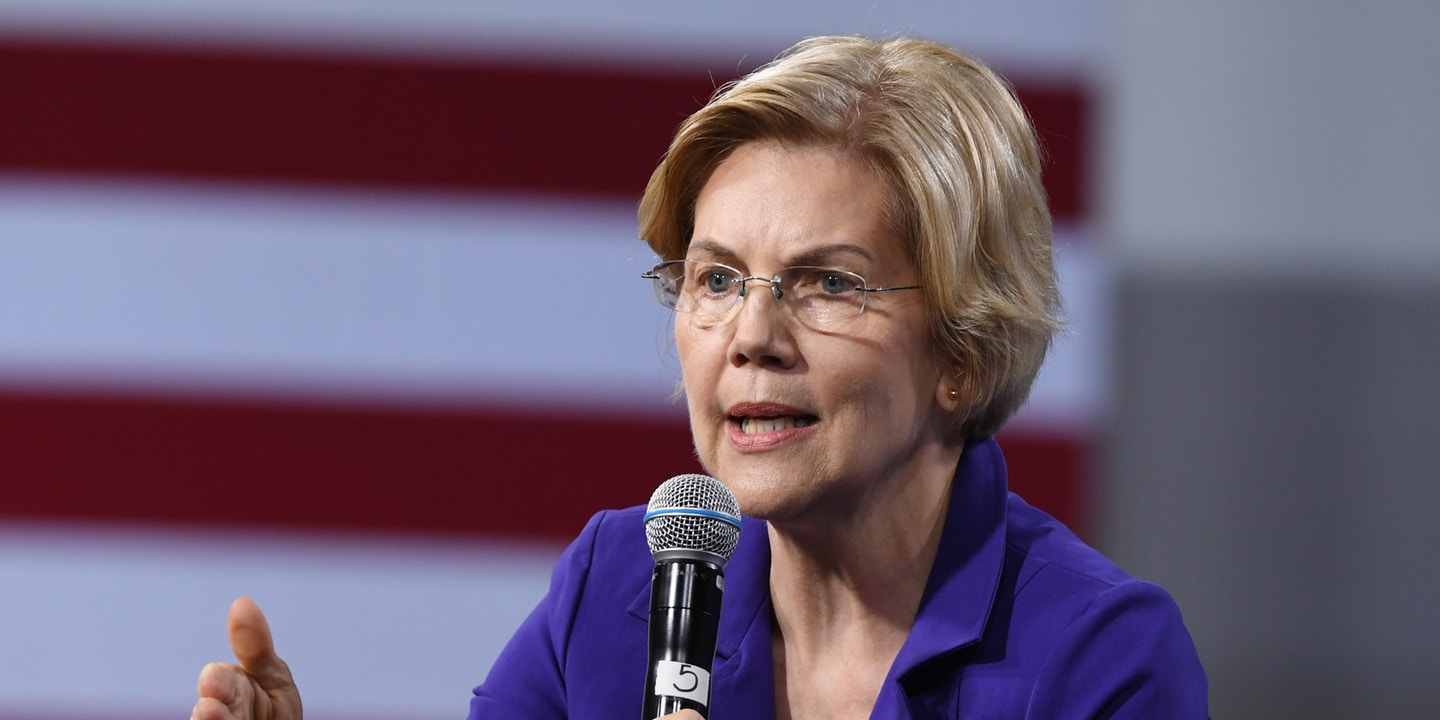
Essentially the B-side to the following night’s debate, this is Warren’s chance to shine among a field of relative obscurities (on the national stage). She is seen as a far-left choice by some and too economically-minded by others but her rising stardom coupled with her no-nonsense resolve makes her an inviting alternative to Sanders, whilst also carrying the torch of those determined to see their first female president. In my opinion, she could make for an excellent president (polling behind Biden and Sanders) but her anti-Wall Street sentiments and lack of (let’s say) wackiness gives her a challenge of image for the undecided. Unfortunately, I could see Trump painting her as a weak-minded loopy socialist of some sort.

GettyImages-1145519920-1561060547-e1561060634447

As for the others, I don’t want to exactly disparage or dismiss them but when your strongest challenger shoots for Dukakis-like photo ops (see below) and just lost a Senatorial race to slimy Ted Cruz, it’s difficult to see them going far. Still, Beto O’Rourke is an affable candidate, in many people’s minds, and his youthful image could provide a much desired contrast to the dinosaurs dominating American politics today.

orourkebetohaircut_051519fb
Like Hugh Grant after an emotional confession in the rain

Debate #2 (Thursday, 27 June)

Candidates: Marianna Williamson; John Hickenlooper; Andrew Yang; Pete Buttigieg; Joe Biden; Bernie Sanders; Kamala Harris; Kirsten Gillibrand; Michael Bennett; Eric Swalwell

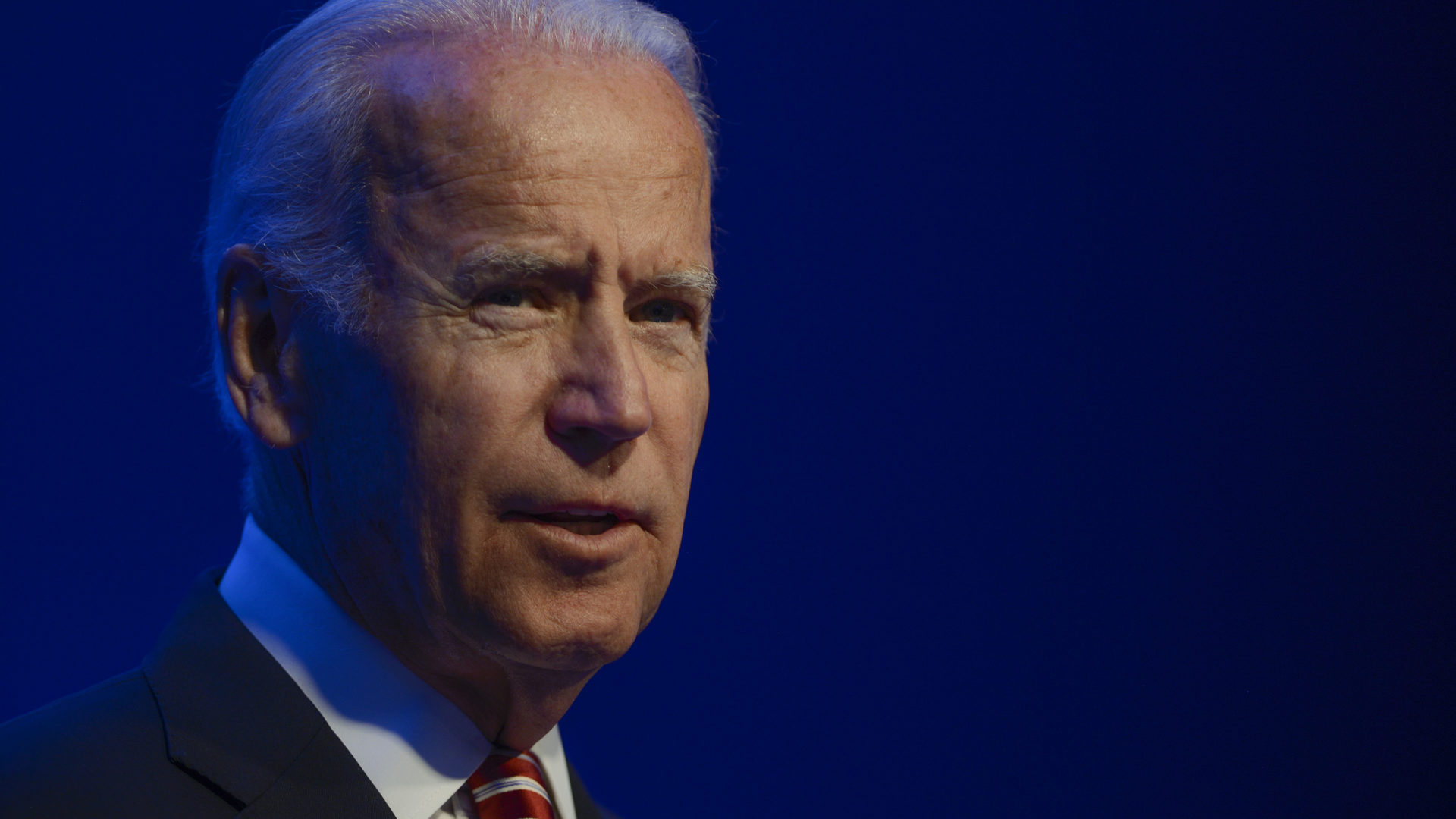
The media’s attention will undoubtedly be placed on drawing distinctions between Biden and Sanders; the two front-runners wrestling for the soul of the party. Will the more centrist slick politics of the former VP fare well or will the should-have-been nominated choice of the left topple him? For many, it’s essentially Clinton-vs.-Sanders part two. Biden, however, is no Clinton. Yes, he is not as liberal as Sanders or Warren but he’s also not as rehearsed and guarded as the former Secretary of State. Biden’s appeal lies in his compassion and relatability; something someone who’s been as involved as he has (and for as long as he has) should not have. People like him. He could probably hold his own against Trump the way others might not. His main problem, in these debates and the primaries, will be in overcoming controversies relating to past decisions (certain votes, Anita Hill) and behavior (the whole massaging people’s shoulders thing) but these are essentially overblown by the woke no-context trolls of the internet. Let’s remember, before we injure another promising candidate, that people’s attitudes were different in the ’80s and ’90s and that whatever any of these people have said simply does not compare to what the current president is actually doing.

joe-biden_1-1920x1080

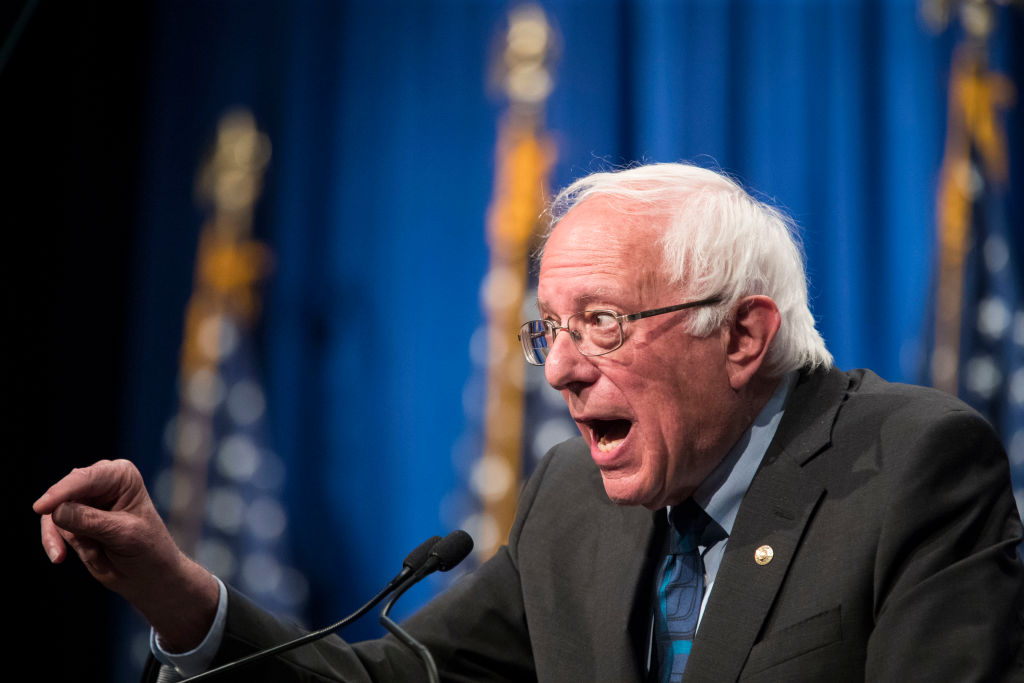
Enough about Joe though. Let’s move onto Sanders. He was my own preferred candidate back in 2016 and a part of me would love to see him become the next president but honestly (and sorry), some of the magic has worn off. It may be the fact that the democratic base has become more liberal (thanks in large part to himself), making him just another voice among the throngs; it may be that some of his ideas (free tuition) just don’t seem practically attainable; it may even be that I’ve just heard his message too often- but the level of excitement surrounding his run just isn’t what it felt like four years ago. Perhaps, I’ve become jaded. I don’t know. The important thing to remember is, and you can find this in the polls, that he stands a very good shot. Some liberals need to be reminded that although yes, he is another white old man, he has been the most committed champion of their causes (something his team keeps prodding about on social media). His fans, then, also need to be reminded that it does no good to act like a whiny little bitch and refuse to support whoever beats him. Let’s also not make age an issue. Biden’s one year younger than him and Trump is 73.

Bernie Sanders Delivers Policy Address On Democratic Socialism In Washington DC

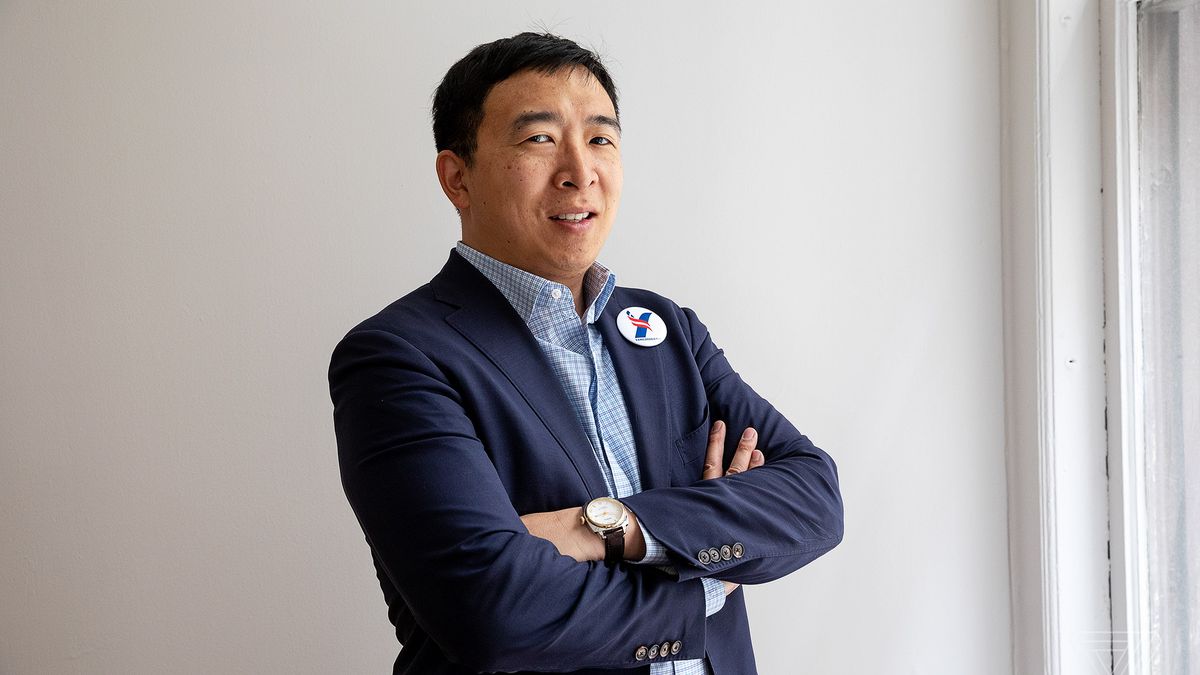
Besides those two, some of these candidates are intriguing, if not yet convincing. Pete Buttigieg, for instance, is a 37-year old gay/veteran/liberal mayor, who’s drawn a lot of attention for his eloquence. He sounds smart and he can’t be pinned down to one specific picture; almost the perfect contrast to Trump. The problem is nobody really knows what he’s all about. Remember kids, identity politics isn’t everything. Then there’s Kamala Harris, one of the earliest candidates to declare. A former prosecutor, she’s a tough one, who for all her law experiences, gains all the more credibility in her attacks against Trump. Andrew Yang has meanwhile discerned himself from the rest, putting ideology aside, to focus on universal basic income and the decreasing number of jobs available in America. This seems common sense but pundits and commentators sometimes forget how crucial economic matters are to voters’ minds. This is worrying, of course, because the economy is actually doing well, thanks to Obama, but credited by Trump to Trump. Democrats can’t let the president seize this victory.

akrales_190411_3346_0152.0

And lastly…

It’s early days yet. Although I’ve only focused on a few candidates, everyone has a chance to shine up on stage. Nothing’s guaranteed. Someone could, for instance, fart and break down right there and then. Someone could do a George Bush and run two words into the one. Someone could do an Al Gore and look smarmy for just a moment too long. Anything’s possible.

In some ways, it’s ridiculous that these debates are happening as early as they are and in some ways, it’s a good thing. The Democratic party has not tended to unify as solidly as the Republicans have in the past. After all, look how quickly everyone abandoned their principles and got behind Trump in 2016? Despicable but remarkable. The democrats need to stop shooting their own. If Biden’s a little too centrist for you, so what? He’s a lot better for your country than Trump is. Is Warren not exciting enough? It doesn’t matter. She’ll get the job done well. Democrats failed to resolve the conflict between their own ideals and the bigger picture back in 2016 again. If they fail this time, then America will truly be granted the president it deserves.

2020 Looms Already… Tips For the Democrats

2020 Looms Already… Tips For the Democrats

Alas, the 2020 election’s already rearing its ugly head even though there’s still 19 months till it actually happens. With candidates like Kamala Harris and Elizabeth Warren emerging and with the stakes higher than ever, I thought this would be a good opportunity to provide some necessary nuggets of advice because… well, let’s face it- the Democrats kind of… suck. That is, not to say, that their candidates are bad or that their ideas lack gravitas or sense; they just don’t know how to sell themselves or stay the course. So, please take heed because nothing’s guaranteed.

  1. Don’t turn on one another: Bernie Sanders isn’t the enemy, nor is any other candidate who takes the steam away from the party’s star darling. In 1980, the Democrats’ chances were greatly skewered by Senator Ted Kennedy’s challenge against incumbent Jimmy Carter. In 2016, Hillary and Bernie supporters clawed and gnawed at each other to the point that many of Bernie’s ranks became Trump voters while many of Hillary’s bemoaned the sheer gall of a challenge .
  2. Stand by your liberal values: The latest stream of Democrats in the House suggests the Democratic party is moving to the left. Agreeing on a final platform in the summer of 2020 will undoubtedly be a messy affair but at this juncture, there’s no sense in compromising to meet the Republican base’s standards. Trump’s damaging the party in spectacular ways and if the Democrats present a centrist vision, they may lose the value of contrast.
  3. At the same time, don’t be the wrong kind of liberal: The issues are what matters, not the identity politics gripping today’s culture. Yes, they shouldn’t compromise on their values but there’s no need to alienate moderates or even potential conservative turn-abouts with condescending notions of political correctness. Don’t abide racism, sexism, or any other form of prejudice. Yes, these things matter. With that said, sometimes a joke is a joke. Don’t be the kind of candidate who polices language and how “woke” people are with the thin-moustachiod zeal of the PC Principal.pc principal
  4. Attempt a 50-state strategy: Yes, we all know the electoral college system’s stupid but it’s not likely to go away anytime soon, is it? So, do the right thing and engage as many Americans as possible, even if it means a trip to a blood red state. A personal touch really makes a difference. Trump had a horrible platform in 2016 but he didn’t just bring it to Iowa.583c8f6bba6eb67d058b66d9-1136-568
  5. Keep an eye on Social Media: With or without Russian hackers, people flick by a large number of sensationalist headlines every day on Facebook, YouTube, and Twitter. The more and more you see a story or a theme repeated, the more likely you are to believe it or at least, give it some pause for thought. In today’s culture, it’s become very difficult to separate the truth from the bullshit, so if the Republicans are going to play dirty, the Democrats either a) need to as well or b) find an effective way to convey just how wrong these articles/the Republicans’ assertions are. As I write this, I understand that this is of course, a lot easier said than done.
  6. Engage your opponents: This is to further point 3 above; be prepared and willing to engage with those who don’t hold your opinion on say, abortion, or gun control. Even if you strongly disagree with someone, you can still have a conversation with them. You might feel their’s is perhaps a dangerous opinion and that they should not be given a platform (as has happened on university campuses), considering the scores of others who have never had their voice heard. I grant that that is a fair and even practical approach at first glance. When you try to impede someone’s free speech however, you often just strengthen their resolve and help marshal others to their cause. You even appear weak and afraid that perhaps their bluster pertains more nuance and scope than you first imagined. The Republicans, I believe, are fundamentally wrong on a number of issues but that does not make them villains who we must banish to the darkness.
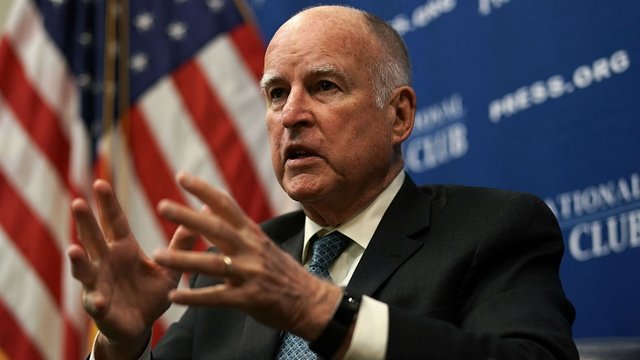
  7. Don’t make age an issue: Chances are rife that a lot of these candidates are going to be in their 60s and 70s. They could easily just keel over and die at any moment, right? Do they really represent the youth? Sure, not every issue affects every age group equally and yes, people die more so later on in age but a) these candidates do preach, by and large, to concerns affecting most Americans (income inequality, climate change, etc.) and b) some of the best Democratic senators and representatives have served well on in life (take Jerry Brown’s work as Governor of California for example or two of the most popular prospective candidates, Sanders and Biden).

    brownjerry_041718
    Jerry Brown, old as time, but a sound Governor (left office earlier this month).
  8. Don’t be passive, inspire: Above, I wrote about how sensationalist articles can cloud people’s better judgment on Social Media. Sometimes, sensationalism is needed to convey a point effectively though. Whoever emerges as the Democratic nominee will need  to take Trump to task with strong, vitriolic language. There is just cause because this is a ridiculous man and a lame-duck, politician type will not be successful in his arena. Why not even take a stab at being a great orator? One who can inspire the way Obama or JFK did?
  9. And lastly, be yourself: There’s probably a good point to be made here, concerning Hillary’s robotic approach but I’m just going to take this opportunity to wish all the candidates good luck. You may not run for president again, after all. So reach for the stars, show ’em what you got, and all that!

Undoubtedly, there’s a lot more these candidates will need to be mindful of but as I’ve already said, it’s a long way away yet. Anything at this point is mere speculation. What we do know for sure if that Elizabeth Warren is seeking to run, Kamala Harris is running, and a number of others are considering it. Like in 1976, it’s a fairly open field and anyone’s guesses are as good (if not better) than mine. I expect we will have at least ten noteworthy candidates by June (perhaps Beto O’ Rourke and Cory Booker) and at least five options. We mustn’t, of course, make the mistake of 2016 and assume anything’s for sure however. Biden’s not 100% definite. Nor is Sanders. Or anyone else. And there’s still a lot of work to be done by the House to keep Trump at bay.