Lessons for the Left

Lessons for the Left

One week ago, the Democrats were handed an unambiguous defeat. A royal smackdown. Not just in the presidential race (across the electoral college and popular vote), but in the house and senate too. While many have been quick to suddenly attain 20-20 hindsight, it remains important for the Democrats to actually undergo proper penance, learn some lessons, and knuckle down for some hard work. 

Lesson 1: Democratic Process Matters

Up until a month ago, I thought Kamala might just pull through. Given the game-changing nature of her succession to the ticket, it felt like that wave of momentum might hold on (as discussed in our last article). Unfortunately, it crashed a little early from the shore and became a somewhat hollow experiment, in the wake of media appearances and interviews on her part, contrasted with a series of PR grabs for Trump (the McDonald’s gig and “garbage people” alliance). Ultimately, it became apparent that she just wasn’t the best candidate for the job (on the Democrats’ side). This leads us to a crucial point: the gulf in credibility between this party’s supposed defence of democratic values and their practice in nominating leaders.

In 2015-16, Bernie Sanders was one of the most exciting and promising voices of the left. Many (including myself) felt he would’ve done better than Hillary against Trump. Of course, history went one way and much of the older generation and establishment didn’t agree. They weren’t exactly honest in their tactics however, with the DNC swaying things in favour of Hillary. But okay, that might have been excused… if it were not for the race of 2020 coalescing around Joe Biden, seemingly just to speed things up. (I will never forget Pete Buttigieg dropping out after just his fourth primary, despite winning the first major one or Bernie’s shots being dashed by the onset of the pandemic; even if it understandably changed matters.) The point of the matter is that the party’s leaders were and have been directing the flow of this so-called democratic process.

Had Joe Biden withdrawn earlier (as he should have), there might’ve been time for a full primary season and open convention. Instead, it was purported that Biden was totally fine and capable of running again. When it became clear (during the debate) that he wasn’t, the Democrats began to panic. This meant taking quick action and… well, we’ve explored this all too recently. I’m not saying there was any easy path to be taken here. An open convention at this point probably would’ve been messy too but in the name of saving democracy, the Democrats didn’t exactly follow through with the public’s wishes. (Kamala’s approval ratings were pretty low before her big boost.) It’s a simple lesson but an important one for them to remember: practice what you preach. Let the cream rise to the top in 2028, without meddling.

Lesson 2: Retire The Vanguard

This will be brief. It’s time for a new generation of leadership. Joe Biden did well in 2020 but was never considered by anyone to be a serious contender for a two-term presidency. In those four years, the party should’ve been looking for their next Barack Obama… okay, that’s a little optimistic but they should’ve been looking for their next Bill Clinton or someone who could actually inspire voters. Instead, they’ve plodded along with Nancy Pelosi (retired from her speaker role but) retaining enormous influence. (She’s also just been elected for another term at age 84 by the way). I’m not saying these boomers have done a bad job or are unable to continue their roles in some capacity but they’ve dominated the political sphere of influence since the 90s at this point. It’s a different world now and it’s time for new faces.

Lesson 3: Re-Connect With The Working Class

Why the party of big business, led by a billionaire, has managed to secure all the swing states and won the allegiance of the working class should be mystifying. Economically speaking, the Democrats have been much better for the low-wage earner and yet as Bernie Sanders put it, “they feel abandoned” and have thus abandoned their party. Some of this was inevitable with inflation shaping the election. Tragically though, Joe Biden and Kamala Harris just never managed to find a way to assure the public that things would improve. To start with, Biden stated (albeit accurately) that the economy was in good shape, with inflation rates coming down, when he should have empathised with people struggling with grocery prices, which never came down or matched the average wage hike. When Kamala came to acknowledge this struggle, it was all too late. Trump had swept up the disenfranchised who believed his rule had contributed to a more prosperous times (with Obama missing out on credit).

This was always going to be Kamala’s greatest struggle (besides interviews). She had relatively little time to make up the ground Trump had in the swing states. But let’s face it: he was also just better at getting out there.

Lesson 4: Embrace New Media

Trump made great waves by appearing on long-form podcasts, such as Theo Von’s and Joe Rogan’s. This chiefly helped to consolidate the male vote but also showed he had nothing to hide and could hold up in a more relaxed, conversational environment. Similar to Hillary in 2016, Kamala played it too safe by (at first) limiting her media appearances and then by not following Trump in this vein.

In 2008, Obama became the first presidential candidate to really understand the internet and social media, taking advantage of it to propel himself to success. Well, social media has changed quite a bit since then and people are a lot more attuned to being “sold” something. Podcasts like these don’t rely on cheap chat show bits or celebrity cameos to entice someone. Apparently with the coaching aid of his son, Barron, Trump was able to tap into an aspect of online culture ignored previously in these election cycles. Given the uselessness of big news’ media outlets with polls, it might be worth re-examining where the pulse of this nation lies. (And yes, also stop with the celebrity endorsements. Per this point and the lesson above, they don’t connect you with the people.)

Lesson 5: Control the Outrage

The first few weeks of Trump’s first term were exhausting with multiple decrees garnering fresh cries of outrage from the Democrats and media. Clearly the controversies didn’t matter that much in the end. The simple thing about Trump that the Democrats have never been fully able to appreciate is that he’s a disruptor. Therein lies his appeal. He is a kind of antidote to traditional politics and corruption; albeit not a man who plays by the book.

Naturally, there’s going to be a lot to be outraged with over the next four years. Not everything will necessitate a battle. Two impeachments and multiple court cases didn’t eliminate Trump so it’ll be important to tackle him in a different way. Granted, I don’t know what that way is but since the Democrats have so far been playing a losing strategy, it’s worth considering what’s worth their energy.

Conclusion

As Jon Stewart stated in his latest episode of The Daily Show a Democratic comeback is plausible. Reagan won every state but one in 1984 and Nixon trounced McGovern in 1972. The senate and house will always swing back and forth. Indeed, the history of the electorate is basically a game of ping-pong. As George HW Bush’s team put it, in analysing his defeat in 1992, “change is the only constant of politics”. So on and so forth. There’s hope there but to be frank, for at least a few years, the Democrats will have to contend with Republican power, will, and legislation; via the presidency, the house, the senate, the majority of governors, and the Supreme Court. So… good luck and take what you will from those lessons.
The Last Stretch for the Kamala Wave

The Last Stretch for the Kamala Wave

With less than a month now to the election, the forecast remains murky. Depending which poll you look at, either candidate could be nabbing it. Some say Kamala Harris has a 3% lead. Others say Trump’s support is underestimated. Many argue it will simply come down to the battleground states (particular Pennsylvania). Yada yada.

It’s become so difficult to predict a US election accurately for a number of reasons; top of my list being the polarised nature of the media. It thrives on biases and in recent years has escalated to caricature-like proportions. Indeed, till CNN’s (still spliced) “60-minute” feature on the Vice President, I felt like I was witnessing the most softball interviews ever, bordering on propaganda. That is not to say Trump’s not got his own echo chamber; indeed, he would not exist if not for them. But the liberals are getting their hands dirty too and despite my preference for her eventual victory, it is worth critiquing the “Kamala Wave”. If just for pure honesty’s sake.

First, there’s an element of contrivance. Not wholly, but in comparison to say… Obama’s rise in 2008, it feels like the carpet has been rolled out for her. If we cast our minds back to the 2020 election, Kamala had an early surge in popularity before dropping off after the early debates. Months later, she became Biden’s running mate, on the basis / accusations of picking (pandering with) a female VP. The ticket won and she largely remained in the background, with some coverage (then criticism) given to her handling of immigration and the border. Indeed, as Biden’s advancing years began to show, many wondered whether he was being stubborn or doing what was necessary, in refusing to step down and hand the baton over to her. Kamala’s approval ratings weren’t great, even at the start of this year. (Even by June, really.) To many, Biden still seemed the more sensible prospect. Then that debate happened and the emergency klaxons started ringing. Sleepy Joe had to go.

Now the story being written is that Joe Biden’s decision to drop out of the race in July 2024 was a “courageous” and “selfless” one, bordering on George Washington-like sacrifice for the country. This has been one of the most embarrassing declarations on chat shows and interviews with Kamala Harris (if not necessarily by her). Let’s not forget he insisted on staying the course even after that debate, quite adamantly, until people like Nancy Pelosi “may or may not have” held discussions with him. To be fair, he may have eventually concluded what others had (with respect to his chances) but let’s face it, the Democrats played this one beautifully (at least from the point on of assuring he couldn’t win). They ousted him and got Kamala in at the perfect moment.

Biden endorsed Kamala and everyone promptly forgot he was president. Then a range of support from high-profile figures and past presidents came in. Any notions of an open-convention were quickly swept aside in the fervour of this tide. And just as Trump’s very recent assassination attempt faded quickly into the background, a star was born. It was Kamala Harris’ time to shine and in the weeks that followed, there weren’t many questions to darken the mood. 

Admittedly, there’s some sourness to this coverage; necessary but not indicative of the full picture. While Kamala is no Obama, there is some genuine encouragement to be found in the camps of supporters who believe she could be their first female president, without that encroaching as the only quality she brings to the table. She’s not a great orator or interviewee but she’s also not clueless, as some of her detractors would put it. She’s relatively engaged and relatable (i.e. no Hillary Clinton), given the right environment (see her interview with Howard Stern). She’s also able to handle Trump, as evidenced by the first (and probably only) debate they had. And she made a good choice in running mate, in Tim Walz. Most importantly for the Democrats and her supporters, she’s rode this wave to maximum potential. Unfortunately, October may prove a different kettle of fish.

Kamala’s opponents believe her greatest weakness lies in facing the media (via tough interviews). While Trump reels off a litany of bizarre anecdotes and conjectures, he comes across… stridently? Or at least confident. Kamala has been somewhat meandering, in her rare appearances.Part of the problem stems from her promotion of an image of change and not repeating the past. Her calls for action on any issue are met with derisive snorts that “she and Biden” could act right now. Of course, neither candidate’s alien to the White House but as the closing weeks clock in, Kamala will have to make sure she’s distinguished just enough from the (actually still) president. With the media’s always-fervent dreams of an “October surprise” (e.g. Comey reopening the investigation to Hillary’s emails last minute), their general flair for dramatics, and the last rounds of public and world events in concurrence, the narrative could be spun again. For while riding the Kamala Wave has proved fruitful for many so far, boredom can quickly set in. And I’m afraid that’s the level we’re at.

The Re-Framing of Donald Trump

Something has shifted in the perception of Donald J. Trump. Even before the assassination attempt last weekend, there seemed to be a quelling of the crime and dystopian associations being levied his way in the media and online. It is perplexing in a sense, given his loss in the Stormy Daniels’ court case and the the amping up of rhetoric by the Biden campaign (vis a vis Project ’25 and January 6th), but it seems those matters just aren’t registering the way many would hope. Instead what’s emerging is the picture of a strong leader ready to get business done. Is this a genuine re-evaluation? Collective amnesia? Or simply, the more interesting narrative to be pushed forward?

Well, it’s always going to be a mix of the three isn’t it? With regards this re-evaluation, I’d argue some are falsely equating the stronger economy of the late 2010s with his successes, even though these changes take years to manifest. Since everything’s so polarised nowadays however, one can see why confusion would abound when Biden points to the deficit Trump established as an excuse for the poor state of things now. Inflation’s been covered suitably in the last several articles so I won’t delve into it here but basically “perception becomes reality”. So even though it’s unfair, Biden will undoubtedly be associated with the high inflation rates of 2022 where Trump will be with pre-Covid.

Then with the collective amnesia, there’s a tendency to forget the details of the past and look to the present and future with any president. Despite George HW Bush’s success with the Gulf War for example (leading to a 90% approval rating), it didn’t much matter a couple of year later when (again), the economy took priority. So many of the controversies of the Trump presidency have faded into the background; with his handling of Covid almost wilfully dismissed as a “strange anomalous time for everybody,… who knows what was going on then”. January 6th is more surprising. The democrats have relentlessly pursued that in making a case against Trump but to seemingly less effect each year. Maybe it just wasn’t consequential enough for the average voter to care: shocking to be seen but nothing to be concerned about on a day-to-day basis. I would argue this remains a concerning moment, in building on (rather than diminishing) the cult of Trump but alas, it seems things will have to escalate for that to become clear. It’s always a matter of urgency with these things.

Tied into January 6th now is of course the assassination attempt. The shooter’s motives remain ambiguous (registered Republican, otherwise liberal?) but Trump’s supporters will nevertheless have a point of contention when arguing for extremism on both sides; e.g. Biden calling for a “cooldown of rhetoric is rich given the existential threat he keeps pushing with Trump”. And given Trump survived and emerged for that photo op, it’s very difficult for anyone to portray him as anything but a fighter. It fits a narrative so well that it feels like the race is essentially over. His proclamation that “God was on his side” (despite someone dying at the same rally) should ring alarm bells but instead it seems to have struck a chord at the Republican National Convention this week, where a party stands unified. 

Naturally, we can’t talk about the narrative of Trump’s survival then without touching on the decline of Joe Biden. That’s where the media has pivoted most, even with those who traditionally backed him. Until that debate, I still believed Biden had a chance at re-election, had he given a strong performance and exposed Trump for his lies. But… well, let’s just say that last article on the debate has already aged like milk. Biden’s cognitive decline has been spotlighted everywhere from CNN to The Daily Show and he’s highly unlikely to recover. As it stands, he looks to be heading down the Ruth Bader Ginsburg road of leaving the stage well after he should’ve, securing a goal for the other side. With that said… to offer a glimpse of hope for a Democratic victory; the election is not over. And just as things have so dramatically shifted in the last month or so, there’s time for them to make a comeback. But it won’t be with Joe Biden and likely, not Kamala Harris either. Rather, with an open convention next month, they could introduce a new (younger) candidate to stand up and take the cameras away from Trump and offer something fresh and exciting. It would be the “twist” the media would devour; a necessary move in my opinion, for if nothing else, Trump knows how to play the media.

One Year Out… Does Biden Still Look Good?

One Year Out… Does Biden Still Look Good?

To answer quite literally; yes, I think Joe Biden looks dashing for a man pushing 81… But the ellipsis begs the further question of how he will look when he’s 82- which he would be upon commencing his 2nd term in January 2025. Well…

Running the country is different from running for the presidency. If we were to chalk this up to the record, Biden would look quite good (at least with Democrats). He’s gotten the US out of Afghanistan, lowered drug costs, made a start on cancelling student debt, and passed an inflation-reduction act, to name a few things. But… those measures simply aren’t painting the larger picture, which is that of an old man struggling to load up a restaurant’s QR-code menu on his phone (I know, frustrating for all). He’s old news. Past it. Out to pasture. Bamboozled by the times. Pork chops for dinner. Why, he’s even older than the president who was elected 31 years ago. The man’s ancient. Now, wisdom is acquired and in theory, having an older leader is no bad thing. But at some point, perception trumps (sorry) reality and if the latest polls are anything to go by (39% approval; Trump supposedly leading in 5/6 swing states), Biden’s not looking like a promising prospect anymore.

Biden’s detractors and supporters both fear he will struggle in the debates. While he held his own reasonably well against Trump last time, he may struggle in 10 months. Trump’s only several years younger but he just doesn’t wear his age the same way. It’s like his ego has sustained him with an unnatural propensity for spewing entertaining nonsense. Sure, Biden can fact-check him but I’m inclined to agree with Dave Chapelle’s analysis that Trump comes across as an “honest liar”. He may not know what he’s talking about but he’s not playing to the weary cringe-inducing politic-speak Biden or Hillary indulge in. Plus, last time Trump was running, the pandemic was hampering his support. This time around, virtually nobody will care about that and Biden will have four years of political baggage to account for. Basically, he’ll be playing defence this time around. 

And the defence will likely be centred around his son; Hunter Biden. That’s a whole other kettle of fish but again, since perception trumps reality, and the Republicans have been beating this drum for years now, it’ll be tough for Biden to avoid this. Perhaps too, it stings his supporters to admit that this was newsworthy, even if slight against the plethora of lawsuits dogging Trump. To the vaguely uninformed, the messaged received is: there’s some dodgy stuff with Biden, some dodgy stuff with Trump, it’s a wash; we’re all in the swamp. And thanks to the preposterous level of subjectivity in news media today, it’s hard to put things back in perspective.

Outside of all this conjecture however, two issues may affect Biden’s rating in the next 12 months; foreign policy and inflation. Typically, the former doesn’t have as much of an impact on the average voter but foreign aid and support directed towards Ukraine and Israel may weigh something. Republicans have opposed Biden’s allocation of “too much in funds” for Ukraine while support amongst Democrats for Israel has decreased somewhat. Since these are contentious matters (also worthy of a lot more exploration), I won’t dig in deeper (or cast judgement), other than to say there is a tangible level of resentment directed at the government for taking this capital from home. This leads us to inflation.

Inflation actually peaked in June of last year at 9% and is now 3.7%, but in day-to-day life, prices are still rising on the likes of personal care products, groceries, restaurants, rent, and more. It’s also speculated that it won’t keel out until 2025, which will prove a major factor in the election. Even though it’s not totally in Biden’s control, the “buck ends” at the Oval Office (as foolishly accounted for by Harry Truman). While statistically wages are up and unemployment is down, inflation will make the largest impression on Biden. It takes time for the appropriate measures to lead to results; for example, the economy was on the mend in 1992 but hadn’t yet shown, affecting Bush Sr’s campaign. As with the “controversy everywhere” analysis aforementioned, it’s hard for people to know where to direct their anger but the Republicans will beat this drum as the Democrats play defence.

So, as Biden languishes in the polls, with the possibility of the Dark Lord’s return, many have suggested it might be time for someone else to step in and run in his place. This seems unlikely at this point but not without precedence. In March 1968, Lyndon Johnson announced he would not seek re-election, mostly owing to his lack of favourability with the Vietnam War. His VP, Hubert Humphries, went on to lose to Nixon later that year, though one of history’s great “what ifs” remains in if Robert Kennedy hadn’t been assassinated that summer. And you know what, we have Robert Kennedy’s son running as an independent this year, so a Trump v. RFK Jr v. Kamala Harris ticket could materialise. Maybe another Republican could clinch the nomination, especially if one of those lawsuits leads to something with Trump. Maybe Kamala somehow gets popular? Well, there’s a long stretch ahead still but as it stands, it looks to be a rematch in November 2024 and that’s… terrifying.

The Kamala Harris Problem: Meritocracy vs. Identity

The Kamala Harris Problem: Meritocracy vs. Identity

The nature of the vice presidency is typically one of brief significance, ridicule, and vague adaptability. They’re briefly significant in the election cycle because they can be used to give some momentum to a candidate’s campaign, as the final months close in. They’re ridiculed because, while seemingly senior in management, they’re often sidelined next to other key positions such as Chief of Staff or Secretary of State. And then their actual role remains vague, depending on the administration, and adaptable, because their responsibilities may change depending on the issues at hand, their credibility, or image.

All of these things are as true for any VP as they’ve been for the current incumbent, Kamala Harris. And yet, with an approval rating hovering in the 30s (a few points below Joe Biden’s), she seems to be suffering the brunt more unjustly. To the left, this is because she is a woman and mixed race. To the right (and many others aside), this is kind of for the same reasons, if with a twist. They see Kamala Harris’ very appointment in terms of affirmative action; a choice made solely to appeal on the grounds of identity politics. To reel in those wide-eyed liberals.

This is a tough ordeal for Harris because she can’t exactly deny such criticisms. Indeed, it was always Biden’s plan to choose a woman as his running mate but given she’d been relatively tough on him in the debates, she also might’ve drawn some early intrigue for her strength in challenging a potential “yes man” agenda. This might’ve mattered to some. To most, it probably didn’t.

But say, Harris was just what many expected; a choice to appease Democratic voters. This is hardly different (beyond the issues of gender and race) in making such a decision. Kennedy picked Johnson (despite disliking him) to win the South. Roosevelt was forced to go with Truman for his fourth round, to appease his party. Mike Pence was hardly a regular at Trump’s various resorts but yielded an opportunity to appeal to more traditional, evangelical Republicans. This kind of appointment is nothing new. And yet…

Well, things have changed a bit. The cultural and political wars of today are more toxic than ever. There is increasing skepticism and frustration with the Democratic Party and liberals today (from within and outside the party) on how important identity politics has become in electing and appointing important positions. Credibility is at play on the level of perception and media coverage. Plus, more tangibly, there’s the matter of Sleepy Joe’s age. He’s 80. And while relatively fit for the job, one can’t help but hover over the matter of mortality. Indeed, the question of whether he’ll run again in 2024 has been springing up at every occasion (he plans to, by the way). This is awkward for Harris because (already labelled an affirmative action pick), she’s been perceived as a forced successor; a more likely leader than most VPs have been before her. The optics are concerning.

The gullible (or innocent) response to this quagmire would be to posit that Harris need only prove herself in the role she has to attain credibility. If you regard most the criticisms of Harris however, they’ve been mostly vague: weak on immigration (not exactly a simple issue to tackle); not doing enough to support Biden and conversely, out there too much or hidden in the background; and “dysfunctions” in her office (as if Trump’s cabinet didn’t changed a thousand times in his first year). Again, this role is largely symbolic and without definition. Harris’ main prerogative seems to be addressing immigration, voting reform, and other issues (e.g. the destruction of Roe v. Wade) with an ambassadorial-type approach, which granted hasn’t yielded any phenomenal results. But the same people who’d argue how disastrous she’s been would likely be hard-pressed to define the legacy of past VPs such as Pence or Biden, himself. The point is that most people simply don’t care about the actual job, whatever they think it may be.

To return to the matter of image then, Harris faces a challenge there may be no solution to. It seems to me that she’s been given a raw deal on one hand but on the other, having watched her give several interviews, I’m not exactly impressed by her traditionally political, say-a-bunch-without-saying-anything approach either (see her on Colbert recently; cringe). The 2024 election is looming and where the question of Biden’s age lingers, so too does a tangent on Harris’ continued suitability. At the end of the day, is she worth the hassle? Would offing her prove cowardly or tactically smart? If Biden’s credibility is at stake, I think he’d be better off sticking with her; the image of loyalty supersedes political meanderings. They may be no Obama-Biden, but they can at least stick it out and maybe one day, Harris’ legacy will be revised to reflect her support of this administration rather than her attributes as a candidate.

The Washington Walrus’ Guide To The Supreme Court

The Washington Walrus’ Guide To The Supreme Court

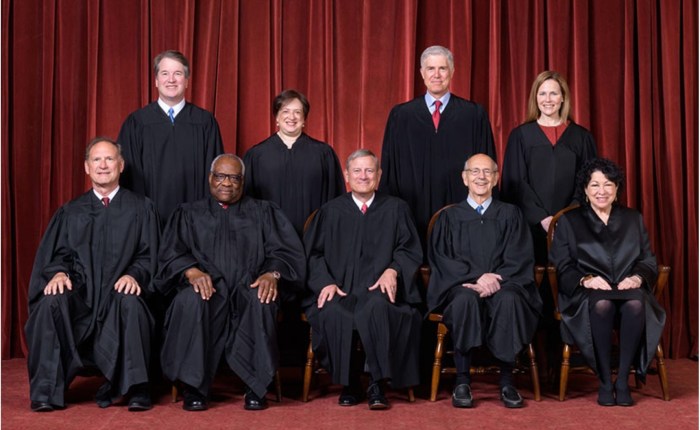
Joe Biden has announced his first pick for the Supreme Court: Ketanji Brown. She would become the first Black woman appointed, should she be confirmed. Yes, the should has become a most dubious matter of late, since the Democratic majority hangs by a thin thread, as if taken from a cat-ravaged sweater. They’ll need every Democrat in the Senate on board and likely Kamala Harris too (as the deciding tie-breaker) should no Republicans offer support. Which they won’t.

Sadly, the Supreme Court nominating process has become embroiled in the same petty politics that dominates basically every other major appointment or campaign in Washington. And it’s much more consequential since Supreme Court justices don’t have terms limits (Clarence Thomas has been serving for 30 years now). So a lot is on the line. Plus, this is just replacing one Democratic appointee (Stephen Breyer) with another. The Republican appointees (i.e. conservative judges still hold a majority of 6:3 which is unlikely to change anytime soon. Can anything be done and what’s the best course of action? There’s really no clear-cut answers but we’ll delve into it, after first taking a look at the justices:

  1. John G. Roberts (Chief Justice; appointed by George W. Bush; 2005; confirmed 78-22 vote)
  2. Clarence Thomas (appointed by George H.W. Bush; 1991; confirmed 52-48 vote)
  3. Stephen G. Breyer (appointed by Bill Clinton; 1994; confirmed 87-9; to be replaced)
  4. Samuel Alito Jr (appointed by George W. Bush; 2006; confirmed 58-42)
  5. Sonia Sotomayor (appointed by Barack Obama; 2009; confirmed 68-31)
  6. Elena Kagan (appointed by Barack Obama; 2010; confirmed 63-37)
  7. Neil Gorsuch (appointed by Donald Trump; 2017; confirmed 54-45)
  8. Brett Kavanaugh (appointed by Donald Trump; 2018; confirmed 50-48)
  9. Amy Coney Barrett (appointed by Donald Trump; 2020; confirmed 52-48)

Just at a glance, a couple interesting points can be drawn:

  • The votes have become increasingly contentious (for the most part)
  • Donald Trump has secured three appointments in a single-term without even winning the popular vote

It would be incorrect to say this process hasn’t always involved politics or clashes over nominees. Indeed, history shows that as far back as Washington, there’s been rejection and compromise (when he failed to make John Rutledge the Chief Justice in 1795). John Tyler (the first VP to ascend to the top job) only had one of his five men appointed by the Whig-majority Senate. So, it’s nothing new exactly. But… it has gotten pettier and that bit more combative. In 2017, Trump appointed Gorsuch even though it was Obama’s duty to replace the conservative judge Antonin Scalia (the Republicans basically blocked Obama and delayed). Amy Coney Barrett was then quickly rushed through in the wake of Ruth Badger Gisberg’s death in 2020; appointed only a week out from election. (Her nominating process, between hearings and other such matters, took only 28 days, where it’s taken 2-3 months on average the last 50 years for other justices).

The short-circuiting and politicisation of this process has not been lost on the public. From August 2019 to January 2022, a PEW Research Center poll found favorability ratings of the court had fallen from 69% to 54%. Democrats are naturally more miffed , considering the general ideological imbalance. Many conservatives, unsurprisingly, find the court to be closer to neutral in their judgment. For Jack Schafer (writing in January for Politico), the differences of perspective are irrevocably hard to reconcile. He writes that Joe Biden’s declaration of Black female justice (motivated by endorsement of S. Carolina representative Jim Clyburn) parallels Reagan’s promise of a female justice in 1980. He also feels that judicial philosophies cannot easily be separated from personal ones (if at all) as evidenced by rulings which “track so closely with the positions of the parties whence they came”. Basically, nobody’s buying Amy Coney Barrett’s bullshit statement of apolitical duty and everyone has an agenda or bias anyways.

Had Joe Biden opted for a moderate justice then, would the path towards a more levelled Supreme Court be paved? It would be entirely naive to think so. Plus, he doesn’t have the luxury of experimenting since (again) they’re at a 6:3 disadvantage. Certainly though, it’s clear that the appointment of Brown has riled up conservatives who will paint her as ultra-liberal counterweight. And unless the current political discourse (as a whole) is tempered, we’re unlikely to see much change in the courts. Perhaps, Pete Buttigieg’s proposal of 15 justices (10 affiliated across both parties with 5 selected by them or something similar) would help dilute matters but it’d likely result in a bureaucratic mess too and given the popular perception of Washington as indecisive, one can’t imagine that playing out well.

Unfortunately, it may be a matter of simple expectations and hopes placed on the justices we have at present. Should Joe Biden add more, one can only imagine what a Republican president would do, in turn (even though they cheated with Gorusch and Barrett). Really, all he can do is try his best to get Brown through and maybe rally public support behind the values of his causes. Of course, then we go down the rabbit-hole of how liberal the Democrats should present themselves, among other things. And so we leave another article on another, nice ambiguous …

One Year In: The Joe Biden Presidency

One Year In: The Joe Biden Presidency

On January 6th 2021, things got a little shaky in Washington. Without getting into details, one president was preparing to take office while another’s feelings were hurt. The latter may have said some things that shouldn’t have been said; maybe suggested his followers descend on the Capitol in defiance of a “rigged” election with “fake” results. And yeah, sure, if you want to be technical with it, they may have done just that in a blatant disregard for democracy. It’s hard to remember.

Well, against type, old “Sleepy Joe” remembers. In one of his most defining moments yet, he made a speech last week regarding the “web of lies” the former, “defeated” president had spread resulting in this insurrection. While his rhetoric and performance may have been lauded by his side however, it begs the question as to how prominent Trump and “Trumpism” remains in defining this presidency.

Indeed, a year on now, the battle for the “soul of America” (as Biden put it) rages on. Despite a multitude of major spending bills, the picture being framed by the media is still one of left-and-right friction, via the nitty-gritty of negotiating these bills, mask mandates, and vaccine uptake; its narrative spins every accomplishment or historical event under this paralysis.

For example, the withdrawal from Afghanistan (and the immediate return of the Taliban) was set in motion under the Trump presidency but Biden’s been saddled with much of the blame (not that he should be wholly exonerated from it). The vaccination program, depending on who you ask, has been a disaster. Either Trump had already done “the best job” he could have with it and set everything in place, or else Biden was extolling authoritarian virtues by implementing a federal mandate or even taking credit for what Trump had done before him. Trump criticised Biden’s action and then (at a rally) encouraged his followers to get vaccinated. It’s a little confusing. I think the official position they’ve landed on is that “vaccinations are fine but you shouldn’t have to get one but they’re also a scam”. Plus, masks are “lame”.

Naturally enough, most governments have had to readjust their strategies somewhat to contend with new variants, like Omicron. To a degree, Joe Biden was naive to suggest life would be back to normal by now though. Alas, that’s run-of-the-mill politics at its laziest and yet, he’s taken bold action in this department with the $1.9-trillion stimulus “American Rescue Plan” (passed in March). Unfortunately, with a cling-film, flimsy thin majority, the Democrats have struggled to follow up on the other two parts of the “Build Back Better Plan”- the II) “American Jobs Plan” and III) “American Families Plan”. (Although, parts of II made their way into the $1.2 trillion “Infrastructure Investment and Jobs Act”, passed in November.) The pressure to regain ground in this debate (publicly contested by Senator Joe Manchin) may play a role in establishing Democratic credibility in the mid-terms.

On that note, what is “Democratic credibility”? For while the Republicans still largely stand by Trump (2/3 even still believe his lies about the election), the Democrats remain tentative in deciding just how progressive they want their party to be and where its future lies. Indeed, many feel Biden’s as-of-yet unrealised plans don’t go far enough- an age-old adage for progressives. Plus, there’s a general feeling that Biden is serving as a temporary, caretaker president with many eyes turning to Kamala Harris for 2024. Biden has stated he plans to run for re-election but even his supporters’ doubts haven’t been assuaged. This, unfortunately, reflects the notion that great, transformative change cannot be expected in these next few years, even if they are needed.

As mid-terms have historically been a disaster for Democrats and many of the same contentions from the Trump years remain, Joe Biden may simply have to contend himself with dulling the rancorous hate that’s divided America. Sadly, it’s not just down to him. It’ll take a degree of bi-partisanship, an acknowledgment on the GOP’s part that Trump lied, and the media to stop droning on about Trump all the time. It’ll take some time for us to acknowledge the success rate of the Biden presidency with a clear filter.

Sleepy Joe vs. Fat Don: Our Panel’s Discussion

Sleepy Joe vs. Fat Don: Our Panel’s Discussion

Andy

With the election less than two months away, it’s time for the candidates to knock their game up an extra gear. And one surefire way to get their peeps talking is through the debates, the first of which is expected to close off this month. Now, some folk (such as Nancy Pelosi) don’t think Joe Biden should even dignify such discourse with the Mad King but he seems intent on holding his opponent’s feet to the fire nevertheless. 

Is this a good idea? Here to discuss this with me are two former MA History, UCD classmates of mine- Matthew O’Brien (PhD student, Washington Walrus co-founder) and Declan Clear (our London correspondent). Fellas, what are your initial thoughts- should Joe debate Trump or stay locked in his basement with his toffees and unfinished Sudoku puzzles?

Matt

Wow, an email thread – how 2000s of you, Andy! 

I mean, Biden is going to have to debate, right? He has remained quiet enough over the last 6-months since becoming the presumptive Democratic nominee in what seems like a lifetime ago. 

So much has happened since then, and continues to unfurl, seemingly on a daily basis. I only see that escalating between now and the election. And, if the recent suggestion from Anthony Scaramucci that senior Republican figures are going to abandon Trump at the electoral alter can be believed, it’s only going to get juicier. 

Biden will need to robustly address the social and cultural frustration and disconnect that has become a tenet of public discourse since the public execution of George Floyd, and that has in many ways defined this election cycle. 

While the debates will presumably have an eerily unfamiliar format this year, the battle for who can clock up a greater number of non sequiturs, memes, gaffs, etc., will be an enjoyable subplot. 

Declan

There is 100% a need for a debate despite what Nancy Pelosi might say. I do worry about Biden and the debates as he is making a lot of gaffes and lost his cool more than once on the campaign trail. Plus I’m sure Trump will try and push his buttons . Social media memes and gaffes aside (which I am 100% sure Trump will come out worse from), the tone that Biden takes will be interesting: will he aim to appeal to the Bernie supporting left or will he try tap into the moderate voter?

While Matt has pointed to some of the rumours (“the recent suggestion from Anthony Scaramucci that senior Republican figures are going to abandon Trump at the electoral alter”), I feel one of the strengths of Trump is that the Republican Party are more united ahead of the November election. Some of the arguments around the races within the Democratic Party this past month and the gap between the likes of Bernie supporters/ the left of the Democratic Party vs the moderates creates issues. 
A left leaning vocal democrat movement might push American moderates to go with what they might see as the safe bet in sticking with the current administration. Obviously there is a lot of time between now and November but I think the election is far less clear cut than the apparent majority Biden will win by according to many main stream news channels. 
The horrific murder of George Floyd will undoubtably have a huge impact on this election but which side will it impact more? Will it drive BIPOC people to the polls to vote Trump out or will it come help his law and order narrative?
The real question is will Trump once again silence the political experts? 2020- the so called battle for the heart of America is a stage set to far surpass the drama of 2016. 

Andy

Good points.I fear that a debate could be a no-win scenario for Biden however. Yes, he will look the part in comparison to the tyrannic wreck opposite him but will he draw the media’s attention away? I doubt it. I don’t know if the issues that matter to liberals will become more important as people pay attention. It may simply revert back to charisma, character, and vague notions of authenticity.

If he chooses not to debate, that will of course lend Trump a different kind of victory too. Biden’s too scared to get out.
But seeing as he’s willing to go head to head and assuming he doesn’t fall asleep or try to kiss a female moderator or something, how can Biden tackle Trump? How does one fight someone devoid of reason- whose campaign is epitomized by emotion? What can he learn from Hillary, Jeb, and others who’ve been slain by this man?

Declan

I think Biden needs to appeal to a wider base then the mainstream democrats are currently targeting in the debates. I think he needs to come across strong on condemning violence across the board. The shooting of 2 LA Sheriff department cops last weekend is something that Trump is obviously lording over and blaming the democrats for. But it will be interesting to see how the democrats react to this. 

While the murder of George Floyd and countless other Black Americans across the USA is not compareable to the incident in anyway or the shooting in Dallas in 2016 of a number of cops, a lack of compassion from Democrats might play into Trump supporting law and order. Then again Biden needs to be careful not to upset the movement that has emerged from BLM. 
While Biden should in no way start posing with a Blue Lives Matter flag he needs to at least show that he does support the police and the military. Otherwise Trump could say Biden only cares about appeasing liberals and BIPOC people!! further mobilising his white voter base. 
What is interesting is despite the number of developing stories about Trump, the virus, etc, the one issue which has now become embedded in every part of American life is the debate over BLM. The true question is who will it help! Will it be Biden unifying the nation or Trump pushing the gap between Black and White even further. 
Hard to believe that in 2020 race relations are at its worst since the Rodney King Riots. 

Matt

Lets also not forget that BLM has existed as an organisation since 2013, and that movement has been building to its crescendo, which appears to be 2020. A lot of scholar activists, and highly respected scholars like Robin Kelley have posited that there is something different this time, something more real about the activism taking place. When you break the scale of these demonstrations down, it’s pretty phenomenal; not to mention this is all happening to the backdrop of a pandemic that will usher in monumental social, cultural, economic, and political behaviours. The pandemic has served to magnify the iniquities of US society, and usher in critical dialogues on concerning the politics of care. As Declan said, the debate over BLM is ubiquitous, and is an issue which will largely define this election. 

Biden’s response has been largely milquetoast, and part of me cannot help but think that he feels that in selecting Harris as his running mate, this will placate those fighting for social justice. Biden was always going to score better with Black communities, and while the Democrats can’t rest on their laurels as they did 4-years ago, I think it’s a fairly safe assumption that Biden will win the Black vote. I’ve no doubt that Harris will speak eloquently on the issue of race, and the contemporary discourse on law and order. As Andy teased out, the question of emotion versus logic will be a critical factor throughout. I don’t believe we fully clasped that in the last election cycle, but we sure see it now; it’s inescapable. 
On the theme of that somewhat despondent time 4-years ago (lets not forget Brexit, too), Andy has prompted the comparison between Biden and Clinton. Most of the mainstream media outlets approach this in a very similar way: Biden will outperform Clinton with white male voters; Biden will outperform Clinton with older voters; Bidden will outperform Clinton among working-class voters; Biden will outperform Clinton with women; Biden will outperform Clinton with younger voters. The latter is broadly considered to be true because it seems the Bernie Bros have formed a consensus to “Settle for Biden” – which has created a rather hilarious Instagram account. As all three of us have discussed in the past, the presence of celebrity voices of support in politics can be grating – Clinton was unabashed in rolling out Jay-Z and Beyonce, among a litany of others. This strategy is phoney and saccharine. Lets hope Biden doesn’t do the same. 
As far as Trump’s campaign goes he really seems to just have one thing going for him: Law and Order. A few weeks ago there was an Atlantic article (not the one about Trump calling the glorious dead losers) that drew historical comparisons to Nixon’s Law and Order campaign in 1968. The funny thing is that Nixon inherited this rhetoric largely from the actions of the Johnson administration’s War on Crime, which evolved into the War on Drugs under Nixon. This was marshalled at a precarious stage of the nation’s history and had a number of markers that helped create the narrative, which mainly pivoted on police and state sanctioned violence to quench violence in the streets. While it worked with Nixon’s “silent majority,” I am not so sure the pallet is there among the wider US public – perhaps I’m giving them too much credit, who knows? 

Andy

The “lame stream” media as actually lame people call it has, to a certain extent, exacerbated this division between chaos and order. Interestingly, each side sees the other as the chaotic one.

Black Lives Matter and the issues concerning race relations have always been pertinent in the US. In recent years, the spotlight has intensified, partially due to increased coverage with camera phones and partially due to a more zealous call for accountability on the parts of liberals. I think the election of Trump really stoked a flame in the culture wars. People felt so cheated and perhaps even ashamed of their political inactivity before that they fervently moved to take up arms (in a socio political way).
We see this in the BLM movement and even in the #metoo movement. Trump represents more than just one man’s vision for America. (If he even has one.) He represents a constituency of emotional appeal for the ways of old and an end to the perceived climate of political correctness being ushered in by the “radical left”. 
I think we’ve touched on the pulse of what matters this election season but let’s consider a couple more questions to conclude this session.
1) Does defeating Trump defeat Trumpism (i.e. the cultural values of his support)?
2) Just as an afterthought- Even if Biden wins, will Trump sail away calmly into the night?

Declan

1, No a. Trump defeat will not change the cultural values of his support; they have always been there. Trump just put them in the public eye. 

2.  If Trump is defeated, he will leave. I know a lot of people are like will Trump accept the result etc. I reckon if Trump loses he will retire to his tower with his bucket of KFC and 24 piece Chicken Nuggets and get about planning a golf tour. Mind you the tweets will be fun.

I would be interested to see how the Democrats react if Trump gets reelected- will they allow the party to become more radically left or will a moderate emerge from the doldrums and tone down the narrative which a very small vocal minority of the party have pushed to the front of the agenda.

Andy

I can’t see it being a smooth transition, no matter what. Perhaps, years down the line, Barron will even try to avenge his father. What say you Matthew, on the first two questions and what Declan brings up as regards Democrats’ reaction should Trump succeed?

Matt

In response to the first question, I agree with Declan. Trump’s politics unlocked Pandora’s box as it were… his actions, and the fact that they come from the office of the President help to legitimise this further. The thing about ‘isms’ is that they’re totally malleable and relatively indestructible… they’re almost zombified. As Declan said, those values have always been there just below the surface… but in a weird way, I think for all of the hate Trump has whipped up, it has focused people a little more, given more people a reason to pause, and think,”wait… what? Is this really happening?” We need to continue to be appalled by what Trump says and does, because the more comfortable we get with his Janus-faced behaviour, even making light of it, the more he will get away with in the future. 

As for the second question, I also think Trump will leave office if defeated at the polls. However, I think his post-presidency will be torrid. The DOJ have been biding their time, massing their evidence. We know that they cannot investigate a sitting commander in chief, but when it comes to lame ducks, it’s open season!   

Andy

And there you have it! Tuesday, November 3rd is not far away so for any Americans who may be reading this, be sure to register and vote- early, if possible. 

The first of three debates between Joe Biden and Donald Trump will take place September 29 with one scheduled also between Kamala Harris and Mike Pence. The stakes are high and the ratings will surely be HUGE!
Join us next week as we rank the best and worst outfits of Kim K in 2020 so far and discuss what Kendall had hidden away in that clutch!

The Battle of the Democrats Begins

The Battle of the Democrats Begins

17 months yet remain till the deciding vote is cast for the next president of the United States, if indeed, there is one (and if there is indeed still a democracy). Just about every key Democrat figure you’ve heard of has their thrown their name into the ring with over 20 candidates now declared. With this wild assembly threatening the already weakened image of the excuse-me-sir-is-this-gluten-free party, a plan is now more important than ever. This is why there will be two Democratic debates held this week… yes, two… and with 10 candidates apiece. Will they resolve some differences and set a standard goal with which to hammer the incumbent? Or will they sully the already murky waters of their objectives and philosophies? Let’s investigate.

Debate #1 (Wednesday, 26 June)

Candidates: Elizabeth Warren; Beto O’ Rourke; Cory Booker; Amy Klobuchar; John Delaney; Tulsi Gabbard; Julian Castro; Tim Ryan; Bill de Blasio; Jay Inslee

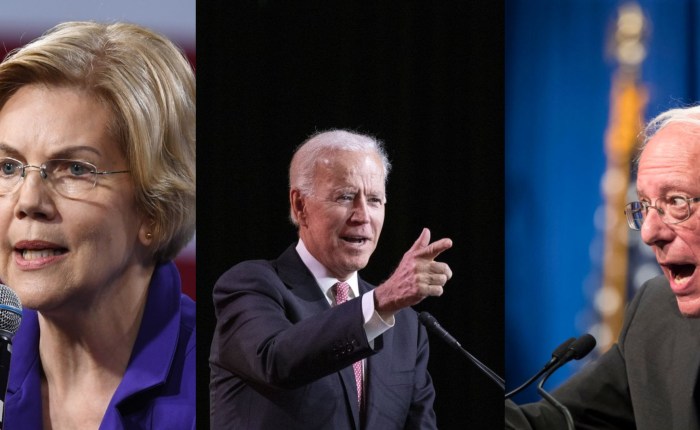
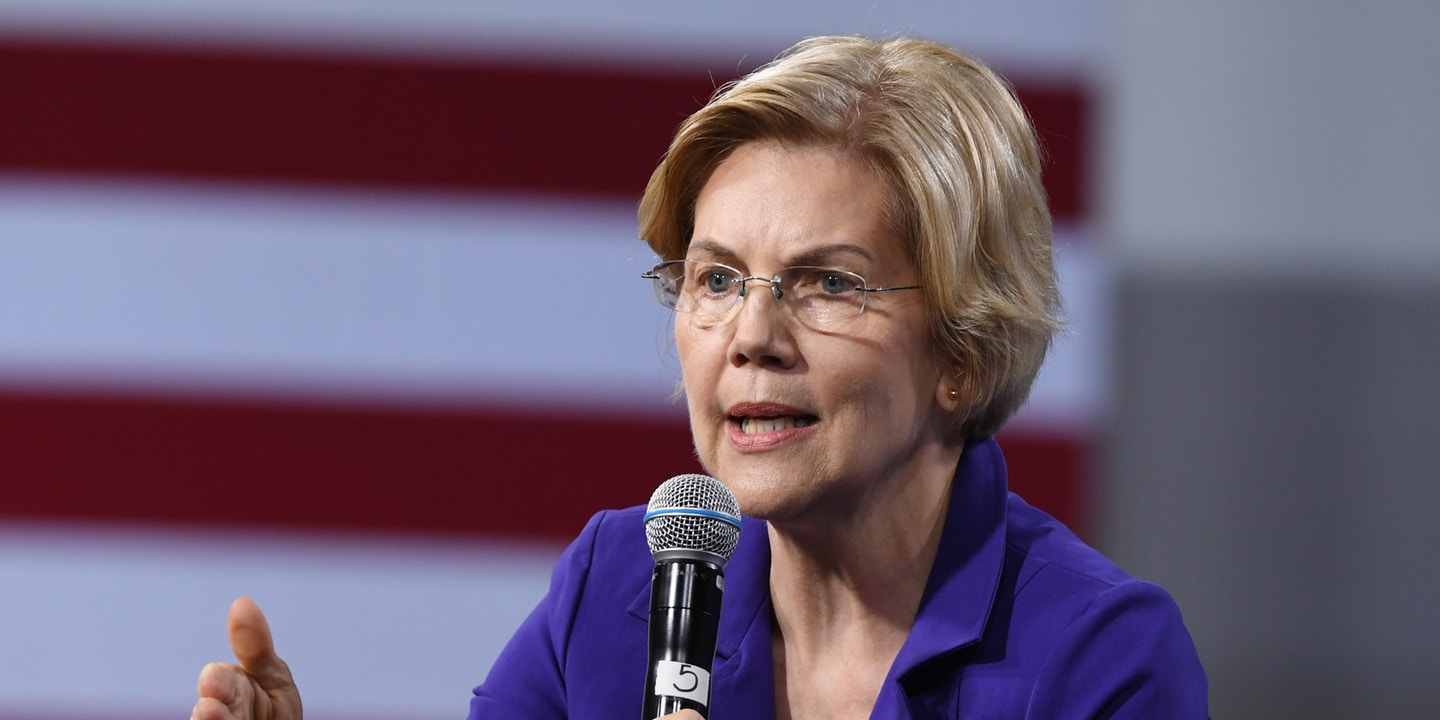
Essentially the B-side to the following night’s debate, this is Warren’s chance to shine among a field of relative obscurities (on the national stage). She is seen as a far-left choice by some and too economically-minded by others but her rising stardom coupled with her no-nonsense resolve makes her an inviting alternative to Sanders, whilst also carrying the torch of those determined to see their first female president. In my opinion, she could make for an excellent president (polling behind Biden and Sanders) but her anti-Wall Street sentiments and lack of (let’s say) wackiness gives her a challenge of image for the undecided. Unfortunately, I could see Trump painting her as a weak-minded loopy socialist of some sort.

GettyImages-1145519920-1561060547-e1561060634447

As for the others, I don’t want to exactly disparage or dismiss them but when your strongest challenger shoots for Dukakis-like photo ops (see below) and just lost a Senatorial race to slimy Ted Cruz, it’s difficult to see them going far. Still, Beto O’Rourke is an affable candidate, in many people’s minds, and his youthful image could provide a much desired contrast to the dinosaurs dominating American politics today.

orourkebetohaircut_051519fb
Like Hugh Grant after an emotional confession in the rain

Debate #2 (Thursday, 27 June)

Candidates: Marianna Williamson; John Hickenlooper; Andrew Yang; Pete Buttigieg; Joe Biden; Bernie Sanders; Kamala Harris; Kirsten Gillibrand; Michael Bennett; Eric Swalwell

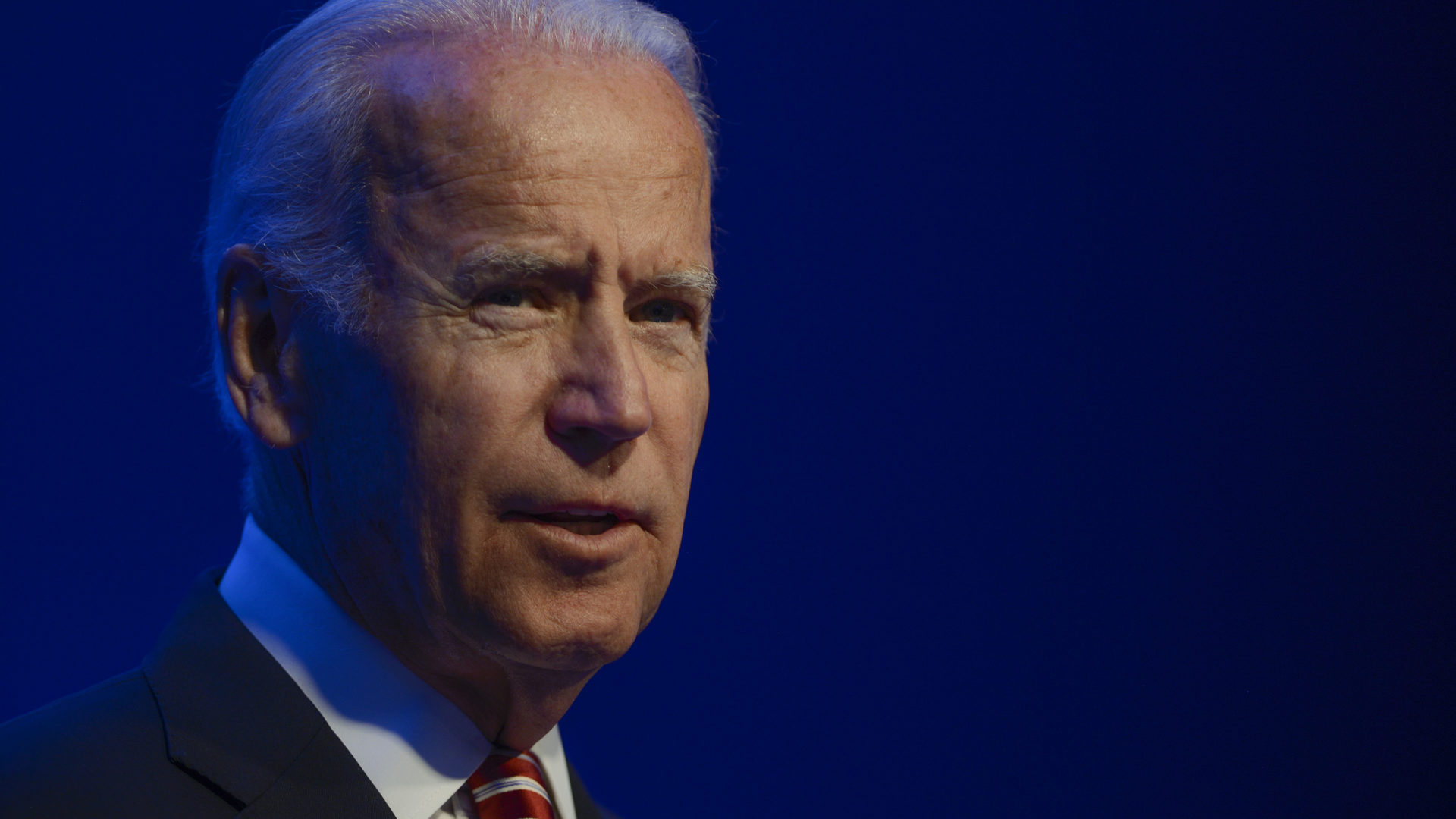
The media’s attention will undoubtedly be placed on drawing distinctions between Biden and Sanders; the two front-runners wrestling for the soul of the party. Will the more centrist slick politics of the former VP fare well or will the should-have-been nominated choice of the left topple him? For many, it’s essentially Clinton-vs.-Sanders part two. Biden, however, is no Clinton. Yes, he is not as liberal as Sanders or Warren but he’s also not as rehearsed and guarded as the former Secretary of State. Biden’s appeal lies in his compassion and relatability; something someone who’s been as involved as he has (and for as long as he has) should not have. People like him. He could probably hold his own against Trump the way others might not. His main problem, in these debates and the primaries, will be in overcoming controversies relating to past decisions (certain votes, Anita Hill) and behavior (the whole massaging people’s shoulders thing) but these are essentially overblown by the woke no-context trolls of the internet. Let’s remember, before we injure another promising candidate, that people’s attitudes were different in the ’80s and ’90s and that whatever any of these people have said simply does not compare to what the current president is actually doing.

joe-biden_1-1920x1080

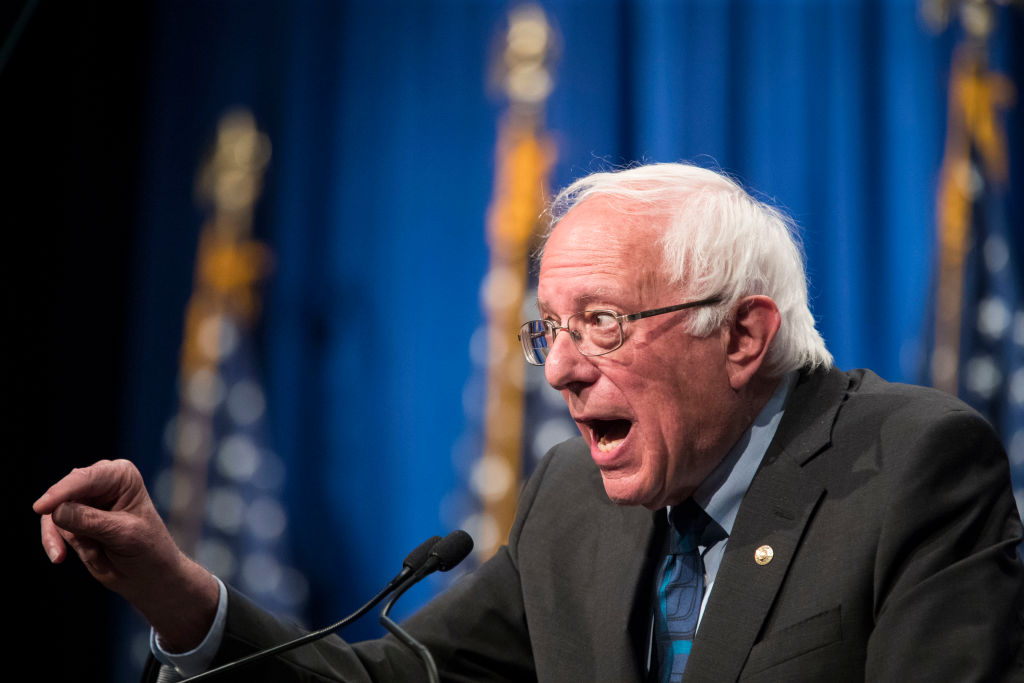
Enough about Joe though. Let’s move onto Sanders. He was my own preferred candidate back in 2016 and a part of me would love to see him become the next president but honestly (and sorry), some of the magic has worn off. It may be the fact that the democratic base has become more liberal (thanks in large part to himself), making him just another voice among the throngs; it may be that some of his ideas (free tuition) just don’t seem practically attainable; it may even be that I’ve just heard his message too often- but the level of excitement surrounding his run just isn’t what it felt like four years ago. Perhaps, I’ve become jaded. I don’t know. The important thing to remember is, and you can find this in the polls, that he stands a very good shot. Some liberals need to be reminded that although yes, he is another white old man, he has been the most committed champion of their causes (something his team keeps prodding about on social media). His fans, then, also need to be reminded that it does no good to act like a whiny little bitch and refuse to support whoever beats him. Let’s also not make age an issue. Biden’s one year younger than him and Trump is 73.

Bernie Sanders Delivers Policy Address On Democratic Socialism In Washington DC

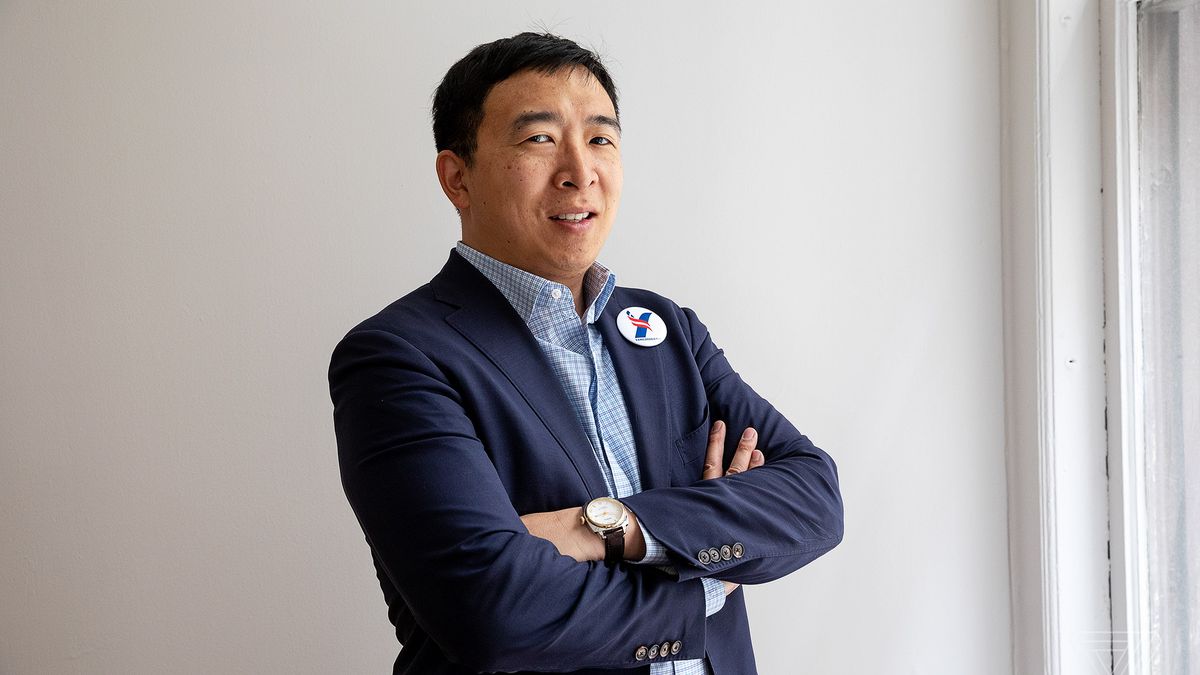
Besides those two, some of these candidates are intriguing, if not yet convincing. Pete Buttigieg, for instance, is a 37-year old gay/veteran/liberal mayor, who’s drawn a lot of attention for his eloquence. He sounds smart and he can’t be pinned down to one specific picture; almost the perfect contrast to Trump. The problem is nobody really knows what he’s all about. Remember kids, identity politics isn’t everything. Then there’s Kamala Harris, one of the earliest candidates to declare. A former prosecutor, she’s a tough one, who for all her law experiences, gains all the more credibility in her attacks against Trump. Andrew Yang has meanwhile discerned himself from the rest, putting ideology aside, to focus on universal basic income and the decreasing number of jobs available in America. This seems common sense but pundits and commentators sometimes forget how crucial economic matters are to voters’ minds. This is worrying, of course, because the economy is actually doing well, thanks to Obama, but credited by Trump to Trump. Democrats can’t let the president seize this victory.

akrales_190411_3346_0152.0

And lastly…

It’s early days yet. Although I’ve only focused on a few candidates, everyone has a chance to shine up on stage. Nothing’s guaranteed. Someone could, for instance, fart and break down right there and then. Someone could do a George Bush and run two words into the one. Someone could do an Al Gore and look smarmy for just a moment too long. Anything’s possible.

In some ways, it’s ridiculous that these debates are happening as early as they are and in some ways, it’s a good thing. The Democratic party has not tended to unify as solidly as the Republicans have in the past. After all, look how quickly everyone abandoned their principles and got behind Trump in 2016? Despicable but remarkable. The democrats need to stop shooting their own. If Biden’s a little too centrist for you, so what? He’s a lot better for your country than Trump is. Is Warren not exciting enough? It doesn’t matter. She’ll get the job done well. Democrats failed to resolve the conflict between their own ideals and the bigger picture back in 2016 again. If they fail this time, then America will truly be granted the president it deserves.

2020 Looms Already… Tips For the Democrats

2020 Looms Already… Tips For the Democrats

Alas, the 2020 election’s already rearing its ugly head even though there’s still 19 months till it actually happens. With candidates like Kamala Harris and Elizabeth Warren emerging and with the stakes higher than ever, I thought this would be a good opportunity to provide some necessary nuggets of advice because… well, let’s face it- the Democrats kind of… suck. That is, not to say, that their candidates are bad or that their ideas lack gravitas or sense; they just don’t know how to sell themselves or stay the course. So, please take heed because nothing’s guaranteed.

  1. Don’t turn on one another: Bernie Sanders isn’t the enemy, nor is any other candidate who takes the steam away from the party’s star darling. In 1980, the Democrats’ chances were greatly skewered by Senator Ted Kennedy’s challenge against incumbent Jimmy Carter. In 2016, Hillary and Bernie supporters clawed and gnawed at each other to the point that many of Bernie’s ranks became Trump voters while many of Hillary’s bemoaned the sheer gall of a challenge .
  2. Stand by your liberal values: The latest stream of Democrats in the House suggests the Democratic party is moving to the left. Agreeing on a final platform in the summer of 2020 will undoubtedly be a messy affair but at this juncture, there’s no sense in compromising to meet the Republican base’s standards. Trump’s damaging the party in spectacular ways and if the Democrats present a centrist vision, they may lose the value of contrast.
  3. At the same time, don’t be the wrong kind of liberal: The issues are what matters, not the identity politics gripping today’s culture. Yes, they shouldn’t compromise on their values but there’s no need to alienate moderates or even potential conservative turn-abouts with condescending notions of political correctness. Don’t abide racism, sexism, or any other form of prejudice. Yes, these things matter. With that said, sometimes a joke is a joke. Don’t be the kind of candidate who polices language and how “woke” people are with the thin-moustachiod zeal of the PC Principal.pc principal
  4. Attempt a 50-state strategy: Yes, we all know the electoral college system’s stupid but it’s not likely to go away anytime soon, is it? So, do the right thing and engage as many Americans as possible, even if it means a trip to a blood red state. A personal touch really makes a difference. Trump had a horrible platform in 2016 but he didn’t just bring it to Iowa.583c8f6bba6eb67d058b66d9-1136-568
  5. Keep an eye on Social Media: With or without Russian hackers, people flick by a large number of sensationalist headlines every day on Facebook, YouTube, and Twitter. The more and more you see a story or a theme repeated, the more likely you are to believe it or at least, give it some pause for thought. In today’s culture, it’s become very difficult to separate the truth from the bullshit, so if the Republicans are going to play dirty, the Democrats either a) need to as well or b) find an effective way to convey just how wrong these articles/the Republicans’ assertions are. As I write this, I understand that this is of course, a lot easier said than done.
  6. Engage your opponents: This is to further point 3 above; be prepared and willing to engage with those who don’t hold your opinion on say, abortion, or gun control. Even if you strongly disagree with someone, you can still have a conversation with them. You might feel their’s is perhaps a dangerous opinion and that they should not be given a platform (as has happened on university campuses), considering the scores of others who have never had their voice heard. I grant that that is a fair and even practical approach at first glance. When you try to impede someone’s free speech however, you often just strengthen their resolve and help marshal others to their cause. You even appear weak and afraid that perhaps their bluster pertains more nuance and scope than you first imagined. The Republicans, I believe, are fundamentally wrong on a number of issues but that does not make them villains who we must banish to the darkness.
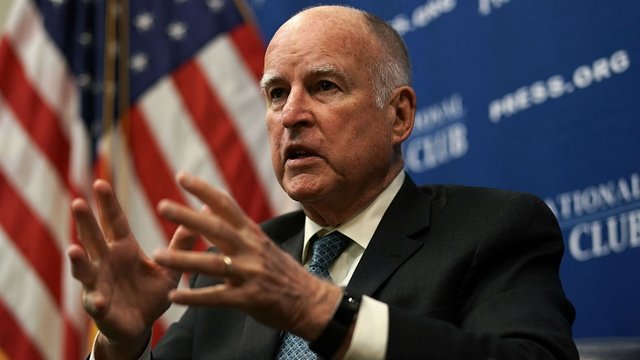
  7. Don’t make age an issue: Chances are rife that a lot of these candidates are going to be in their 60s and 70s. They could easily just keel over and die at any moment, right? Do they really represent the youth? Sure, not every issue affects every age group equally and yes, people die more so later on in age but a) these candidates do preach, by and large, to concerns affecting most Americans (income inequality, climate change, etc.) and b) some of the best Democratic senators and representatives have served well on in life (take Jerry Brown’s work as Governor of California for example or two of the most popular prospective candidates, Sanders and Biden).

    brownjerry_041718
    Jerry Brown, old as time, but a sound Governor (left office earlier this month).
  8. Don’t be passive, inspire: Above, I wrote about how sensationalist articles can cloud people’s better judgment on Social Media. Sometimes, sensationalism is needed to convey a point effectively though. Whoever emerges as the Democratic nominee will need  to take Trump to task with strong, vitriolic language. There is just cause because this is a ridiculous man and a lame-duck, politician type will not be successful in his arena. Why not even take a stab at being a great orator? One who can inspire the way Obama or JFK did?
  9. And lastly, be yourself: There’s probably a good point to be made here, concerning Hillary’s robotic approach but I’m just going to take this opportunity to wish all the candidates good luck. You may not run for president again, after all. So reach for the stars, show ’em what you got, and all that!

Undoubtedly, there’s a lot more these candidates will need to be mindful of but as I’ve already said, it’s a long way away yet. Anything at this point is mere speculation. What we do know for sure if that Elizabeth Warren is seeking to run, Kamala Harris is running, and a number of others are considering it. Like in 1976, it’s a fairly open field and anyone’s guesses are as good (if not better) than mine. I expect we will have at least ten noteworthy candidates by June (perhaps Beto O’ Rourke and Cory Booker) and at least five options. We mustn’t, of course, make the mistake of 2016 and assume anything’s for sure however. Biden’s not 100% definite. Nor is Sanders. Or anyone else. And there’s still a lot of work to be done by the House to keep Trump at bay.