Lessons for the Left

Lessons for the Left

One week ago, the Democrats were handed an unambiguous defeat. A royal smackdown. Not just in the presidential race (across the electoral college and popular vote), but in the house and senate too. While many have been quick to suddenly attain 20-20 hindsight, it remains important for the Democrats to actually undergo proper penance, learn some lessons, and knuckle down for some hard work. 

Lesson 1: Democratic Process Matters

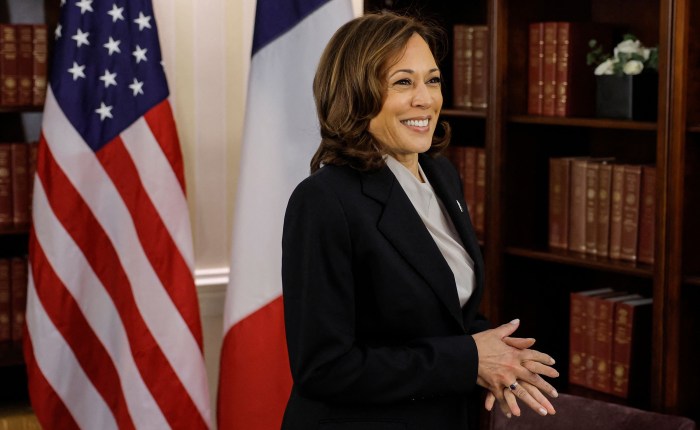
Up until a month ago, I thought Kamala might just pull through. Given the game-changing nature of her succession to the ticket, it felt like that wave of momentum might hold on (as discussed in our last article). Unfortunately, it crashed a little early from the shore and became a somewhat hollow experiment, in the wake of media appearances and interviews on her part, contrasted with a series of PR grabs for Trump (the McDonald’s gig and “garbage people” alliance). Ultimately, it became apparent that she just wasn’t the best candidate for the job (on the Democrats’ side). This leads us to a crucial point: the gulf in credibility between this party’s supposed defence of democratic values and their practice in nominating leaders.

In 2015-16, Bernie Sanders was one of the most exciting and promising voices of the left. Many (including myself) felt he would’ve done better than Hillary against Trump. Of course, history went one way and much of the older generation and establishment didn’t agree. They weren’t exactly honest in their tactics however, with the DNC swaying things in favour of Hillary. But okay, that might have been excused… if it were not for the race of 2020 coalescing around Joe Biden, seemingly just to speed things up. (I will never forget Pete Buttigieg dropping out after just his fourth primary, despite winning the first major one or Bernie’s shots being dashed by the onset of the pandemic; even if it understandably changed matters.) The point of the matter is that the party’s leaders were and have been directing the flow of this so-called democratic process.

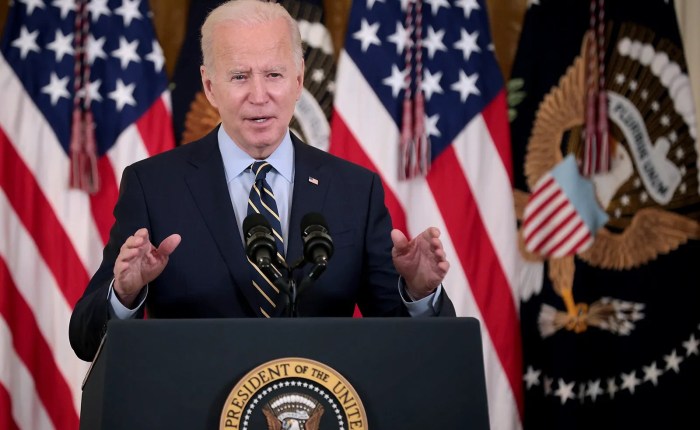
Had Joe Biden withdrawn earlier (as he should have), there might’ve been time for a full primary season and open convention. Instead, it was purported that Biden was totally fine and capable of running again. When it became clear (during the debate) that he wasn’t, the Democrats began to panic. This meant taking quick action and… well, we’ve explored this all too recently. I’m not saying there was any easy path to be taken here. An open convention at this point probably would’ve been messy too but in the name of saving democracy, the Democrats didn’t exactly follow through with the public’s wishes. (Kamala’s approval ratings were pretty low before her big boost.) It’s a simple lesson but an important one for them to remember: practice what you preach. Let the cream rise to the top in 2028, without meddling.

Lesson 2: Retire The Vanguard

This will be brief. It’s time for a new generation of leadership. Joe Biden did well in 2020 but was never considered by anyone to be a serious contender for a two-term presidency. In those four years, the party should’ve been looking for their next Barack Obama… okay, that’s a little optimistic but they should’ve been looking for their next Bill Clinton or someone who could actually inspire voters. Instead, they’ve plodded along with Nancy Pelosi (retired from her speaker role but) retaining enormous influence. (She’s also just been elected for another term at age 84 by the way). I’m not saying these boomers have done a bad job or are unable to continue their roles in some capacity but they’ve dominated the political sphere of influence since the 90s at this point. It’s a different world now and it’s time for new faces.

Lesson 3: Re-Connect With The Working Class

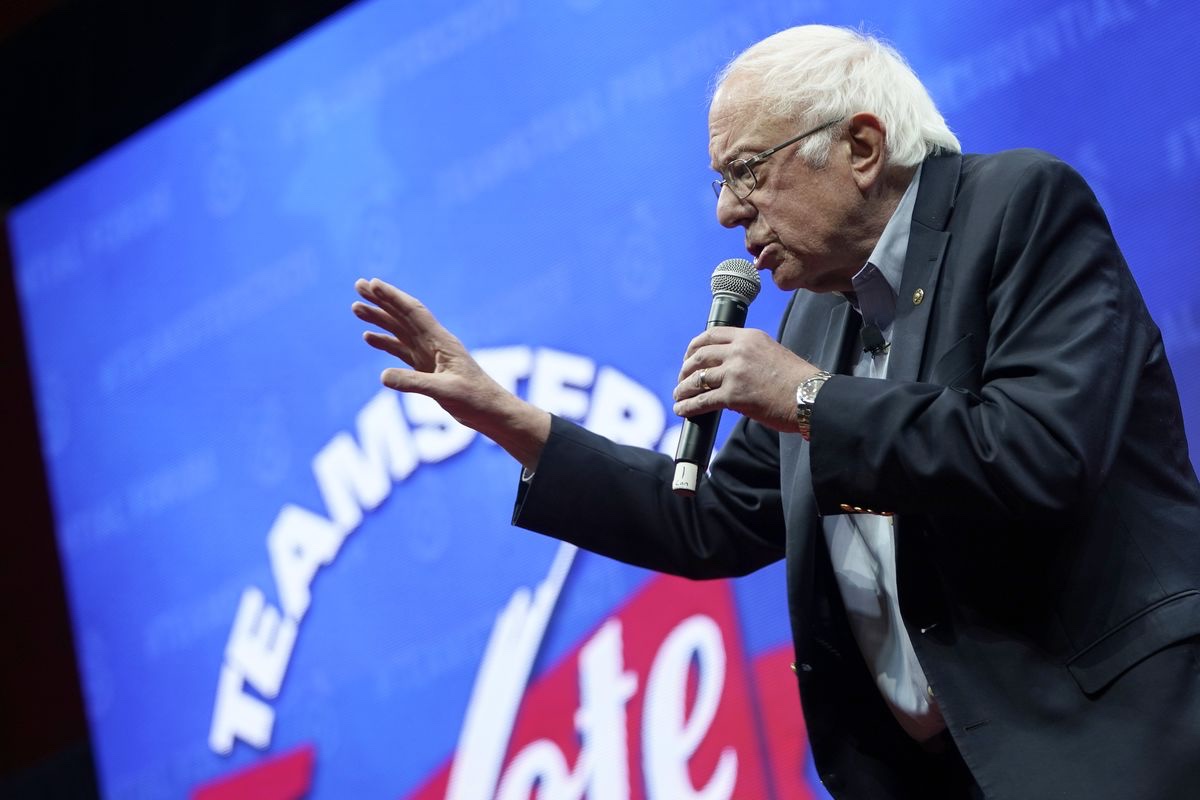
Why the party of big business, led by a billionaire, has managed to secure all the swing states and won the allegiance of the working class should be mystifying. Economically speaking, the Democrats have been much better for the low-wage earner and yet as Bernie Sanders put it, “they feel abandoned” and have thus abandoned their party. Some of this was inevitable with inflation shaping the election. Tragically though, Joe Biden and Kamala Harris just never managed to find a way to assure the public that things would improve. To start with, Biden stated (albeit accurately) that the economy was in good shape, with inflation rates coming down, when he should have empathised with people struggling with grocery prices, which never came down or matched the average wage hike. When Kamala came to acknowledge this struggle, it was all too late. Trump had swept up the disenfranchised who believed his rule had contributed to a more prosperous times (with Obama missing out on credit).

This was always going to be Kamala’s greatest struggle (besides interviews). She had relatively little time to make up the ground Trump had in the swing states. But let’s face it: he was also just better at getting out there.

Lesson 4: Embrace New Media

Trump made great waves by appearing on long-form podcasts, such as Theo Von’s and Joe Rogan’s. This chiefly helped to consolidate the male vote but also showed he had nothing to hide and could hold up in a more relaxed, conversational environment. Similar to Hillary in 2016, Kamala played it too safe by (at first) limiting her media appearances and then by not following Trump in this vein.

In 2008, Obama became the first presidential candidate to really understand the internet and social media, taking advantage of it to propel himself to success. Well, social media has changed quite a bit since then and people are a lot more attuned to being “sold” something. Podcasts like these don’t rely on cheap chat show bits or celebrity cameos to entice someone. Apparently with the coaching aid of his son, Barron, Trump was able to tap into an aspect of online culture ignored previously in these election cycles. Given the uselessness of big news’ media outlets with polls, it might be worth re-examining where the pulse of this nation lies. (And yes, also stop with the celebrity endorsements. Per this point and the lesson above, they don’t connect you with the people.)

Lesson 5: Control the Outrage

The first few weeks of Trump’s first term were exhausting with multiple decrees garnering fresh cries of outrage from the Democrats and media. Clearly the controversies didn’t matter that much in the end. The simple thing about Trump that the Democrats have never been fully able to appreciate is that he’s a disruptor. Therein lies his appeal. He is a kind of antidote to traditional politics and corruption; albeit not a man who plays by the book.

Naturally, there’s going to be a lot to be outraged with over the next four years. Not everything will necessitate a battle. Two impeachments and multiple court cases didn’t eliminate Trump so it’ll be important to tackle him in a different way. Granted, I don’t know what that way is but since the Democrats have so far been playing a losing strategy, it’s worth considering what’s worth their energy.

Conclusion

As Jon Stewart stated in his latest episode of The Daily Show a Democratic comeback is plausible. Reagan won every state but one in 1984 and Nixon trounced McGovern in 1972. The senate and house will always swing back and forth. Indeed, the history of the electorate is basically a game of ping-pong. As George HW Bush’s team put it, in analysing his defeat in 1992, “change is the only constant of politics”. So on and so forth. There’s hope there but to be frank, for at least a few years, the Democrats will have to contend with Republican power, will, and legislation; via the presidency, the house, the senate, the majority of governors, and the Supreme Court. So… good luck and take what you will from those lessons.
The Last Stretch for the Kamala Wave

The Last Stretch for the Kamala Wave

With less than a month now to the election, the forecast remains murky. Depending which poll you look at, either candidate could be nabbing it. Some say Kamala Harris has a 3% lead. Others say Trump’s support is underestimated. Many argue it will simply come down to the battleground states (particular Pennsylvania). Yada yada.

It’s become so difficult to predict a US election accurately for a number of reasons; top of my list being the polarised nature of the media. It thrives on biases and in recent years has escalated to caricature-like proportions. Indeed, till CNN’s (still spliced) “60-minute” feature on the Vice President, I felt like I was witnessing the most softball interviews ever, bordering on propaganda. That is not to say Trump’s not got his own echo chamber; indeed, he would not exist if not for them. But the liberals are getting their hands dirty too and despite my preference for her eventual victory, it is worth critiquing the “Kamala Wave”. If just for pure honesty’s sake.

First, there’s an element of contrivance. Not wholly, but in comparison to say… Obama’s rise in 2008, it feels like the carpet has been rolled out for her. If we cast our minds back to the 2020 election, Kamala had an early surge in popularity before dropping off after the early debates. Months later, she became Biden’s running mate, on the basis / accusations of picking (pandering with) a female VP. The ticket won and she largely remained in the background, with some coverage (then criticism) given to her handling of immigration and the border. Indeed, as Biden’s advancing years began to show, many wondered whether he was being stubborn or doing what was necessary, in refusing to step down and hand the baton over to her. Kamala’s approval ratings weren’t great, even at the start of this year. (Even by June, really.) To many, Biden still seemed the more sensible prospect. Then that debate happened and the emergency klaxons started ringing. Sleepy Joe had to go.

Now the story being written is that Joe Biden’s decision to drop out of the race in July 2024 was a “courageous” and “selfless” one, bordering on George Washington-like sacrifice for the country. This has been one of the most embarrassing declarations on chat shows and interviews with Kamala Harris (if not necessarily by her). Let’s not forget he insisted on staying the course even after that debate, quite adamantly, until people like Nancy Pelosi “may or may not have” held discussions with him. To be fair, he may have eventually concluded what others had (with respect to his chances) but let’s face it, the Democrats played this one beautifully (at least from the point on of assuring he couldn’t win). They ousted him and got Kamala in at the perfect moment.

Biden endorsed Kamala and everyone promptly forgot he was president. Then a range of support from high-profile figures and past presidents came in. Any notions of an open-convention were quickly swept aside in the fervour of this tide. And just as Trump’s very recent assassination attempt faded quickly into the background, a star was born. It was Kamala Harris’ time to shine and in the weeks that followed, there weren’t many questions to darken the mood. 

Admittedly, there’s some sourness to this coverage; necessary but not indicative of the full picture. While Kamala is no Obama, there is some genuine encouragement to be found in the camps of supporters who believe she could be their first female president, without that encroaching as the only quality she brings to the table. She’s not a great orator or interviewee but she’s also not clueless, as some of her detractors would put it. She’s relatively engaged and relatable (i.e. no Hillary Clinton), given the right environment (see her interview with Howard Stern). She’s also able to handle Trump, as evidenced by the first (and probably only) debate they had. And she made a good choice in running mate, in Tim Walz. Most importantly for the Democrats and her supporters, she’s rode this wave to maximum potential. Unfortunately, October may prove a different kettle of fish.

Kamala’s opponents believe her greatest weakness lies in facing the media (via tough interviews). While Trump reels off a litany of bizarre anecdotes and conjectures, he comes across… stridently? Or at least confident. Kamala has been somewhat meandering, in her rare appearances.Part of the problem stems from her promotion of an image of change and not repeating the past. Her calls for action on any issue are met with derisive snorts that “she and Biden” could act right now. Of course, neither candidate’s alien to the White House but as the closing weeks clock in, Kamala will have to make sure she’s distinguished just enough from the (actually still) president. With the media’s always-fervent dreams of an “October surprise” (e.g. Comey reopening the investigation to Hillary’s emails last minute), their general flair for dramatics, and the last rounds of public and world events in concurrence, the narrative could be spun again. For while riding the Kamala Wave has proved fruitful for many so far, boredom can quickly set in. And I’m afraid that’s the level we’re at.

One Year Out… Does Biden Still Look Good?

One Year Out… Does Biden Still Look Good?

To answer quite literally; yes, I think Joe Biden looks dashing for a man pushing 81… But the ellipsis begs the further question of how he will look when he’s 82- which he would be upon commencing his 2nd term in January 2025. Well…

Running the country is different from running for the presidency. If we were to chalk this up to the record, Biden would look quite good (at least with Democrats). He’s gotten the US out of Afghanistan, lowered drug costs, made a start on cancelling student debt, and passed an inflation-reduction act, to name a few things. But… those measures simply aren’t painting the larger picture, which is that of an old man struggling to load up a restaurant’s QR-code menu on his phone (I know, frustrating for all). He’s old news. Past it. Out to pasture. Bamboozled by the times. Pork chops for dinner. Why, he’s even older than the president who was elected 31 years ago. The man’s ancient. Now, wisdom is acquired and in theory, having an older leader is no bad thing. But at some point, perception trumps (sorry) reality and if the latest polls are anything to go by (39% approval; Trump supposedly leading in 5/6 swing states), Biden’s not looking like a promising prospect anymore.

Biden’s detractors and supporters both fear he will struggle in the debates. While he held his own reasonably well against Trump last time, he may struggle in 10 months. Trump’s only several years younger but he just doesn’t wear his age the same way. It’s like his ego has sustained him with an unnatural propensity for spewing entertaining nonsense. Sure, Biden can fact-check him but I’m inclined to agree with Dave Chapelle’s analysis that Trump comes across as an “honest liar”. He may not know what he’s talking about but he’s not playing to the weary cringe-inducing politic-speak Biden or Hillary indulge in. Plus, last time Trump was running, the pandemic was hampering his support. This time around, virtually nobody will care about that and Biden will have four years of political baggage to account for. Basically, he’ll be playing defence this time around. 

And the defence will likely be centred around his son; Hunter Biden. That’s a whole other kettle of fish but again, since perception trumps reality, and the Republicans have been beating this drum for years now, it’ll be tough for Biden to avoid this. Perhaps too, it stings his supporters to admit that this was newsworthy, even if slight against the plethora of lawsuits dogging Trump. To the vaguely uninformed, the messaged received is: there’s some dodgy stuff with Biden, some dodgy stuff with Trump, it’s a wash; we’re all in the swamp. And thanks to the preposterous level of subjectivity in news media today, it’s hard to put things back in perspective.

Outside of all this conjecture however, two issues may affect Biden’s rating in the next 12 months; foreign policy and inflation. Typically, the former doesn’t have as much of an impact on the average voter but foreign aid and support directed towards Ukraine and Israel may weigh something. Republicans have opposed Biden’s allocation of “too much in funds” for Ukraine while support amongst Democrats for Israel has decreased somewhat. Since these are contentious matters (also worthy of a lot more exploration), I won’t dig in deeper (or cast judgement), other than to say there is a tangible level of resentment directed at the government for taking this capital from home. This leads us to inflation.

Inflation actually peaked in June of last year at 9% and is now 3.7%, but in day-to-day life, prices are still rising on the likes of personal care products, groceries, restaurants, rent, and more. It’s also speculated that it won’t keel out until 2025, which will prove a major factor in the election. Even though it’s not totally in Biden’s control, the “buck ends” at the Oval Office (as foolishly accounted for by Harry Truman). While statistically wages are up and unemployment is down, inflation will make the largest impression on Biden. It takes time for the appropriate measures to lead to results; for example, the economy was on the mend in 1992 but hadn’t yet shown, affecting Bush Sr’s campaign. As with the “controversy everywhere” analysis aforementioned, it’s hard for people to know where to direct their anger but the Republicans will beat this drum as the Democrats play defence.

So, as Biden languishes in the polls, with the possibility of the Dark Lord’s return, many have suggested it might be time for someone else to step in and run in his place. This seems unlikely at this point but not without precedence. In March 1968, Lyndon Johnson announced he would not seek re-election, mostly owing to his lack of favourability with the Vietnam War. His VP, Hubert Humphries, went on to lose to Nixon later that year, though one of history’s great “what ifs” remains in if Robert Kennedy hadn’t been assassinated that summer. And you know what, we have Robert Kennedy’s son running as an independent this year, so a Trump v. RFK Jr v. Kamala Harris ticket could materialise. Maybe another Republican could clinch the nomination, especially if one of those lawsuits leads to something with Trump. Maybe Kamala somehow gets popular? Well, there’s a long stretch ahead still but as it stands, it looks to be a rematch in November 2024 and that’s… terrifying.

American History In The Washington Walrus’ Time: 2016-Present

American History In The Washington Walrus’ Time: 2016-Present

The Washington Walrus has finally hit 100 articles! And in the 7 years since its inception (January 2016; okay, we don’t post regularly), a lot has changed in America. So to commemorate this momentous… moment, we thought it’d be fun to try and summarise and maybe evaluate some of the things that have happened since then. How has the character (or “soul”, as Joe Biden would put it) of this nation changed? What distinguishes today from back then… Well, there’s only one place to start.

2016: The Rise Of Donald Trump

In his final Last Week Tonight segment of that year, John Oliver blew up the cursed numbers themselves in a therapeutic gesture of frustration and disappointment with what seemed like a terrible year, marked by numerous high-profile celebrity deaths (David Bowie, Prince, Alan Rickman, etc) and the election of Donald J. Trump. The latter point marked the most significant shift of this period of time.

While most of us were certain of Hillary Clinton’s victory, in hindsight, the writing was on the wall. Many Americans felt betrayed by the system and disappointed in the not so perceptible “changes” promised by the Obama administration. In truth, Obama had to sweep up the mess of the economic downfall that occurred in 2008 and was largely gridlocked in his domestic agenda, against increasingly combative Republicans. Hillary Clinton, it seemed, was not the answer. Perhaps, no run-of-the-mill Democrat was.

In the 2015-16 Democratic campaign, Bernie Sanders had emerged as an unlikely favourite amongst the youth. An independent with a noble, if not particularly successful track record, he seemed to capture something of the same spirit that led to Trump’s shocking election; a feeling that corruption was ripe is Washington and lobbyists, billionaires, and special interest groups were calling the shots. For quite awhile, he was a great challenge to the Clinton campaign, but ultimately lost. (Many assert that had he succeeded, he might’ve beaten Trump. I’m not exactly convinced he wouldn’t…) This is besides the point however. The point is that a rot had set in and politics would not proceed as usual.

2017-19: “Chaos Is A Ladder”- Littlefinger

Upon releasing her memoir, Becoming, the following year, Michelle Obama wrote that she “stopped smiling” upon listening to Trump’s inaugural address because she simply couldn’t pretend any longer. For those who hoped he would rise above the petty insults and divisive rhetoric of his campaign, it became immediately clear that things were about to get wild. First, there was the ban on people flying in from predominantly Islamic nations. Then, a series of cabinet upheavals. Scandals galore. Then, an insensitive summary of Charlottesville, in which he deemed there were fine people on both sides; both sides being white supremacists and protestors. It was in this moment, Joe Biden apparently decided he should run, in order to “save the soul” of America.

The fact that Trump was so emboldened in his office and able to get away with (seemingly) anything perhaps emboldened the left, in turn. If the battle couldn’t be won in Washington, then perhaps it could be in the culture wars. Indeed, the values of left and right had polarised increasingly throughout the decade with right-wing commentators arguing the left were pushing a politically correct agenda across America, particularly in universities while the left challenged the right’s reticence on civil rights’ issues including gay marriage, trans identification, and more.

The breakthrough of the Harvey Weinstein case in 2017 marked a major cultural shift in the dynamic of women dealing with powerful men. With the colossal expose, a number of issues and transgressions were brought to light, helping to widen the scope of what was and wasn’t acceptable behaviour (or had always been). In the following years, Hollywood would amp up their promotion of diverse works and female-led stories, again sparking the ire of many who felt politics (or liberal politics) had become more important than art and story. At the same time, a parallel was being drawn by critics of the Democratic Party, who felt identity politics and the optics of diversity were becoming ever more prioritised in electoral agendas. This was dismissed by some as generational blindness. “OK boomer” became a de facto response for many.

The battleground for the culture wars had traditionally been fought in news media. By the 2010s though, social media had become the dominant source of information for most. Where misinformation and been brought to light with the 2016 election and the ensuing trials of Facebook, there now also lay the problem of a new level of sensationalism in misleading click bait headlines, yellow journalism, and (often) straight-out lies. Trump’s rise to power was seen as being emblematic of a post-truth world, in which both sides claimed ownership of whatever the “truth” was. Annoying celebrities started confessing their stories as “speaking [their] truths”. There was much cringe-worthiness to be found. Most crucially, it seemed beyond political differences, the left and right had come to hate each other outright.

Let’s not forget the dual disappointments of Game of Thrones season 8 and The Rise of Skywalker (both 2019) either. I’ve nothing to say about them. Just don’t forget.

2020: The Boiling Point

The fact that this year started with an impeachment barely anyone remembers shows how crazy the Trump years had gotten by this point. Somehow, 2020 would become the year all hell broke loose for a couple of reasons. First, the beginning of lockdowns in response to the emergence of Covid-19. Second, the protests and unrest that resulted from the murder of George Floyd in the summer. Both of these factors influenced the culture and politics of the US enormously this year, with the mania perhaps lending some desire for normalcy, found in the wrinkled hands of old Sleepy Joe.

How Covid became a political issue may be question for future historians but by 2020, when everything else had, there was no reason this shouldn’t have been. Indeed, Trump mocked Biden in the debates for “wearing the biggest mask” before getting Covid himself. Beyond his pantomime, it was drawn as a debate on the nature of civil liberties for many; with some arguing against big government limiting their freedom through mandated governmental worker vaccines and lockdowns. Others felt that these opponents were questioning science itself in the name of partisanship or wilful ignorance.

As regards the second factor, the Black Lives Matter movement had become increasingly visible throughout the 2010s since social media allowed for the sharing and exposure of police brutality. With the shocking violence and boiling point of George Floyd’s death, the truth was driven home once again that black lives were treated as second class in America. Critical Race Theory became more prominent in the years that followed, with a wider net cast for those learning of the systemic oppression caused by economic and power models in US history. And while some progress had been made since the 1992 riots, Americans were reminded of the lived realities of many Black Americans. Unfortunately, this lesson has needed repeating throughout history.

2021-Present: Conflict At Home & Abroad

2021 started off with a little hiccup at the Capitol. A misunderstanding or something. Then a new leader was sworn in. So… Joe Biden’s presidency has and hasn’t marked a return to normalcy. I, for one, no longer feel the need to google the president’s name every day to see what wackiness he’s gotten up to. On the other hand, America remains deeply divided and though Trump is presently indicted, I don’t think his loss in 2024 is guaranteed. The same seeds of discontent fester and not even under the surface. To many, these legal proceedings are a “witch hunt”. Increasingly the idea of a “national divorce” seems pushed to the forefront, even if in political jest.

The Biden presidency (post Covid), outside this sphere, has chiefly been defined by the Ukraine-Russia war and inflation. The expansion of NATO and America’s involvement in this conflict may define the coming years, if no resolution materialises soon. As Trump had been (shall we say) cozy with Putin, things would likely change should he succeed in getting a second term. For most Americans however, economic burdens will distinguish this decade (even more so) than the last. To go back to where we began, it seems Bernie Sander’s concerns have only become more pertinent and fully understood with the passing years. As billionaires control social media and politicians fail to close the left-right divide, the country lies in a precarious position.

The Washington Walrus Thanks You…

Thanks to all for reading this or any of the articles we’ve put out in the last 7 years. It’s been an interesting blog to attend to, even if not attended to regularly. While it started out as an exercise in writing about current politics and American history, it transformed to something that could address all sorts of cultural, social, and even entertainment-based issues. No subject’s too light or heavy to cover, so long as something lies beneath the surface (e.g. Rotten Tomatoes’ scoring not accurately reflecting viewers’ interests and appreciation of art).

Prince Harry’s Spare: Truth & Credibility

Prince Harry’s Spare: Truth & Credibility

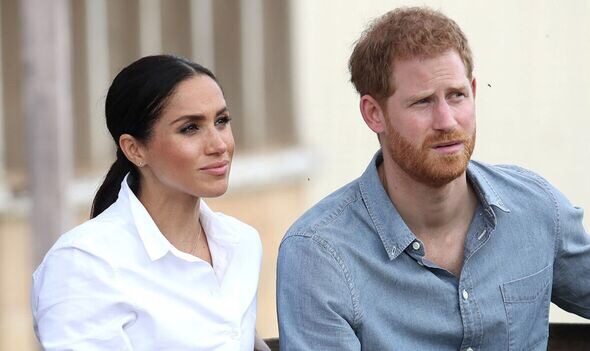
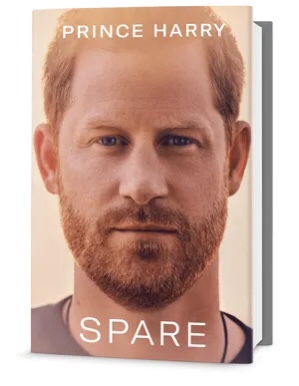
Right off the bat, I feel guilty for shedding further light on the already overtly-exposed and disgraced former (wait, still current?) prince. After all, in the last several years, his drama has become the gift that keeps on giving for tabloid newspapers and social media. His new memoir, Spare, focuses on the toxic nature of this coverage and yet in a paradox, feeds the same beast; which he’s acknowledged to an extent, if in the unyielding quest to have “his truth” heard. Having got caught up in the media blitz, after starting The Crown, I was just too nosy to not give the audiobook a listen. I thought his account merited an analysis to ascertain credibility, since it brings to question so many major issues: the nature of truth; our celebrity-obsessed gossip culture; mental health; and the monarchy’s role in today’s society. So rather than do a typical review, I thought I’d examine the book and Harry’s troubles through the lens of each of these points.

A) Speak Your Truth

This phrase annoys me. While experiences differ, I think we should try keep “truth” closer to fact than opinion, if we’re to judge any account. For the sake of this article, I won’t get hung up on it (since Prince Harry’s probably just using it in the popular cringe celebrity way) but let it just hover over the following points and consider what truth may be derived from the other side (i.e. the Royal Family’s). While I don’t think Harry is lying, his credibility and image do rest on the age-old folly of sometimes fitting facts and evidence to suit one’s conclusion rather than the other way around.

B) Gossip

I feel like most of us are guilty of consuming crass, yellow journalism and Harry, for all his personal objections, is too. For example, in discussing his father’s marriage to Camilla, he states that he was happy for both of them, even if he felt she had “sacrificed [him]” to the press in rehabilitating her image in the wake of Charles’ and Diana’s split. He keeps his assertions vague but suggests that at certain points, he became a whipping dog in order to make other members of the family look better. What exactly was said is kept on the back burner since there’s no solid evidence, though I’m inclined to believe his suspicions.

Indeed, this synergetic relationship between royal palace staff is paramount to Harry’s expose, even if the stories were later (and by him) confirmed true (Kate vs. Meghan, the boys unhappy Camilla, Harry’s drug use, etc.). To an extent, it’s become ironic for criticism on his part since Harry and Meghan have, at every turn, been exposing every bit of gossip they can in turn. Is this to be perceived then as Harry’s own scorched-earth retort? He’s laying it all out there so that it’s shown he has nothing left to hide? Beating the press at their own game? Perhaps these are the acts of a desperate man who’s had enough? Whether he’s been effective remains to be seen however. For just as he can lay it all out there, so too can new press reports and slants be spun. For many, Harry now appears more petulant, conniving and fame-hungry than ever. Meghan, who was (perhaps unfairly) characterised as being “difficult” is now seen by many as also manipulative. I’m not sure if this tell-all book, which delves into heavy gossip, does much to rehabilitate Harry’s image in terms of dignity (which is supposed to be the essence of a Royal). The question mark hovers over whether lowering himself to their standards is the way to go.

C) Mental Health

Prince Harry’s vendetta against the press is understandable, if not for the historical record, then for the personal trauma it’s caused him. In several interviews, he’s stated that he does not want to see “history repeating itself”, as regards what happened to his mother. Certainly, you could argue that his coverage has been extensive and overtly intrusive; even for a royal (perhaps as a means of contrast to the heir, the press wanted to dramaticise the tragedy of the “spare”). The effect of not being able to play out your mistakes in private can’t be underestimated. He’s never had a chance to live an ordinary life, even if his was a privileged one. 

In this regard, I see a certain value to him “speaking [his] truth”. Perhaps shining a light back on those that have exposed him will eventually lead to the media holding itself to some account. Of course, to turn things around again, this still wouldn’t necessarily paint him in a good light, because there can be more than one truth if its subjective. And perhaps Harry’s doing himself more damage than anyone else by digging this hole further because for however famous he was ten or twenty years ago, he’s a hundred times moreso now.

D) The Role Of The Monarchy

Harry’s objections to having previously been forbidden to speak out against press coverage and claims made about him are understandable but par for the course as a member of the Royal Family. While monarchies are inherently wrong to many, they can at least serve a function as a symbol of their nation. To this end, the Royal Family has to be somewhat detached from politics, bias, and sensationalism. We’re (sadly) not really supposed to see them as everyday people. But- Britons admire this about the crown’s purpose; to transcend petty squabbles as the emblem of dignity and grace in an otherwise turbulent history. A tradition or constant with a code that outweighs any fads.

Of course, Harry would clarify that his criticisms are of the players and mechanics of the institution rather than the institution itself. To many, this is a difficult distinction to make, since these roles have been at play for many decades at least and are part and parcel. Criticism has been levelled at him in turn since he won’t relinquish his title as Duke of Sussex, retorting weakly in an interview with Anderson Cooper, “what difference would it make?” (He did offer initially to rescind them, apparently, before exiting the UK in early 2020 though he didn’t mention that in his response; some argue he can’t keep his story straight.) Anyways… even if you’re to believe Harry on a majority of these issues, this seems a tough bridge for many to cross. The difference is it would lend him credibility in a “put your money where your mouth is” way. Instead, to many, it seems Harry wants to have his cake and eat it.

But principles are one thing when it comes to defining what makes the Royal Family; what about when unprecedented criticism and racism enters the foray. Did Meghan not deserve a proper defence? Harry acknowledged that Camilla and Kate initially had some degree of negative coverage but argues it went that bit further with Meghan since there were racial undertones to much of the discussion and gossip about her, citing a 2016 Daily Mail article entitled “(Almost) Straight Outta Compton” as an example. Indeed, if assertions weren’t outright, there were a great many comments on her exoticism and cultural background. How racist these were in intent has of course divided the public but it’s fair to say there was an element of prejudice there that was absent with Kate or Camilla. Given his Nazi garb at a costume party and some choice comments in the army, it’d seem Harry’s hardly the cultural commentator we need but I give him credit for at least admitting to his own “unconscious bias[es]”. This could open up a whole other book of issues though.

The point here is that there’s a tug of war between tradition and evolution in the Royal Family. It seems, given the nature of their relationship with the press and the tensions that have built, some level of change is needed. The problem is Harry has become such a divisive figure that he may not be the one best qualified to discern these changes. Indeed, he may have done more damage since his detractors have rallied behind the crown.

While his assertions hold a great deal of emotional weight and probable truth for many, I think his financial and emotional circumstances are colouring every comment he’s made, adding to the sensationalism of this all. To make a strange link here, I would refer to the famous Brit Stephen Fry, who has said of his own autobiographies that as much as they are an examination of his life at a certain period, they are reflective too of who he was when he wrote them. I believe if Prince Harry had written this book a few years earlier, it’d be much different. And it’s very possible that in a couple of years’ time, he’ll regret this course of action. Ronald Reagan’s daughter, Patti Davis (who penned a tell-all in the 80s) has spoken of how she regretted her decision and has since taken her book out of publication. In a recent interview, she commented on how there’s more to this than just “your truth”. There’s others’ too. Of course, we all know (as well as Harry) that we’re unlikely to get a Will, Kate, Camilla, or Charles’ memoir anytime soon.

Time will tell whether Harry’s controversial accounts will effect change that’s actually needed with royal-press relations or whether it just drags him down further on the road of meme iconography and social media slander / praise. For now, it’s all speculation because there’s so much flotsam here that it’s hard to see the horizon.

Will Smith Represents Celebrity Narcissism At Its Worst

Will Smith Represents Celebrity Narcissism At Its Worst

Following Sunday night’s debacle, Will Smith has roundly been criticised by the media and public alike, marking one of the most instant and dramatic falls from grace. Once the darling of the chat show circuit and a perceived “class act”, it now seems as if people are waking up to a facade. I feel vindicated as I’ve long held him to be full of sh-t, based on several observations:

– The nepotism of his children who were shoehorned into the film and music industry; Smith deserves at least a portion of blame for their annoyance and entitlement. Especially Jaden.
– The narcissism he exhibits when it comes to chat shows and promotional material. On Graham Norton, where there’s several guests, he really sucks the oxygen out of the room and brings everything back to him.
– He talks like a person far removed from the norm, dispensing cheesy, hackneyed variables of life advice on visualising success, creativity, and other BS.
– He doesn’t feel genuine (to expand on the latter two points); his laughs are just a bit too forced and save Sunday night, he feels calculated like a politician, almost. To be fair, this could be said for a few actors trying to play the media game.
– The way he (and his wife) openly discuss their marriage under the guise of establishing healthy discourse (on issues normally avoided) while really, just trying to stay relevant.

Will Smith’s a curiosity in that he’s an A-list star with D-list mentality, thus the need to constantly keep afloat in the world of entertainment news. I wouldn’t go so far as to say he was manifesting such a destiny when he slapped Chris Rock but he certainly made the event all about him, overshadowing the wins of the successive Oscars handed out.

Perhaps it’s naive of me to think that I stand alone in my distaste for the Smith family however. Increasingly, people have bemoaned the details that have been volunteered about their private life on Jada’s show “Red Table Talk”- a show devised for those who find “The View” too challenging. Especially with regards their “open” marriage (or whatever it is), Will Smith has taken on a less dignified air than ever before, almost emasculated. Maybe he’d been building up to an outburst for awhile?

People are free to live their lives however they want, so long as it doesn’t harm others. Since the Smiths so ardently share everything that should be private however, I think it’s fair game to criticise them. It really is celebrity elitism at its most cliched and cringe-worthy; thinking the world could really learn from them. They’d almost be Kardashians, if not for the saving grace of Will’s actual talents.

With all this said, I don’t believe Will Smith should be “cancelled”, if that concept means anything. He acted like a spoilt brat, even in defending his wife’s honour, and probably should’ve left (he refused to, apparently) but he’ll suffer enough (in terms of his reputation) and hopefully learn a bit of humility. Actual humility, that is, and not the Hollywood version. In Independence Day, 26 years ago, he went out to Space. Now, it’s time to come back to Earth.

The Politicisation Of Entertainment

The Politicisation Of Entertainment

In recent years, celebrities have adapted to an increasingly politicised world by themselves becoming more outspoken and vigilant on the issues. On various chat shows and through social media outlets, they’ll let their opinion ring out, regardless of research, originality, or grammar to attain that seal of approval needed to go on working in the industry without being seen as problematic.

So what’s the problem then?

On the surface, it’s not that evident. Celebrities should be entitled to their opinions. They don’t necessarily have to play ball with any mandate. You can simply scroll by if you don’t like what Whoopi Goldberg or Matt Damon has to say. Big whoop!

Well, the problem is that this politicisation has begun to affect the art itself and the culture surrounding it. For example, the other day I decided to punish myself by watching 10 minutes of the Video Music Awards (VMAs) to see what was what with the youths of today. They had a category for “Best Video With A Message” which was delivered to Billie Eilish for her (unusually) unremarkable song “Your Power”. She proceeded to offer vague insistences of people using their power responsibly or recognising privilege. I wasn’t able to pay attention, really. I was transfixed on the fact that this was an actual category at the VMAs- the dumbest awards’ ceremony ever created. After she had finished her speech, several performances then followed featuring twerking and lyrics about haters being haters and speaking one’s truth or something equally embarrassing. But back to the category. When did this vapid, moronic ceremony feel the need to pay tribute to ambiguous social issues? When did these issues, furthermore, become so commercialised?

If one has something genuine to say about race, mental health, addiction, or inequality, you shouldn’t bemoan or ridicule them necessarily. Sometimes, even celebrities can offer nuggets of wisdom with first-hand experience or a good depth of knowledge. Nowadays however, it’s enough to just hitch your ride to this wagon for the sake of trending on Twitter or getting a few, click bait likes. (It’s Prince Harry and Meghan Markle’s career plan.) What was once seen as pandering and distasteful is now seen as courageous and important. (One has to wonder, on a side note, how courageous it is to say something you know will go down well?)

It happens in the music industry with many of the top-charting songs today addressing empowerment on a fundamentally basic level, in literature (with an increasing number of novels tackling issues and story/plot trailing behind as a casualty), and in TV/movies. With regards the latter, this problem is most evident. On press junkets, actors will often be asked to elaborate on an issue or theme in their work (better suited to a director or doctorate student) that their PR has clearly tapped them on. When they don’t answer quite convincingly, it can elicit a Twitter storm. For example, Margot Robbie’s lack of dialogue in Once Upon A Time In Hollywood garnered negative reactions from those who sought to make a sexist out of Quentin Tarantino (ignoring Jackie Brown and Kill Bill) when he refused to pander and answer the question. (Poor Margot wasn’t quite sure what to say but felt she’d been given a good opportunity.)

Hollywood has always been a predominantly liberal market. This is nothing new. Politics have aggressively come to the fore in recent years however, as evident with the movies put up for major awards that lack general popularity or remote commercial appeal (Nomadland) and an increased emphasis on ideology over art. Too often now, I see reviews focusing on the importance of the subject rather than the quality of the project itself, e.g. Black Panther. Similarly, many of the reviews for the Star Wars sequel trilogy were built around subverting expectations and the promotion of a female lead rather than the nonsense stories roughly hewn together without a plan (not even my analysis; J.J. Abrams confirmed it would’ve been better with a plan).

This trail of thought can go a little awry though so it should be stated that diversity is, in fact, a good thing in cinema and TV. It gives an increased number of actors, writers, and directors an opportunity. It promotes a wealth of stories, not seen before. And it attracts a wider net of audiences.

It can’t be the be-all and end-all of creating art however. Problems arise when producers think it’s enough and don’t do the proper work involved in actualising the reality of the stories represented by various cultures. For example, the female-reboot of Ghostbusters was widely ridiculed because it felt, from the offset, like a cheap cash-grab. By ridiculed, it is worth noting, I mean by audiences. Critics are a different matter.

As aforementioned with the Star Wars sequels, reviews can be skewed. Social media dictates a lot of what we’re willing to say today which is why any Marvel criticism can cause a stir online or why super popular figures are beyond criticism in their camps (Beyoncé, Obama, Oprah, etc.) With the politicisation of entertainment, it’s only become a tougher job to give an honest critique of a musical performance (lest you undermine how women are perceived by criticising Little Mix) or a movie like Nomadland (which said a lot about America without the distraction of remote entertainment or story). It takes tact to be a successful critic, these days.

We live in a time when politicians try to grab the public’s attention with the flair or a celebrity and when celebrities speak with the calculations of a politician. For all the good that’s come of these last years, opening the floodgates for diversity and tackling subjects previously not remarked on, we’ve somehow permitted political correctness to infect the arts. If history has taught us anything, it’s that many of the great pieces of literature (Huckleberry Finn), film (Citizen Kane), and TV (The Sopranos) were not created in a space of orthodoxy and permissiveness. Simply stated, the problem lies in thinking we can mandate artistic relevance and excellence.

What About Generation X?

What About Generation X?

Boomers and Millenials don’t get along. Where Boomers, in the post-war economic boost, saw a general incline in the quality of life and retirement benefits, Millenials feel they’ve been given the short-end of the stick with increasing opportunities for debt and later-retirement. Meanwhile, Boomers feel their foes have become increasingly fragile and dependent on benefits that didn’t exist way back when. To each other, the stereotypes are consolidated, ruminated upon, and passed around for affirmation across social and traditional media. In the midst of this quagmire however lies a “forgotten” 65 million Americans we sometimes call “Generation X”.

Who comprises this mysterious assembly of shadows, you may ask. Born between the mid ’60s and the early ’80s, this generation saw a displacement in the values and philosophies placed before them. With the thaw of the ’60s counter-culture giving way to the commercial assembly-line of the 80s, the rise of the right, and the formation of the neoliberal left, they grew up with a somewhat despondent and disinterested outlook on life and politics. It was a time when children were raised by TVs (as both parents went to work), when walkmans roamed the Earth, and when being cool meant you didn’t care. Highlighted by the raucous fuzz of grunge in the early ’90s, the emergence of hip-hop, and indie auteurs in cinema (Wes Anderson, Quentin Tarantino, etc), this generation paved its own path demarcating itself from the passions and dominance of the generations preceding and succeeding them.

Now, all this talk of generational values is of course susceptible to inferences of exceptions and accusations of generalisations. With that much acknowledged (for the sake of it), I would still agree with Rich Cohen’s point of view (from Vanity Fair in 2017) that the “shared experiences” roughly define a generation and our purpose in examining them. And as he puts it, with such flavour, Gen X was shaped by “irony and a keen sense of dread”, almost sharing “more in common with the poets haunting the taverns on 52nd street at the end of the 30s than the hippies at Woodstock”.

This is an interesting association. In poetic form, it is sometimes philosophised that trends associated with one generation skip the next before re-emerging (like fashion). To an extent, one could argue that Millenials and Boomers share in common, a sense of passion for civil liberties and rights (at least drawing a parallel between today and the late 60s). However, again as it is worth noting (along with this entire piece), this is speculative and may cause distress to some.

Speaking of “distress”, it is sometimes noted that what divides Millenials from Gen X is this sense of “fragility” touched upon so delicately earlier. Gen X, being the “whatever, man” generation, are thought to be less emotionally involved and politically fired up (for all the good and bad that comes with that). One doesn’t have to look back too far to see a time when not every chat show was dominated by politics and when the dominant subject of a presidency was an affair with an intern. Perhaps this sense of displacement and disinterest was based on how the Boomers came to adopt new ill-fitted power suits with giant shoulder pads in the ’80s, when the revolutionary spirit of the ’60s was paved over for a parking lot. Perhaps, this disenfranchisement was wrung from disappointment.

A part of me feels a little annoyed for Gen X because many of the woes of Millenials are shared by them, to some extent. For example, they only control 16% of wealth in the US despite being in the 40-55 age bracket and having both Elon Musk and Jeff Bezos (where Boomers control over 50%). They’ve got their share of debt and suffered through the dotcom bust and 2008 Financial Crash at pivotal times of home ownership in their age group. Plus, they’ve had to watch their beloved VHS and DVDs die tragically. They’re the first generation to be worse off than their parents in terms of retirement.

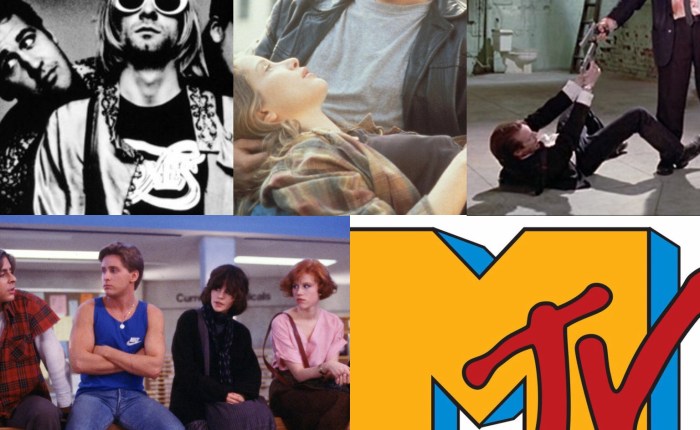
Now, many of the debt woes that plague both generations have gotten worse, like college loans. In this sense, Millenials are worse off in facing an even grimmer future. But let’s face it, they suck up too much oxygen in this room. Gen X deserves some attention too. Perhaps, their unflinching, shoe-gazing, Breakfast Club, Ethan Hawk-ish, Kurt Cobain, ironic ways have led them to sulk where others shout. Perhaps, these Boomers serving in office till they collapse hasn’t afforded them the chance to do the shouting. It’s difficult to ascertain exactly why they’ve been left in the dark but their influence may yet come (or comeback) to the forefront of our political and cultural zeitgeist.

To leave this destination-less fathoming on a note of some aplomb, I’d like to quote George Orwell (the Stephanie Meyer of his day): “Each generation imagines itself to be more intelligent than the one that went before it and the one that comes after it.” So the next time you’re thinking of those unyielding Boomers or those self-righteous Millenials or whatever Gen Z is, spare a thought for that kinda-somewhere-in-the-middle-but-not-really-generation that is Generation X.

And We’ll Never Be Royals

And We’ll Never Be Royals

Despite this site’s preoccupation with American culture and politics, every now and then, a story emerges so large and unimportant we feel the need to cover it. I am of course referring to the fiasco, the pandemonium, the chaos, and disorder of Harry and Meghan’s own Brexit. You see, despite their intentions to leave it all behind and start anew, they’re back out there, pursuing the spotlight with the fervent appetite of Prince Andrew at a Pizza Express. Why? Because they need to Speak. Their. Truth. 

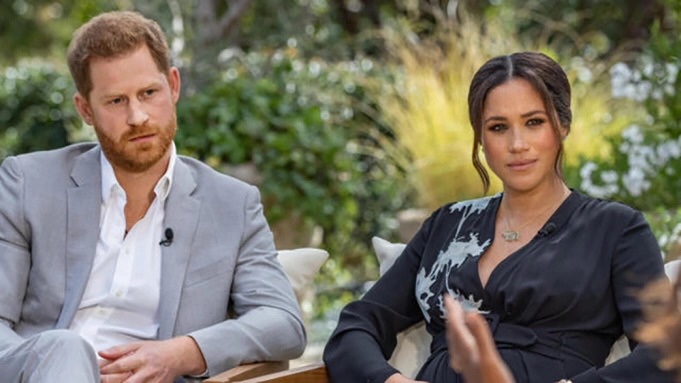
Where better to get a factual and dignified take of accounts too than the chicken-soup-for-the-soul odyssey that is Oprah!? No-one has the know-how and interrogative dynamism of the Queen of Media, whose line of questioning as teased in the trailer (“were you silent or silenced”) showed this was going to be anything but a walk in the park.

Of course, I’m not so heartless as to deem Harry and Meghan’s plight inauthentic or trivial. Certainly, the British media’s coverage has been hostile, bordering on psychotically obsessed at points. And if you find yourself saying “you know what, Piers Morgan has a point,” something has probably gone awry. (He stormed out of an interview when questioned about his constant attacks of Meghan. They once were friends or something so there’s a whole story there.) Plus, tabloids have spun the story so much that it’s hard to make heads or tail of when all this animosity began. And they’re trash. So on the whole, I do feel that Meghan Markle has been bullied.

On the surface, it seems Harry and Meghan have not navigated this tricky terrain with much tact however. Alternately torn between vague notions of privacy and stepping away or stepping back from the Royal Family, they’ve squandered a lot of good-will by doing such high profile interviews (worst of all, appearing on James Corden’s show; the lowest of the low) which has led to accusations of them wanting the glitz and the glamour but none of the baggage of that wacky family.

Now, they were never going to exactly be left alone (being Royals) and race has disgracefully played a part in the narrative surrounding Meghan, distinguishing her from the likes of Kate Middleton. The British press have painted her as something of a sorceress or spinner of webs; the Margery Tyrell of the Royal Family; a deviant, bent on pursuing the most delicious of all prizes, UNLIMITED POWER. Her claims, in stark contrast to this picture, were never going to be as credible since the press survive on perpetuating and repeating controversial claims, even if they’re outlandish or plain untrue. So, maybe appearing on Oprah is her chance to try win the people over, having been dogged by such spurious accounts of mischief while in reality, being bullied by the institution and the press. (Although really, she didn’t know what it would be like?)

It’s a catch-22, if that’s the case. By trying to restore her reputation in the public’s eyes, she’s reinforcing her image as an attention-seeking socialite. Perhaps a personal essay would have been a more dignified approach? But then, headlines amplify what essays don’t. Maybe another interviewer? Oprah’s great at what she does but a lot of her interviews feed into the tabloid style of things. Though… she does guarantee a wide net for viewership. In this respect, I’m quite sympathetic because I don’t know what exactly she can do to reverse people’s perceptions of her. Indeed, it’s hard to know what to believe in all this miasma of conflicting statements. Even some of her assertions have been contested (e.g. her son was never going to be a prince due to laws surrounding his not being direct in line to the throne).

What’s more important, however, is the archaic and hierarchical boundaries in which the Royal Family, as an institution, operate. In the interview, Harry claims that they are afraid of receiving negative coverage from the tabloids and as a result, give them special access. Therein lies the most significant point of the conversation; something we’ve always suspected (known) but is still quite shocking to have formalised by a prince.

Monarchy, as a system, is outdated. For whatever reason, many countries defend its existence with weak countenances of tradition, tourism, and symbolism against which politicians can be held to account. If we’re being honest though, none of that matters since nepotism, on this scale, is wrong. I can’t quite reconcile Harry and Meghan’s personal accounts with the way they’ve conducted themselves at all times but at least this interview might shed light on this eon-long system of oppression and abuse. After all, she’s been disparaged to the highest degree while the likes of Prince Andrew have been given a pass for far worse. Isn’t it time we held them all to account by the same standards?

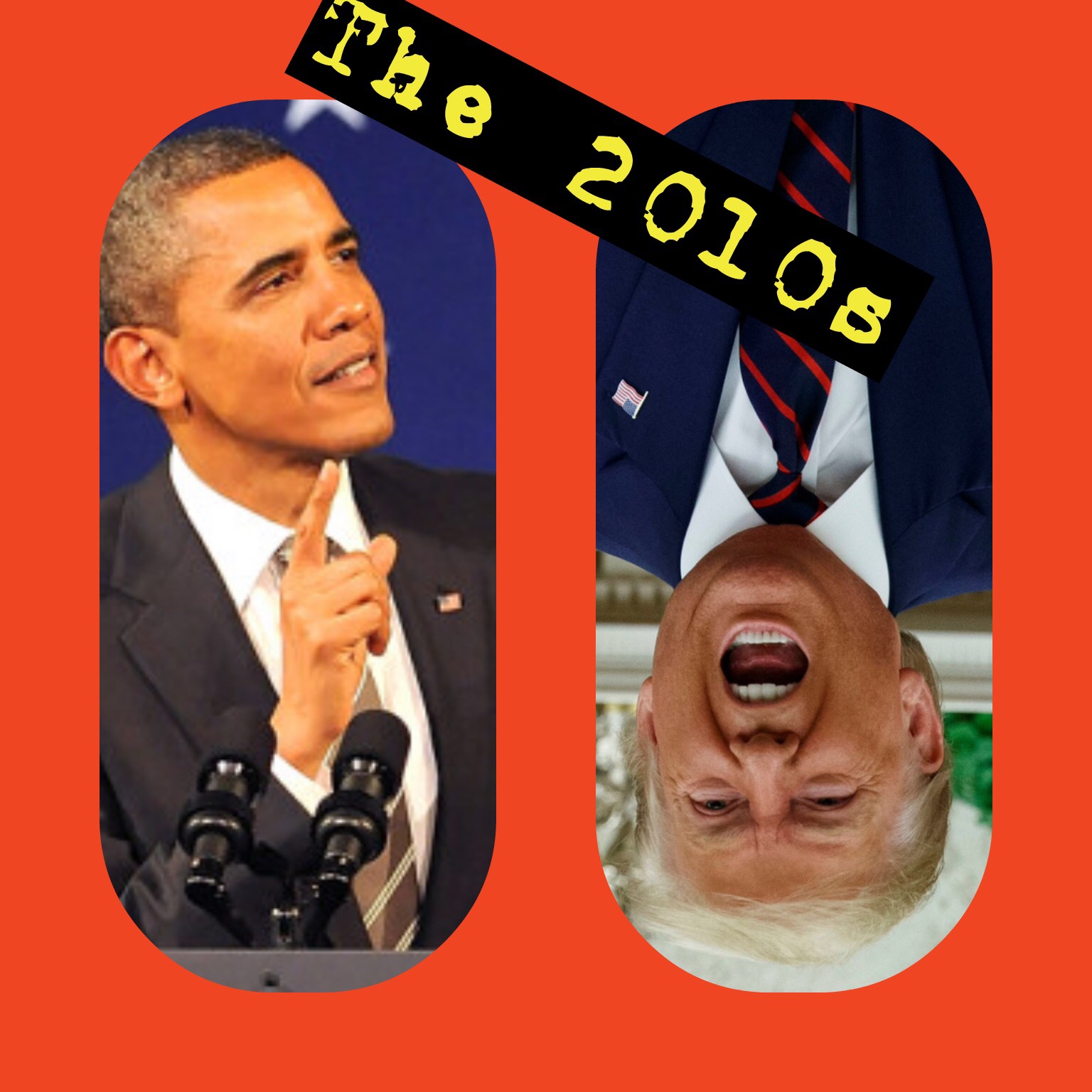
The 2010s: A Premature Evaluation

The 2010s: A Premature Evaluation

Hindsight Is Key

In 1992, Francis Fukuyama’s The End of History… suggested that with the end of the Cold War, humanity had reached an end/block point to the ideological evolution of the 20th century resulting in a broad acceptance of Western liberal democratic values. It was a stupendously general claim to make and one that would be criticised as new problems rose to take the place of the old. But if you take a step back, you’ll see how it is sometimes crucial for our understanding of history to get a broad overview before splitting stones because back then the US had very much started a new chapter of its story.

Hindsight is key for any proper historical evaluation. This article will simply not be able to capture the essence, key themes and ideas of the last decade; at least, not in a lasting way- primarily because, we don’t know what’s going to be important six months from now, let alone in 20 years. New information always becomes available and our core values change with each generation. Obama may be considered left of centre today but for future generations, he could be positively right-wing. Heck, Richard Nixon (the most flabbergasted of Republican presidents) established the Environmental Protection Agency.

Enough dawdling though; this context is important for the purpose of humility but it does not advance the story of the 2010s. What was this decade all about? How did America get from point A to point B? From Hope to Trump.

A New Generation

The millennials came of age this decade. Cast in the shadow of global austerity measures and economic hardship following the Financial Collapse of 2008, theirs (I say theirs, ours really) was a generation fraught with a unique level of anxiety. Many degrees were becoming increasingly less advantageous as job opportunities dried up and the unpaid internship net widened. It’s no wonder why, in this context, a sea of resentment festered; particularly against Boomers who wreaked prosperous opportunities in less tech-automated times whilst ignoring the most pressing issues facing the youth of today. As such, we’ve seen more people living at home for longer, trying for MAs, and adapting to a range of career positions; fluidity and creativity all the more pertinent.

Wall Street

Did the Obama administration fail this generation then by following in Bush’s lead in bailing out the banks? Intentions are certainly important; Obama did save America from the brink of a depression but the seeds of discord were planted in 2009 and the early 2010s. If millennials were to be denied the opportunities of their fathers or grandfathers, they’d at least strive to make their voices heard- which they very much have; for better and worse.

With regards the better, they (and Generation Z) have called for increasingly liberal stances on issues such as student fees, climate change, and health care. Whilst not altogether effective yet, the knocking on the government’s door has been getting louder and louder in recent years. How else would one explain the sensation that is Bernie Sanders; a candidate who probably wouldn’t have prospered this way in the 2000s. In another area, they have been more effective; calling for increased diversity in workplaces, media, and arts. Today’s music, TV, and film scene is a lot less white than it was 20 years ago.

With regards the worse, millennials are often seen (seen, don’t cancel me) as petty and entitled by the older generations (who in turn, have seemingly forgotten their responsibility to rear and guide their children). Is there truth to this? It’s a wild stereotype that’s limited but keeping in mind, the general overview from the intro, I’m inclined to believe that for all the good done with social media justice, there is an equal and lamentable drive for over-reaction. It is far too easy to get a rise out of people on social media or to have their television or film contract reassessed due to some stupid but ultimately unimportant remarks made in the past. On college campuses, speakers are protested for merely holding non-liberal views and as a result, many fear the very idea of free speech is under threat (especially when the term “hate speech” gets added to the mix). Outrage is an industry in and of itself.

Millennials can be said to be tolerant of anything but intolerance. Again, generally. At first glance, this may seem amicable and perfectly reasonable. Look at the strides made by the LGBTQ community this decade; today, people assess sexuality and gender in a far broader context than ten years ago. On the other hand, judgment has become popular and forgiveness is in short supply. This is not meant to advocate some false equivalency of opinion between liberals and conservatives but rather to point out that to effect change among certain groups, it is sometimes wise to speak rather than shout, listen so as to at least be cordial. This is as much a question of generational divide as it is political ideology; a great gulf has split people on subjects ranging from health care to gender neutral bathrooms. I believe we should let decency prevail where political correctness fails because there are numbers to be gained from the other side, especially in 2020.

With all that in mind, I don’t think millennials can be faulted for their intentions. Climate change does need to be addressed and for this reason alone, there is more hope to be found with 20- to 30-somethings than with our elders. The question looming over the 2020s on this issue, among others (like gun control) will be did they manage to tackle the problem effectively as well as righteously.

The Culture Wars (On Steroids)

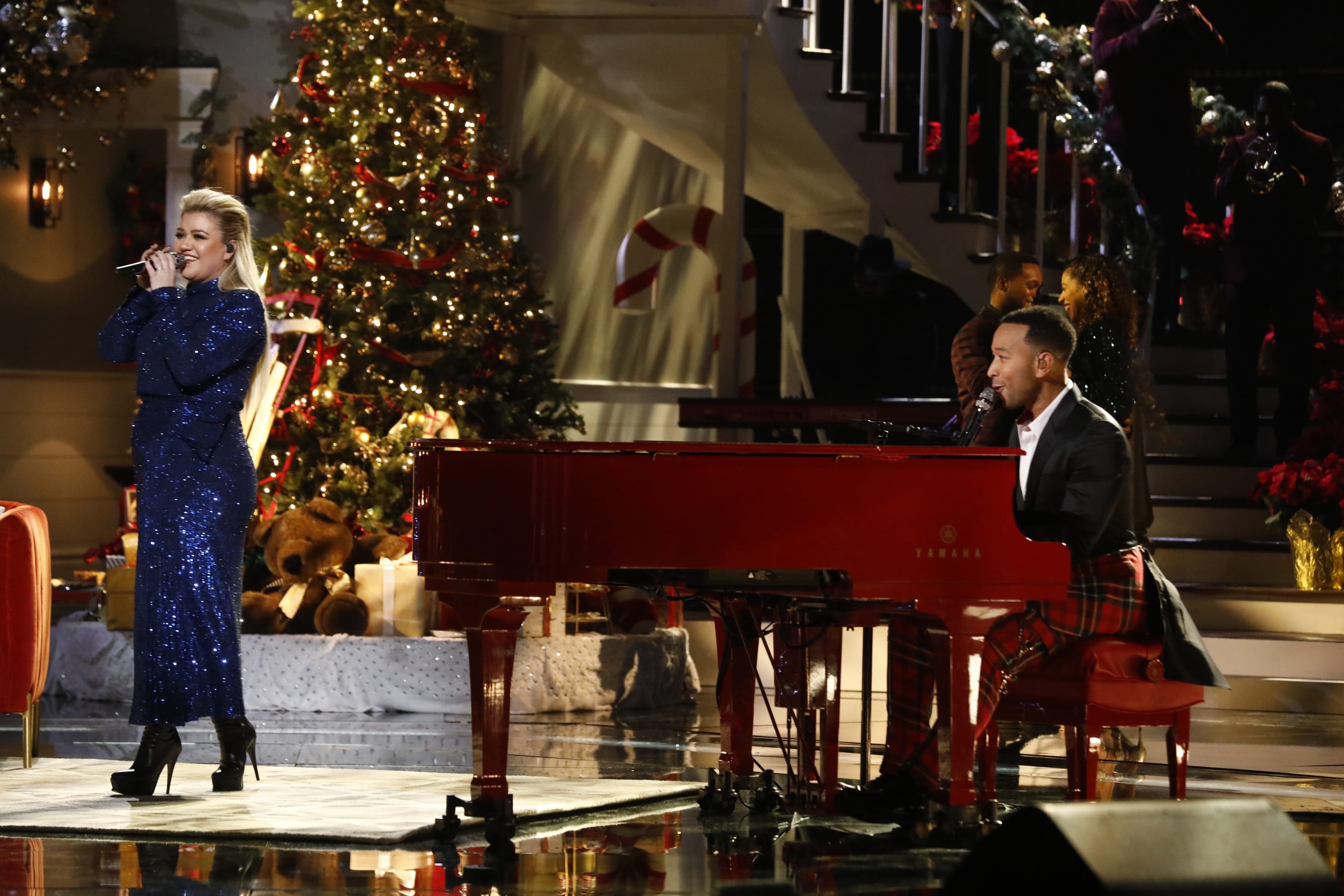
To explore this generational/ideological gulf further, we must assess why and how everything became so political. What do I mean? What talk show today doesn’t feature a joke about Trump? What books or movies or genres of music do well with one camp or with another? This isn’t exactly a new idea- the culture wars have long been prevalent in American society but nowadays, even a movie like Star Wars: The Last Jedi is read by some as a feminist assault on traditional cinema. The reactions to divisive projects like this are often downright ridiculous but they do have origins tales of their own; for just as diversity promised to enrich America’ cultural experience, there were those who felt the pendulum was moving a little too fast and in places with a little too much force (e.g. female reboots, politically correct re-workings). With the recent reaction to John Legend’s version of “Baby, It’s Cold Outside”, it’s fair to say that “woke culture” (to broaden this horizon) was given a bit of a slap in the face. The condemning of past opinions too (like John Wayne’s on race relations), while right, also seem trivial and petty. Will it be a case that liberals have to learn to pick their battles or will a dignified if self-righteous sense of morality prevail?

John Legend and Kelly Clarkson’s new version of “Baby, It’s Cold Outside” has been criticised as an example of the left pandering to minute sensitivities and PC culture.

Of course, the culture wars don’t matter to most people and outrage (built on Twitter feeds) has never truly reflected the actuality of common opinion. Clickbait journalism and not-even-trying-to-be-objective-anymore news stations have amplified once barely prevalent tensions. Controversy sells and as long as people relinquish their sacred duty for critical thinking (on the left and right), the battleground will continue to get muddier.

It’s also become harder to blend opposing facets of oneself. You vote Blue so you must adhere to every liberal constitution, right? Your favourite movie is Moonlight and you drive a hybrid? Where the divide between Democrats and Republicans has intensified on the actual issues, so too have the values associated with social liberals and conservatives. It may not come across on your social media field but there have been gay republicans and fervently religious but vegan democrats. Contradictions may arise if you take everything literally but people aren’t just what they wear, what they vote, or what they listen to. The idea of groupthink and identity politics may be useful for our understanding of certain privileges and economic disadvantages but it is fundamentally important to remember the individuals (sometimes) trapped within.

From Hope to Trump

So far, we have largely explored the emerging tide of liberal values among millennials as well as their shortcomings. While their voices may be heard across social media and campuses however, the real power now lies with a bizarre authoritarian right wing. Is this a reaction to political correctness? A reaction to an America older white people don’t recognise? To the failure and stalling of democracy? Obama? It’s hard to pin it down to one reason but most people would agree it is indeed a reaction.

Let’s go back to 2010. The economy is poor and health care legislation has been passed. The Republicans have amped up their objection to an 11. Will they undo Obama’s key piece of legislation? No. But they will use it as bait to take back both the House and Senate later that year and for the next six, make Obama’s presidency as much of a struggle as possible. Every time, a shooting occurs, they will keep focused and ensure protection of the NRA… I mean, the 2nd Amendment. Every time, a liberal piece of legislation comes forward from Obama, they will block it because they understand it to be good politics; the attack strategies of the last twenty years have worked, so why not? Thus, Obama is confined to foreign policy measures and acting where he can. To many, he appears weak.

Obama’s team is not willing to give up that easily however. There are cards to play and victories do emerge, even if they take time. One such victory was the assassination of Bin Laden in 2011, which undoubtedly helped push the re-election campaign along nicely. Beating Romney the following year also cemented his popularity, meaning he could argue his case to the public more frequently. The Iran Nuclear Deal and Gay Marriage followed in 2015 and all things considered, Obama had done a pretty good job with what he was given. So why was there such a fundamental shift in 2016?

For one, people underestimated just how important the appeal of Obama, himself, was. Hillarys politics may not have been miles off his but she simply couldn’t inspire the loyalty he did; he was one of the greatest orators of all time. As well as that however, Obama was unable to translate his messages across as those of the Democratic establishment. After all, they lost handily in 2014, even before Trump entered the picture. Perhaps because, for all their gesticulation, they couldn’t advertise themselves half as well as the GOP. Confidence it seems can be as toxic as it is appealing. That’s where Trump comes in.

Trump won, not because of the substance of his arguments but because of the way he projected them and himself. The Republican field toppled in the debates of late 2015 and all the while, throughout the primaries, we fooled ourselves into thinking this was some kind of joke. Brexit should’ve rang alarm bells. Trump getting the nomination should have too. But like an age-old tragedy, we followed the path blindly and suffered as a result.

If Trump wasn’t a traditional conservative, it didn’t matter at all. As stated earlier, Nixon established the EPA; so clearly this party’s open to whatever. And just like that, they all relinquished honesty and their duty for the sake of power (… Paul Ryan). The Democrats, on the other hand, may not have exactly appeased their camp but they did little to persuade voters, who could be turned, why theirs was a better one to join. Many liberals simply took to labelling Trump supporters stupid, racist, misogynistic, homophobic, and so on. This continues to be a mistake, in my view, and a crucial one differentiating many working class people struggling with every day economic opportunities from the elitist self-righteous liberals who know nothing of them.

Trump’s impeachment may get rid of the man but it won’t get rid of the problem because he’s as much a symptom of the ills dominating the bi-polarity of politics this decade as obtuse NRA support or further tax breaks for the 1% are. In a strange way, it’s odd that it’s taken so long for a clown to ascend to the throne considering the acrobatics and pantomime politicians perform but if anything should be clear to the Democrats now, it is that their battle will not end in 2020. Complacency has always been their problem.

A New Left

There is a spark of hope to be found in the Democratic Party however as we end the 2010s. For just as the right has moved beyond any nuance of centrism, the left has recognised its need to stake its own ground too. The campaign of Bernie in 2016 mobilised a movement the corporate Democrats simply didn’t understand; one that has already flourished with the election of candidates like Alexandria Occasion Cortes last year and the adoption of more liberal stances in the election field this year. The party is undergoing a period of transformation, having essentially spent the last 30 years meeting their adversaries in a compromised middle. Whether this will prove wise remains to be seen. Two schools of thought are currently battling it out to see who can take back those Trump voters; the more centrist likes of Joe Biden and the others like Bernie/Warren. Again, we see the political and the cultural dominoes of America falling in tandem.

As I’ve often stated in pieces on this site, I believe the issues should remain central to Bernie’s and other’s campaigns, not the bait Republicans masquerade as issues (e.g. patriotism) nor the scandals that get blown out of proportion (e.g. Hillary’s emails). So far, they seem to be on track but as the other elections of the 2010s have shown, the Republicans aren’t bad at winning.

In Summation

How strange the Clinton-Blair years now seem to us in a world turned upside down. Forests are burning, debts are rising, automation threatens millions of jobs, racism appears more openly acceptable, and James Corden has a chat show. The 2010s have been a scary time and they’ve only gotten more so; the fresh fruit of the Obama years now rotten to its core. Were we misguided by hope as we may be now? Possibly. I think, more likely however, voter apathy and perennial compromise by liberals beset on preaching without acting led to desperation.

In times of economic upheaval and vulnerability, radical ideologies become all the more appealing. That is not to say we will face a direct parallel with the 1930s and devolve into a fight between fascism, democracy, and communism but this sharp split is somewhat reminiscent. It will play out dramatically in next year’s election, which will be about much more than electing a new president; it’ll be about ratifying the course American culture will head in under the auspices of ideological, generational, and human values (or as Joe Biden put it, the “soul of America”).

The 2010s are yet foggy and there was a great deal more I could have explored (e.g. foreign policy, keyboard warriors, police brutality, #metoo, etc.) but a feint trajectory permeates this hew nonetheless; one linking our apathy and disinterest to upheaval and renewed activism. The people of today speak of politics far more than they did ten years ago. This is both a good and bad thing.