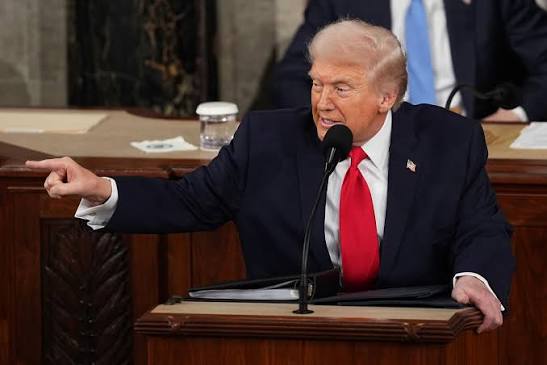
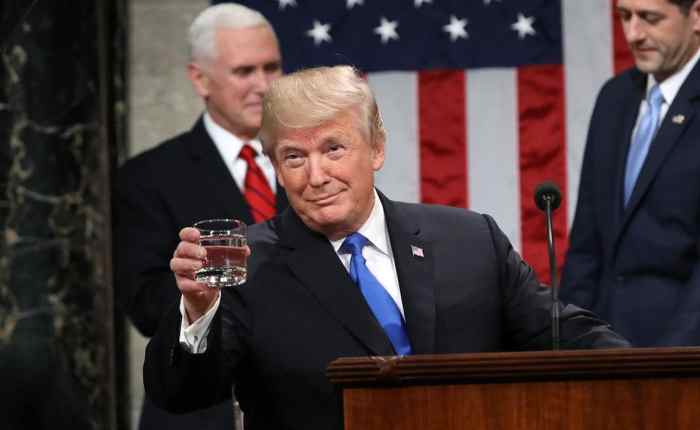
As the President meandered his way through another reality-distorting speech this past Tuesday (State of the Union), many renewed their wonderment as to just how far America’s strayed from its original intention. This July 4th will mark the 250th anniversary of the Declaration of Independence, which sought to remove the nation from the clutches of a monarchy and now more than ever, it feels like this same nation is careening towards a form of authoritarianism that would have its founders shook.
Where George Washington, no. 1, set precedence in choosing to not seek a third term, Trump, no. 45 and 47, has made passing reference on many occasions, including in this speech (“the first year of my second term, should be third term”) to staying on. Where others have shown restraint and considered economic and international co-operation, Trump has gone full Rambo with illegal tariffs (Supreme Court’s opinion, not mine). Where others were humbled by the office, Trump has made it a means to satisfy his cult of personality and for personal enrichment. Some might characterise these as dictator-like behaviours. Some. So how did we get here and (how) can we restore a semblance of order?
Well, the how we got here is fascinating but an odyssey in itself. To keep a long story short, we got here through a mix of complacency in our comfort, reasonable distrust in the traditional politics, economic mishaps, and the corrosion of decency in our culture. Trump has played his cards well with the media by turning the exhaustion of the outrage industry inwards, so that everything becomes washed and askew; just another controversy, par for the course. Truth be told, a lot of Americans sometimes genuinely feel a dictator is a price worth paying, in the face of economic uncertainty, congressional inaction, and a transforming world. (100 years ago this played out in a couple of other countries and while I wouldn’t want to make any dumb equivalencies here, I think it’s fair to say hard times can result in desperate measures and seemingly strong leadership rhetoric.)
Trump’s been emboldened too by the securing of a second term. It’s legitimised his claims, even if the people don’t necessarily agree with or prioritise his policies. From 2017 to 2021, he made great attempts at some of these but was largely blocked due to the novelty of his extremity and divided houses. This time around, he has a majority (albeit slim) and a pandemic/inflation-weary public. January 6th, 2021 and the denial of the previous year’s electoral results were a sign of dictatorial candour to come, of which the first year’s (of his second reign) actions has been complimentary, particularly with regards the tariffs. To quote himself, “[the only thing that can stop me] is my own morality… my own mind.” So that’s the mindset we’re dealing with here.
As aforementioned, the current president and the first differ in some fundamental respects, with regards power and their view of the office. The abuse of power has been questioned in between these periods of time however. Trump’s tenure will eventually end but will order be restored to the position thereafter? Will there be new legislation or re-enforcement of old legislation to define boundaries again? Take the course of American history from the 1930s to the 1960s, which saw this power increase as a result of swift action being necessitated in the context of the Great Depression, World War II, and Cold War. Following the unpopularity of the Vietnam War and the (let’s call them) challenges of the Nixon administration, concerns were addressed via the War Powers Resolution of 1973, Freedom of Information Act, and Congressional Budget Act of 1974. For a time, authority trended towards the House and Senate.
To be fair, it was never a smooth journey arguments can be made against Reagan, Bush, and Clinton for their foreign interventions (something Washington was against). Certainly too, America took a turn in the post 9/11 climate with the declaration of war against Iraq. There was something different in so far as these presidents were acting in accordance with controversial, if still backed ideas however. Trump, quite openly, acts of his own accord. So while foreign action is nothing new (if still something a president shouldn’t technically be in control of), the course he’s taken with disregarding national unity and a stable national government, shows just how far we’ve strayed from the first president’s conception of this role.
In the 1790s, Washington was revered to the point that many would have happily accepted him as a king. The two-term limit wasn’t formally established till after Franklin D. Roosevelt’s tenure but in stepping down before he had to, the first president set an example for the spirit of American democracy. Context changes, of course, but principles should not. Trump’s reach, particularly due to his cult of personality, may extend beyond his administrative role but I foresee a time that follows shortly thereafter when this role could be further checked on, as in the 1970s. It seems, as history is destined to repeat itself (if not echo), that we must be reminded, every now and again, why there is a system of checks and balances. In other words, democracy cannot be taken for granted.
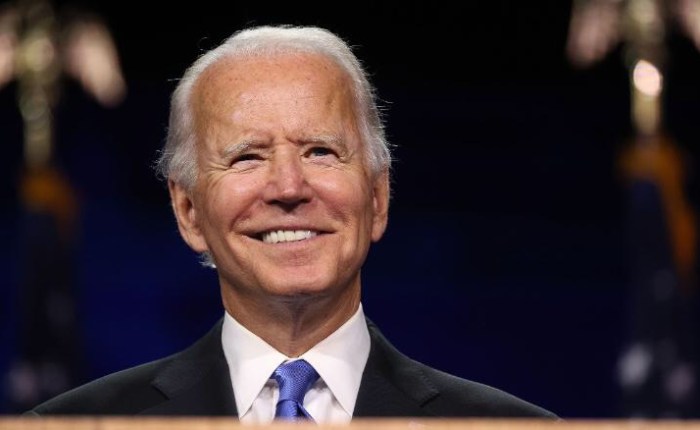
Had President Biden made the decision to withdraw from the 2024 race earlier, we might’ve been writing a much different story. Alas, his refusal to do so (in conjunction with his initial proposal that his presidency would mark a “bridge”- like transition to a new generation) will likely be the first thing people recount when asked about his legacy. As it stands, this legacy looks on the grim side of things; at least, according to a Gallup poll which showed 54% of Americans viewed him as a “below average” or “poor” leader. But… history has a way of changing perspectives and so in complete folly, we’re going to (already) try and take the longview in assessing this administration.
Well, it’s a bridge of some kind, albeit between two terms of Donald Trump. So assuming the historians hold true on their negative assessment of Trump’s tenure, they’re not going to be too pleased with Biden for enabling his comeback. Granted, a lot of that blame can be placed at the feet of top Democrat party heads too but the story of a fractured party, torn by generational and cultural values, doesn’t exactly help Biden’s case. Had a more effective coalition been built, there might’ve been proper competition for the MAGA crowd. Instead, this party floundered and yielded way for the return of a stronger Trump backing.
Granted, some of this was beyond Biden or Trump’s control. The chaos of the pandemic, for instance, was always going to have severe economic repercussions and this came in the shape of a massive 9% inflation rate in 2022. Like Jimmy Carter or any other unfortunate president before him, Biden simply had to take the hand he was dealt. To his credit, he passed sweeping legislation such as the Inflation Reduction Act to tackle this but since prices never went down, the average person was unable to see the benefits of such actions. In actuality, the economy has improved, with record-low employment and a record amount of applications for new businesses. In the next couple of years, Trump will undoubtedly take credit for the changes in fortune as they manifest more clearly. Unfortunately, sound economic policies just can’t be waved as a flag until everyone has else got theirs.
For that matter, the major achievements of the Biden presidency, such as the CHIPS act, his supports of unions, and infrastructure bill seem to pale against the half-glass empty analyses, i.e. the revelation that there are still some ways to go. This will always be true with regards any measures taken by a sitting president (who can only face tough decisions). For example, while the “Plan B” proposals of his student-loan forgiveness scheme were withdrawn, he still managed to achieve $180 billion in loan forgiveness.
And then there is foreign policy, where there are domestic differences to contend with. Given another era, there probably would’ve been a consensus in the US against Russia. In the 2020s however, there’s even a faction of Republicans who favour their former adversaries over the Democrats, complicating the funds appropriated for Ukraine’s defence. Biden has been steadfast in his support of NATO and a strong ally of Zelensky, but as Trump prepares to take office again, a question mark lingers over how this will resolve. With the Palestine-Israel war then, we have seen divided opinions in the US on an ethnic and generational level. This has marked a shift away from the broad support Israel was once guaranteed there, with critics of Biden’s (and continued US foreign policy) arguing he’s helped facilitate war crimes in the Gaza Strip, failing to ever hold Prime Minister Netanyahu’s government to account. Should the very recent ceasefire hold, Biden might be looked on with some deference eventually, though it’ll be eternally countered with questions of why he couldn’t have pushed for peace sooner. This will also likely go down as the most contentious foreign policy decision of any president since George W Bush. We’re also going to have to contend with speculation on whether the incoming Trump administration was a greater factor in allowing this to pass.
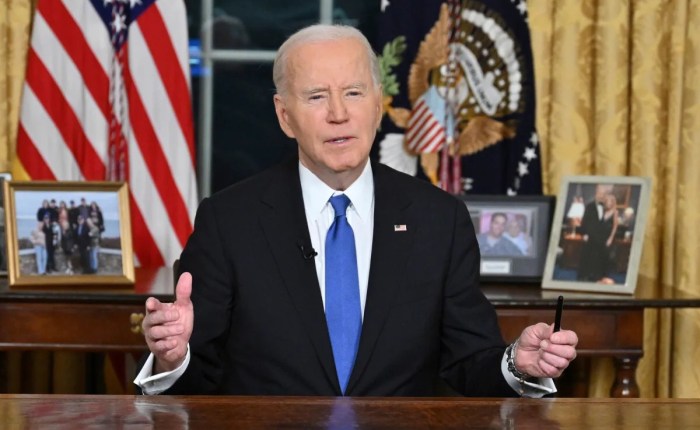
Whichever way you look at the Biden presidency, Donald Trump seems to hover over it at every turn. The return to “normalcy” or the goal of “restoring the soul of the nation” has either fallen flat or been dismissed as liberal hogwash. Trump has, in a sense, been legitimised this time around; by virtue of winning the popular vote and the Democrats’ own flawed power dynamics leading to their own downfall. And despite a relatively decent farewell address, one can’t help but roll their eyes when Biden warns against the abuse of power, weeks after pardoning his own son (who apparently was above the law). The problem remains that the top Democratic Party members appear too elitist, slow, and out of touch with the people. And for much of Biden’s term, that image was capitalised on, with every stutter and pause exemplified to the Republicans’ benefit. As it stands, the Democrats are weakened and down on their luck. Of course, they’ve been handed major defeats in the past and come back before but it’ll take a proper chance to mobilise their base next time; a new generation with some authenticity. If one thing can be learned from these last few years, whether with the election or Biden’s cognitive decline, it is that you can’t pull the wool over the people’s eyes forever.
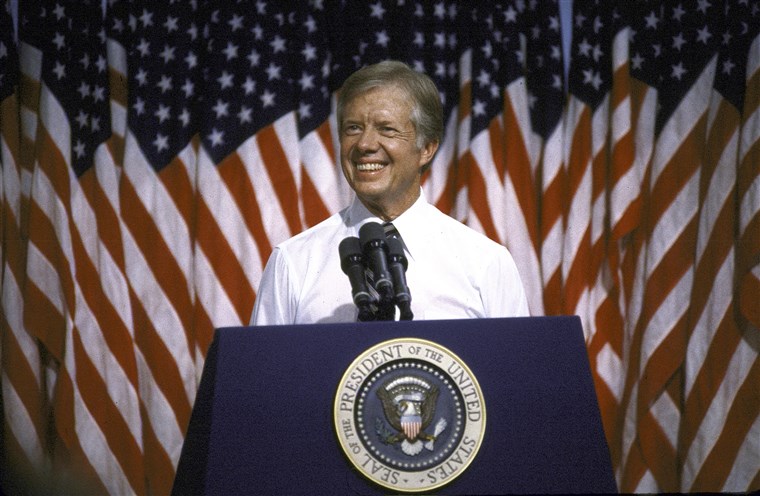
The passing of the 39th president comes with a sense forlornness for the times and values now lost to us. In the summer of 1979, as inflation and the energy crisis dampened the American spirit, Carter came to address the nation, not with a false message of hope and optimism, but with a sincere and honest warning. “Human identity is no longer defined by what one does” he said, “but by what one owns.” Well, nearly half a century on, this concern resonates like something of a prophecy.
Carter was an unusual case in the presidency; an outsider with values that didn’t gel with the elite of Washington. Namely, honesty. This of course led to a lot of difficulties when it came to pushing through tough bills addressing inflation and the energy crisis. He also clashed with key figures in his own party and even faced an internal challenge for the candidacy in 1980 with Ted Kennedy. Ultimately then, he would be rejected at the polls when faced with the patriotic message of Ronald Reagan. Throughout however, he appealed to the good will of the people, setting an example to follow (by reducing the heating in the White House and donning a sweater and installing solar panels with respects energy; getting out of the limo to walk on Inauguration Day to demonstrate change; and devoting himself day and night in his final months in office to freeing the hostages). His legacy, as a result, rests more on the nature of his character and intrigues of what could’ve been, than the actualities that occurred.
To be fair, even his most ardent fans (which I consider myself one of) can’t argue this was a wholly successful presidency however. Had he co-operated a bit more with the Democratic Party and compromised for political capital, things might have gone differently in 1980. As it was, Carter did what he could at the time, chipping away his political lustre by eliminating what he deemed wasteful projects and pushing for the return of the Panama Canal, among other things. The American people, it seemed, just weren’t willing to accept hard times and pivoted to Reagan and the era of “greed is good” as a result. For awhile then they felt good as the economy improved and the Cold War came to a close with the US emerging victorious. In these important years however, the groundworks for unfettered capitalist (trickle-down) economics and sketchy politics were normalised, rotting away at the core of America. In light of how things have gone, one can’t help but wonder where the US would be today had they taken a second chance on Carter.
Would the US be less reliant on foreign energy? Would the world be in a better place to tackle climate change, given the emphasis placed on solar power? Would further peace talks have taken place in the Middle East, buoyed by the success of the Camp David agreement between Israel and Egypt? Would there be less of a gulf between rich and poor, assuming Reagan’s economic policies failed to come to pass? Would national health insurance have become a thing much earlier? (Carter came close until Ted Kennedy withdrew from negotiations, aiming to bolster his chances at the presidency.) It’s difficult to say, since the presidency is only one cog in the machine but Carter’s second term is one of the most intriguing “what ifs” for me, because he was genuinely different from any other president; far less beholden to the two-party system or short-term political gains. Not a Republic but not exactly a Democrat either (at least for the times) Alas, perhaps it is what we most admire about Carter that made him susceptible to the pit-falls of Washington. The post-presidency of course became a whole other story, affirming what Carter’s supporters always knew about him (with regards his commitment to human rights and service), while forcing his detractors the addendum that he was at least a “great man”.
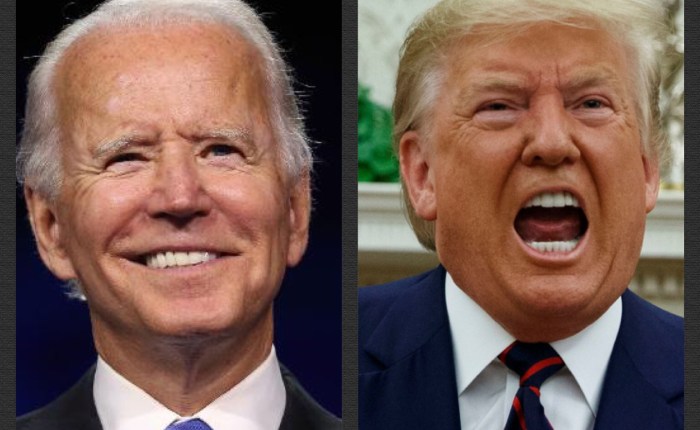
Back in September 2020, myself and a couple of friends discussed whether or not it was worthwhile for Joe Biden to debate Donald Trump. While the former president and clown prince of crime’s theatrics would surely play off the televised medium more fancifully, we felt it was important for Biden to take a stance in establishing normality again. Now, four year later, things have changed. The once-challenger, now incumbent has added much clout to his nickname “Sleepy Joe”, thanks to a number of recent bewildering public appearances, whilst his opponent has racked up an array of criminal charges, already convicted of one. Neither prospect is exactly gleaming in the eyes of the public, with a recent CBS poll showing Trump leading by just 1%. Will Thursday’s debate change much? Given how polarised the country has gotten, probably not. Nevertheless, I thought it worth exploring anyways for the heck of it.
Firstly, we should acknowledge how two rules, crucially, seem to suit Biden more: that there will be no audience and mics will be muted when the other person is speaking. Lame. On the other hand, there will be no pre-written notes either, which is fine for Trump since many of his best zingers seem to have come out of the moment, particularly in 2016. So if he can produce a couple of new greatest hits (in line with “weak-sauce Jeb” and “I should’ve won [the Emmy]”, then Biden may be in trouble. His material simply isn’t as entertaining. Having said that, we didn’t see as much of that as in 2020, when Trump’s maverick status had started to veer from hilarious if dumb to deranged if occasionally hilarious.
Supposing “the issues” come up in this debate, the candidates will likely spar on inflation, immigration, Roe v. Wade, and funding for Ukraine, among other matters. (Undoubtedly, the culture wars will seep into the mix too, since both sides see each other as an existential treat to the country vis a vis the fight for democracy, lawlessness, the far left, and so on.) Biden will make the case for an economic success story, which he can back up with GDP and unemployment figures. Trump will argue inflation has been a disaster for the country and that people’s wages travelled a lot further four years ago (from the book of Reagan). In tandem with this, he may throw his lot in with the Republicans questioning how much money should be put into defending Ukraine. Then, he may move onto the border. It depends how much time is wasted and what questions are asked (maybe that doesn’t even matter).
Biden will be on the defensive against a range of broad accusations and probable lies. Since perception becomes reality and the visual spectacle matters as much (if not more) than the content of what they’re saying, combatting them one by one may not prove the most effective strategy. Debates have swung one way or another for a variety of reasons, from JFK wearing makeup in 1960 to George HW Bush checking his watch during a question in 1992. Given the narrative that the president’s not “all there”, he needs to be as sharp as possible and to the point without any stammering or lost gazes.
Should Biden choose to hammer on the point of Trump’s multiple legal troubles, he will of course have to answer for his son, Hunter. Many people will of course come to the lazy false equivalency that both candidates are mixed up in corruption and so “it’s a wash”, but to Biden’s credit, he never tried to intervene or stir the legal course of action with regards Hunter’s mishaps. Perhaps that can be used to his advantage. Perhaps he can point to the kind of accountability he and his family take, which Trump has tried to elude and undermine. Perhaps that will work…. Though perhaps not.
One of the main issues Biden has returned to in his case against Trump is the January 6th Capitol Insurrection. This will likely be a talking point which he can exploit by asking Trump if he will concede the election should he lose again. I’m not sure what Trump’s strategy will be here, other than to deflect to other matters and emphasise the bias of the mainstream media against him. He will have to try wiggle out of it somehow and Biden, in turn, will have to keep the spotlight on this. But again, since everything’s so politicised and since three and a half years have passed since, this also may not matter much.
If I were to advise, without any moral culpability, I’d tell Trump to needle the president on the devastating effects of inflation on the average person and crime in America. For Biden, I would advise trying to keep up his 2020 performance, while pushing Trump on January 6th and how disastrous his first term was, thus resulting in him “losing” (emphasise that word) the last time. At this point, I predict a Biden victory in November (if a lesser one than before). While Trump’s percentage lead is not to be dismissed, he has come down in the last couple of months and come election time, he’ll have been raked through the fire a lot more than he has been the last couple of years, in which he’s been uncharacteristically absent from the spotlight. (Relatively speaking.)
In a recent CBS/YouGov poll, 59% of people questioned described the current economy as “bad”, with nearly 2/3 believing it was stronger during the Trump administration. This stands in sharp contrast to what the experts are saying and what the numbers show: GDP growth was 3.3% last quarter, unemployment down to a record-low of 3.4% (from 6.9% when Biden took office), consumer spending is up, inflation is down, etc. The fact of the matter is, despite these impressive indicators, the “average Joe” just isn’t feeling the good times or benefits. This can likely be attributed to years of price increases prior to recent change, the uncertainty of the Covid years, and staggering interest rates. In tandem with the general politicised air of today, people feel vulnerable to what’s been described as the “vibecession”, an addendum to the “perception becomes reality” thesis.
Needless to say, this is a major problem for the Biden camp as the election approaches. As with our last piece on Biden’s presentation of his age, it’s not necessarily effective to just state that everything is fine or “the economy is strong”. The lapse in credibility comes from the day-to-day reality of gas and grocery prices; the latter of which have remained high despite the slow-down of inflation in the past year. Indeed, the gravest mistake the Biden camp has made in this respect has been to emphasise this improvement, while blatantly ignoring how desperate the rate of inflation was in 2022 (8%). Either side of that (4.7% in 2021 and 4.1% in 2023) aren’t exactly great either, when you compare with the 2010s’ figures (e.g. 1.8% in 2019). So while the economy is on the right path, people are still feeling that 11% increase in grocery prices (2021-22), which normally would have been a 2% annual increase.
As elections are largely media driven, we must remind ourselves that fear is unfortunately a big selling point too. Therein, the anxiety surrounding what may come seems to be more pressing than ever. As the invasion of Ukraine sent energy prices skyrocketing (albeit far more in Europe), people have become wary of international affairs having knock-on effects. The beginning of last year was marked by reports of massive layoffs in the tech industry. AI meanwhile, hovers as a merciless shadow over the proceedings of so many more. The housing market, of course, remains a mess as people resist selling, lest they lose optimal interest rates. And some economists have speculated that recent consumer spending (or splurging) could create vulnerability in the market going forward. It may be a glass-half-empty approach to looking at things, but the notion of a “vibecession” (while cringeworthy as a term) is not a merit-less one.
Again, it takes time for economic improvement to translate into reality. Back in 1992, George HW Bush’s electoral hopes were partially dashed by an 8-month recession (which ended in March 1991). The sluggish recovery cast doubts on his ability to govern domestically, leading to the popular slogan employed by the Clinton camp: “it’s the economy, stupid”. A compromise on his 1988 “no new taxes” pledge had actually helped set the stage for the growth of the 1990s but alas, despite recovery by the election, Bush’s image never faired as successfully.
Will Biden’s? There has been a longer stretch of economic prosperity than in 1992 (unfortunately mired by high inflation rates) but should things keel out and continue as they are, I think there’s cause for optimism in his camp. There’s still eight months to go and the creation of new jobs and businesses are likely to bolster his image. But it’ll take some strategic selling and frankness. As with the matter of age, perhaps Biden needs to acknowledge the perception out there; how devastating inflation’s been, while promising in turn to challenge unjust profits on the parts of certain corporations. He took a step in this direction during a Super-Bowl break, by addressing the scandal that is “shrinkflation” (where product sizes shrink but prices remain high; this is whole other article though so I won’t delve deeper for now.) He needs to continue fighting for an economy that works for low- and middle-income families, via cost of living prices, as well as the bigger picture trends of GDP and employment. Again, it’s the perception that becomes reality.
Depending on your source, an alleged 3/4 Americans have “concerns” about President Biden’s age (81), including 50% of Democrats. As the oldest president in American history, it was inevitable that this would become bait for opposition. After all, it’s easy and it’s sort of fair… just as a general observation of humanity and what old age does to people. Unlike in 2020 too, the Republicans now have years of press conferences and interviews to pick a part then cut back together as presentations and memes of cognitive decline. The Democratic establishment have held steady on their candidate but even with a slew of legal landslides coming against Trump, we can still see many sweating. This is why I’ve taken it upon myself to offer some practical advice for Biden’s team in how they respond to these criticisms because so far it’s not been great.
To offer some additional context here: at a press conference earlier this month, he angrily rebutted a journalist’s claims that these were valid concerns before going on to mix up Egypt and Mexico on another topic. He also recently mixed up the president of France with a former president, Francois Mitterrand, who died in 1996. So… not great. This week, he stopped by “Late Night with Seth Meyers” for what was a fairly softball interview. Seth asked about his age and while Biden was relatively strident in his response, he immediately began to offer comparisons between himself and the mad man, Donald J. Trump; in effect, saying “you know what’s old? Trump’s ideas”. Fair enough. The ideas are what are most important. But is that really the way to handle this? It’s a pivot which shows he’s not really capable of debunking the wider criticism of cognitive decline. It’s a pivot away from a question of character to one of policy. The kind of answer that irritates rather than impresses.
Biden simply needs to accept and address this question more gracefully. He can’t outrun it. So what I would propose is that he leans into it as Ronald Reagan so expertly did in 1984 against Walter Mondale: “I will not exploit for political purposes, my opponent’s youth and inexperience.” Now obviously, don’t say that verbatim; Trump’s already been president, but you get the gist. Employ a little humour. Hire some joke writers. Take control of the story. Then… as he’s already done, you can reiterate that while you are indeed old, your ideas are not. On top of that, you’ve got a great team behind you and have a successful term already behind you. A record you can exploit. And why not; with wisdom comes age.
By trying to manipulate this narrative or avoid answering the question directly, Biden can be painted as distracted, if not delusional. While he’s always been prone to gaffes and the odd stutter however, part of his appeal lies in his kooky grandfather persona. Occasionally not with it but ultimately, empathetic and kind-hearted. He’s the nice candidate, where Trump’s the bullish blowhard. Having a president at 81 isn’t exactly anyone’s ideal situation but in a contest of character and policy, this should be a lot easier than it’s proven thus far. Sometimes you just have to take the card your dealt. With cost of living prices still proving problematic and crises abroad, you can’t convince the public that the economy or international security is strong but what you can do is reassure them that the right man is at the wheel.
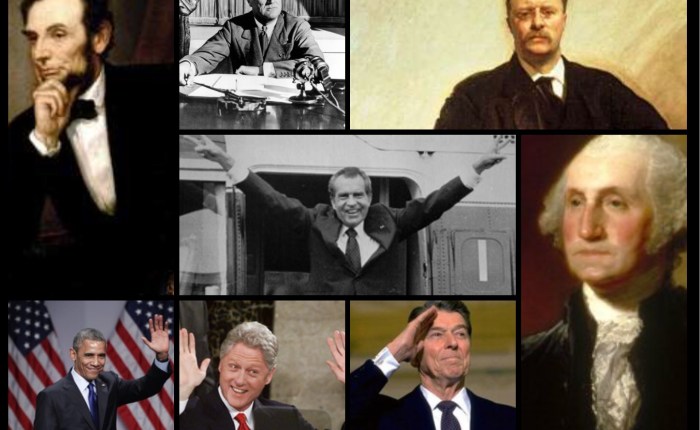
There’s no easy way to do this. Each US President existed in a different context of the young nation’s history and had unique challenges to face; be it economical (with the Panic of 1837 or The Great Depression after 1929), wartime (World War 2), or domestic (slavery). Each had external factors preying on their ability to do the job; from congressional layout to crises (e.g. 9/11) and world-changing dynamics (inflation in the ’70s). Each had different cabinets of support and varying levels of opposition (publicly, politically, and commercially). Really, one could argue it’s not even fair to judge the likes of Washington (from a simpler but creative period for government) against say, Bill Clinton, operating under a much more complex system. However… we’re going to anyways.
How exactly? Well, by accounting for their successes in foreign policy, economics, domestic policy, agenda set, public persuasion, and so on and so forth… Yes, all that, but mainly by addressing the central question: did they live up to the challenges of their time? And don’t worry, we’ll provide justification for these rankings- some may shock you given past rankings on other sites (sorry Andrew Jackson fans) but know this- plenty of thought has been given for each choice- this wasn’t some mere cut and paste job with a few throw-arounds for controversy.
Also, we will be excluding two presidents from this list: Joe Biden and William Henry Harrison. Joe; because, well, he’s not completed a year yet- although if push came to shove, I’d rank him around 15 for a strong response to Covid 19, with partial responsibility for the disastrous end to the Afghanistan war. And William H. Harrison? He served only 30 days in office, dying from pneumonia which he likely contracted after giving a tediously long inauguration speech in the cold. A lot of lists place him around 40, which I consider harsh. So let’s do the honourable thing and just bash his grandson who later became president.
Anyways, without further ado:
43. Andrew Johnson (1865-1869)
One of three impeached presidents, Andrew Johnson assumed the job in the wake of Lincoln’s assassination and made a perpetual fool of himself by attempting to go back on much of what just been achieved in the Civil War. He opposed the 14th Amendment which granted citizenship to former slaves and acted in a cantankerous manner, causing great friction with Congress, who passed the Tenure of Office Act (restricting Johnson’s ability to fire Cabinet officials). He was only acquitted because no one saw any chance of his re-election (which they were right about).
42. Donald J. Trump (2017-2021)
The former Apprentice host sowed a great deal of division in the country, inspiring renewed racist fervour and idiocy amongst his cohorts and followers. His outlandish statements aside, he will be remembered for making the pandemic far more devastating than it needed to be by spreading misinformation; corruption and nepotism; and refusing to take election results seriously, leading to a national insurrection on the Capitol building in January of this year.
41. James Buchanan (1857-1861)
At a time when decisive leadership was needed, James Buchanan essentially sat out the slavery issue, setting the stage for the secession of the southern states upon Lincoln’s election.
40. Franklin Pierce (1853-1857)
Theodore Roosevelt wrote of him as a “servile tool of men worse than himself… ever ready to do any work the slavery leaders set him”. Pierce is best remembered for failing to secure sectional conciliation, supporting the Kansas-Nebraska Act of 1854, and aiding the downfall of the Democratic Party for decades to come.
39. Herbert Hoover (1929-1933)
Named after something that literally sucks, Herbert Hoover failed to address one of the great calamities of the 20th Century: The Great Depression. His perceived lack of concern resulted in shanty towns being called “Hoovervilles” while his tariff act (fuelling an international trade war) only served to make things worse.
38. Andrew Jackson (1829-1837)
There was a time when this (literal) mad-man was once considered a top 15. In recent years, historians have re-addressed his legacy as that of an American Caesar whose Native Removal policy stands as one of the most heinous of policies ever committed to American soil. Sure, he was the father of the Democratic Party but that doesn’t acquit him of these horrendous charges. Sure, he was a “man of the people” and not one of the elites but his assault on the banks contributed to the Panic of 1837. So beyond these basic labels, why is he held to such lofty heights? (Also, Trump admired him.)
37. John Tyler (1841-1845)
John Tyler succeeded the month-long presidency of William H. Harrison, seeking to establish the legitimacy of his leadership. He even believed the President should set policy rather than Congress. To this end, he was referred to as “His Accidency” by the Whigs. Sick burn.
36. George W. Bush (2001-2009)
Iraq. The economic crash. Besides that, seems an affable enough fellow.
35. Warren G. Harding (1921-1923)
Harding is usually ranked in the bottom three but beyond his innate incompetence (which he at least admitted to), I don’t consider his (albeit corrupt) administration to be particularly damaging to the US. (He, at least, acknowledged that democracy was a “lie” without political equality for black citizens. He didn’t do anything about it but he acknowledged it.)
34. Millard Fillmore (1850-1853)
Another spineless leader in the vein of Buchanan, Fillmore’s support of the 1850 compromise opened up the territories of the Mexican Cession to slavery and allowed for the return of escaped slaves to those who claimed ownership. Harry Truman called him a “weak, trivial thumb-twaddler who would do nothing to offend anyone”.
33. Martin Van Buren (1837-1841)
More like Van Burden, am I right? Van Buren continued Andrew Jackson’s policy of Native Removal and denied the application of Texas to the Union. His presidency was also mired by the Panic of 1837. (Interesting bit of trivia for you: Van Buren was a member of the Old Kindergarten Club for which to gain access you had to say “okay”, thus originating the term.)
32. Rutherford B. Hayes (1877-1881)
Hayes’ era essentially marked an end to Reconstruction and inconsistent civil service reform. He also championed the Gold Standard and broke the Great Strike of 1877. Nothing particularly striking or memorable or interesting here.
31. Zachary Taylor (1849-1850)
A mess of contradictions: owned slaves but wanted to ban the expansion of slavery into western territories conquered from Mexico; a military triumph in that war who wasn’t particularly keen on Manifest Destiny (expanding US borders); a decisive commander in battle who avoided tough decisions as President. Given his strong commitment to the union, historians wonder (had he lived) whether the Compromise of 1850 or the Civil War would have occurred.
30. Benjamin Harrison (1889-1893)
The grandson of former President William H., he was committed to voting rights for African Americans but economically uncertain of how to handle the nation’s affairs, resulting in the 1893 crash.
29. William Howard Taft (1909-1913)
Once the promising successor to Teddy Roosevelt, committed to 80 antitrust suits against large industries, he disappointed his predecessor by reneging and falling into place among the more conservative members of the Republican Party. This led to old Teddy mounting a race against him in 1912 under the “Bull-Moose” party. Both would lose, leading to the Democrat Woodrow Wilson’s rise.
28. Grover Cleveland (1885-1889 and 1893-1897)
Two non-consecutive terms? Oh, you better believe it happened! If people expected Cleveland to have improved in his off-years, they were sorely disappointed though when he was dealt the hand of the 1893 crash which he failed to deal with adequately. This resulted in Democrats losing support everywhere but the Deep South.
27. Calvin Coolidge (1923-1929)
Harding’s successor has attained some historical reassessment on the part of classic Republicans who admired his small-government and laissez-faire economic approach. He helped restore the reputation of the White House following the corruption scandals of Harding’s cohorts but largely detached himself from the job; infamously sleeping during the day and avoiding mingling with guests. Upon his death, Dorothy Parker remarked “how can they tell?’
26. Chester A. Arthur (1881-1885)
Given some of his past associations in business dealings, people expected him to be more corrupt than he was. He fought the spoils patronage system he’d supported in New York and advocated tariff relief for businesses and tackled civil service reform. It doesn’t say much though when your reputation, at best, surmounts to: “well, I guess he wasn’t that bad”.
25. James Garfield (1881)
He only served a few months but contemporaries were impressed by his handling of Roscoe Conkling; a New York senator trying to push his agenda and men in high positions. Historians call him a “what if?”
24. Gerald Ford (1974-1977)
Ford’s rise to power was particularly incidental, taking over for Spiro Agnew as VP before taking over the main post when Nixon resigned. A generally decent and uncontroversial politician, Ford, unfortunately wasn’t a great communicator, even if his pardon of Nixon was intended to help move a damaged nation on.
23. Richard Nixon (1969-1974)
Besides that whole Watergate thing, Nixon wasn’t a terrible president. Strategically minded, he approached the Cold War in a more pragmatic way than his predecessors or successors ever did, resulting in the first SALT treaty and the opening of relations with China. He even tried his hand at a health care plan and established the Environmental Protection Agency.
22. John Quincy Adams (1825-1829)
The son of John Adams served as Secretary of State and a senator before becoming president and as a representative after. It’s fair to say he’s best remembered for his later achievements there, focusing on the anti slavery movement. As the nation’s leader, he was generally considered to be too uncompromising to achieve much in an increasingly political age.
21. Jimmy Carter (1977-1981)
Alas. My favourite president in essence and character but unfortunately not one with the most impressive record, even though he was the only post WW2 leader to not launch a missile. A true Washington “outsider”, Carter’s reign was beset by out-of-control issues like inflation and (more in control issues like) poor congressional relations. In my opinion, he was ahead of his time but legacies rest on effective, perceptible changes and not just rhetoric.
20. John Adams (1797-1801)
Being one of the OGs is a surefire way to knock yourself up the list but Adams paled in comparison to Washington and Jefferson, signing the controversial Alien and Seditions Act which included powers to deport foreigners and make it harder for new immigrants to vote; strange cause for a newly built nation but then it’s hard to find a footing in those early days. He gets marks for not expanding the naval war with France into a greater conflict, however.
19. James Polk (1845-1849)
A lot of land acquisition went on during Polk’s term; Oregon, California, and New Mexico, notably. He also settled the Texas border dispute, established the federal depository system, and lowered tariff rates. Simply put, one of the most accomplished presidents there ever was. Critics charge however that his underestimation of the Mexican War’s effects paved the way for sectional conflict and the troubles that ensued over the next decade.
18. James Madison (1809-1817)
The war of 1812 was seen as unnecessary by some and as something of a 2nd war of independence to others. The new nation, either way, cemented its foundations in this test.
17. Ronald Reagan (1981-1989)
Reagan’s often ranked in the top ten and I can see why… kind of. A great communicator, Reagan brought hope to a nation deflated by inflation, Vietnam, Watergate, and perceived ineffective leadership. He amped the Cold War back up in its last days, oversaw a more prosperous era (while setting the stage with his trickle-down economics for a latter recession) and delivered some great jokes. Let’s face it though; he stumbled when it came to talking specifics, didn’t handle the AIDS epidemic well, and of course, that whole Iran-Contra thing. Sorry Reagan fans. If it’s any consolation, I still like him! What a character.
16. Ulysses S. Grant (1869-1877)
Grant’s administration was wrought by scandals involving bribes and a whiskey ring, tarnishing his image for years to come (even though he didn’t personally benefit from the crimes). If we look beyond that, he was actually a pretty effective president who worked to stabilise the post-war national economy, support reconstruction, and crush the KKK.
15. William McKinley (1897-1901)
McKinley’s presidency marked the emergence of an imperial era for the US as he declared war with Spain over Cuban independence. He was also the first president to actively engage the media by holding press conferences and he went on national tours to speak with voters. A new day had come.
14. James Monroe (1817-1825)
Monroe helped further the nationalistic cause by reaching out to all parts of the then smaller US, separating their course and interests from Europe’s with the Monroe Doctrine. Florida was also acquired during his tenure.
13. Woodrow Wilson (1913-1921)
Despite being one of America’s most well educated leaders, Wilson held regressive viewpoints for race relations (even for his time). He’s ranked lowly in that regard but otherwise highly for guiding America through World War One and establishing the League of Nations, as well as banking reform, supporting labour and collective bargaining, and more.
12. John F. Kennedy (1961-1963)
I give some props for rhetoric and inspiring people but when it comes to actual legislative achievement, there’s not much to be said for JFK. And while, yes, he resolved the Cuban Missile Crisis with dramatic flair, he played a major role in starting it. And he set the stage for Vietnam. A great deal of his mythos has been born out of his untimely assassination. Again though, that inspiring stuff does count for something and let’s face it- it’s endured.
11. George H.W. Bush (1989-1993)
The senior Bush’s reputation has improved in recent years, probably as a result of people’s nostalgic yearning for a conservative who could be flexible. His 1990 tax hike might have irked his supporters after the reticence of his “no new taxes” election pledge but it was the right and responsible thing to do. Plus, on the world stage, he was very well respected for his even tempered, strategic diplomacy- too humble for most when the Berlin Wall fell and too cautious for others who wanted the Gulf War victory to lead onto further gains in Iraq (we later learned how that would work out). A very underrated president, in my opinion; he simply couldn’t sell himself well enough.
10. Bill Clinton (1993-2001)
Clinton’s impeachment was largely based on petty partisan squabbles so I’m not factoring that in as much as others would like. On the whole, he did the job successfully, steering the economy to a surplus for the first time since Truman’s years. While he was initially slow on Bosnia and Rwanda, he later found his footing on the international stage, earning support from the likes of Mandela and helping to establish NATO.
9. Lyndon Johnson (1963-1969)
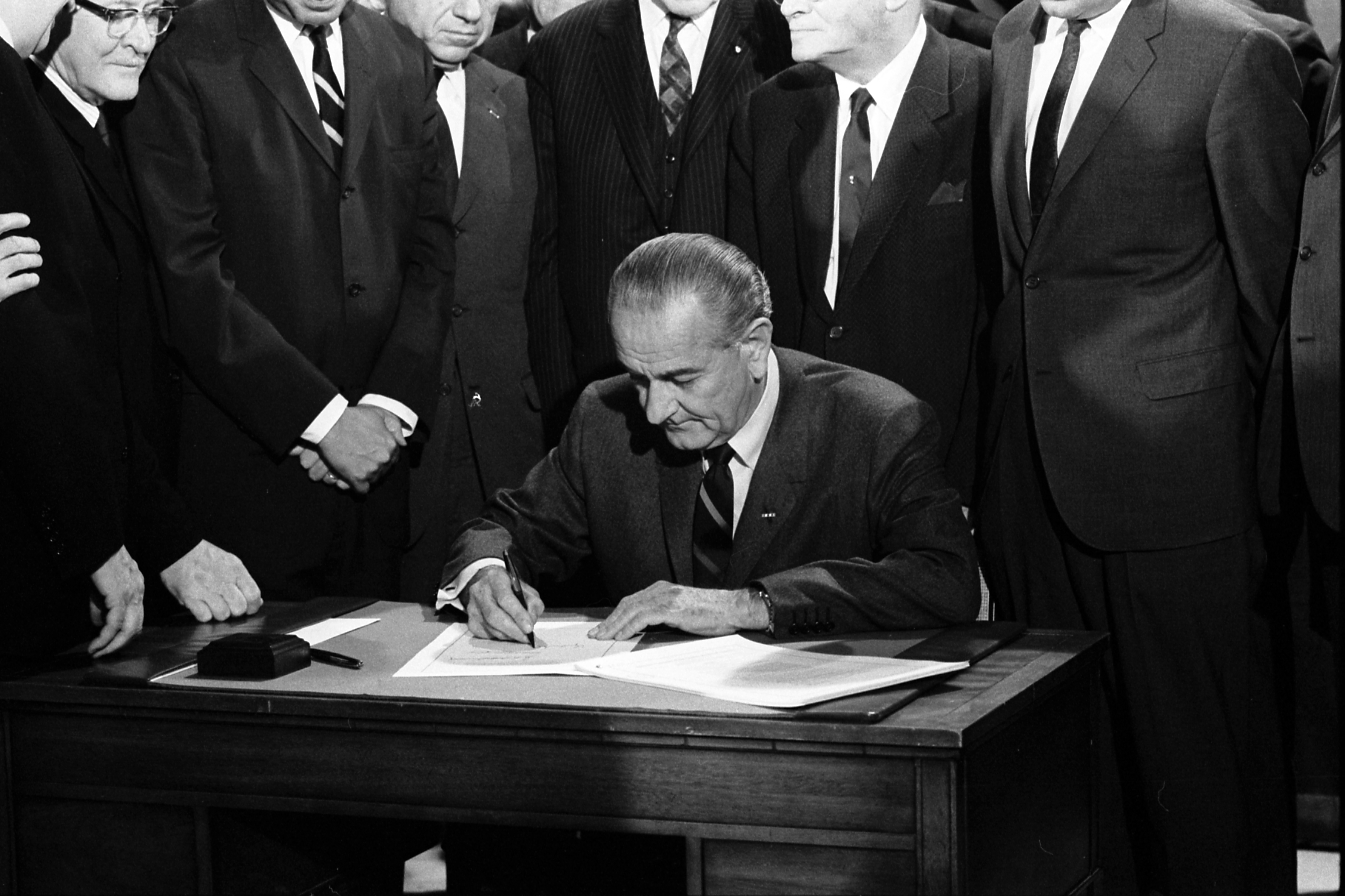
Vietnam escalated to disastrous levels under LBJ so why is he at number 9? Well, under the auspices of Communist Containment, one could argue he was merely maintaining a longstanding foreign policy of the US but really, it’s because his domestic agenda was so progressive and realised. Only a year after pushing the Civil Rights Bill, he got the Voting Rights Act passed. Then, a flurry of the most impressive legislation committed by a liberal president, including Medicare. He was an intimidating, foul-mouthed beast of a man but he knew how to play the political game better than almost any other US president.
8. Thomas Jefferson (1801-1809)
One of the OGs, Jefferson promoted a western expansionist policy with the Louisiana Purchase, effectively doubling the nation’s grounds. He also put an end to the long-standing problem of Tripoli pirates from North Africa, who were disrupting American trade in the Mediterranean. His passing of the Embargo Act of 1807, which suspended all trade with Europe, unfortunately wrecked the US economy and paved the way for the War of 1812 with Britain.
7. Barack Obama (2009-2017)
While many supporters were frustrated with the gridlock of congressional relations in Obama’s years and the supposed let-down in the wake of his meteoric rise, there’s no denying the achievement that was the Affordable Care Act. Not perfect, sure, but something that had eluded America’s leaders for decades. Besides that, Obama helped restore America’s image abroad and took some tough but much needed measures to restore the US economy after the 2008 crash.
6. Harry Truman (1945-1953)
Truman was never given an easy hand to play. He had been virtually kept in the dark by FDR while VP, not even knowing about the development of the Atomic Bomb. To drop that in August of 1945 was perhaps one of the gravest decisions a US President ever had to make. Shortly thereafter, he had to take quick measures to ensure the containment of communism where he could, mostly with success, though a period of uncertainty loomed at the end of his tenure with the Korean War. Initially not popular upon leaving office, his reputation was restored by the time of Vietnam due to the accountability with which he had held himself- a sign upon his office reading “the buck stops here”.
5. Dwight D. Eisenhower (1953-1961)
A military hero who ended the Korean War. A republican who continued the legacies of the New Deal and Fair Deal. Apatriot who opposed communism but would not give the red scare-mongering likes of Joseph McCarthy any time of his day. Yes, Ike was a popular leader who came as a natural choice for many in the post-war era. Perhaps his previous lack of political ambitions paved the way for him being the kind of president who could rule with sense, partisanship aside.
4. Theodore Roosevelt (1901-1909)
We’re into the major leagues now. Roosevelt ushered in the Square Deal which aimed to conserve natural resources, control corporations, and protect consumers. And… he was a Republican. Yes,, of the old sort- the kind that believed in containing big government and capitalism where it got dangerous. While something of a bloodthirsty scoundrel, apparently always itching for a fight and building up the US navy, he also brokered the end of the Russo-Japanese War (earning him the Nobel Peace Prize).
3. George Washington (1789-1797)
The first president is often ranked number one or two. While I admire his dedication to the job and setting the tone for the office by stepping down after two terms (where many wanted to make him essentially a king), it must be said that he operated in a time of widespread support and creativity for the new nation. He didn’t have the binds facing other presidents. Still, can’t really fault him on much.
2. Franklin D. Roosevelt (1933-1945)
Elected a record-breaking four times (dying early into his fourth term), FDR brought America through both the Great Depression and World War 2. His legacy is closely tied to the New Deal agenda, which set the course for liberal economic ambitions since, if never fully realised. Plus, he was also inspiring- helping to raise morale with his fireside chats and proclamations such as “we have nothing to fear but fear itself”. Upon his death, the people weren’t quite sure how another leader could occupy such a space.
1. Abraham Lincoln (1861-1865)
No president has ever faced a test quite like the Civil War. Upon election, several southern states seceded resulting in America’s darkest hour. Lincoln was responsible not only for winning this war and reuniting the broken nation but for passing the 13th Amendment which abolished the original sin of America’s foundation: slavery. This would mark the great turning point in the nation’s history. Managing such a hefty task required a man of great intellect and greater moral fibre.
In the pantheon of presidential historical evaluation, the first 100 days has never been an accurate indicator of what is to come. Often referred to as the “Honeymoon period”, it tends to reflect a more restrained take on the presidency, given its freshness, initial public support, and change of power dynamics. In a sense, everyone’s testing the water and willing (on some part) to give the benefit of the doubt. This is doubly true for the Biden administration, who have come into their own with a long-suppressed sigh of relief following the turmoil of the Trump years.
This is perhaps the most evident thing about the new president; his normality and candour in juxtaposition to the raging clown prince of crime, whose final days saw siege upon the Capitol. Joe Biden has been effective, thus far, in restoring a sense of normalcy and decency in how America tackles its problems. A naturally empathetic man, he’s struck the right tone in addressing mass shootings and the pandemic, in a time when true leadership has been needed.
His words have been supported to by action too; namely, the $1.9 trillion Covid Bill set to alleviate the economic offsets of the pandemic. More liberal commentators, worried that he would prove too moderate, have been surprised by this bold course of action. Thankfully, Biden understands that dramatic times call for dramatic responses and having paid witness to the gridlock of the Obama years, he’s done his base right by practically ignoring the Republicans’ attempts to slim down this bill.
The pandemic has, at this point, reached a turning in the tides with over 200 million Americans vaccinated at this point (a goal set out by the administration). As always, I would be reluctant to give Trump any credit since he only ever served to aggravate the World Health Organization, undermine Dr. Anthony Fauci, and meander wildly on the severity of the virus but it is worth at least noting, that some structure was in place for Biden to capitalise on this reversal of fortunes. As a leader, he’s set a good standard however, asking Americans to continue wearing masks while paying respect to the scientists Trump so callously questioned.
The Covid Bill hasn’t been the only bold proposal put forth too. Biden has also unveiled a $2 trillion infrastructure plan which has long been overdue (Trump had actually been correct in 2016, assessing this as one of America’s gravest issues but failed to deliver in appropriate fashion). To his critics, this may be overreaching. They’d have a point too, since the buck has to stop somewhere. With that said, with the awesome power of the presidency, it is gratifying to see these major issues tackled with some gravitas. Just remember, that any leader’s going to be popular when spending.
Elsewhere, Biden has marked a contrast with the Trump administration by suspending the Keystone pipeline and rejoining the Paris Climate Accord. He’s also gotten the first notable gun control package in three decade (though limited) and boasted the fastest cabinet appointee approvals in four presidencies. On the surface, it seems like this has thus been a highly successful, action-oriented start. Beneath the surface however…
Well, not to quash people hopes but yes, the tough days are ahead. As eluded to earlier, spending makes one popular but bills have to be settled and the economic downturn of the last year’s events has yet to manifest. (We can only hope this massive investment will curb the worst of this.) The immigration problem, too, is rearing its head, as Biden struggles to set out a new policy, differentiating from Trump’s. (Even George W. Bush has called on his party to act in Congress to work on this.) Plus, while justice was exacted in the George Floyd trial, we’re still seeing disgusting instances of police brutality against Black Americans. Now that a Democrat is in power (and the party has a slight majority), some legislative action will be expected. The Republicans, momentarily out of sorts for now, will return with their combative stances and make this presidency increasingly more difficult.
So, while a dark cloud looms on the horizon, we can at least be thankful that Biden has proven more radical than expected in his approach to the immediate major problems facing him. With his conciliatory inaugural address too, he has hopefully set out a renewed air of compassion for the politics of compromise in Washington. In a sense, reversing the hateful rhetoric of 2016-2020 may prove his greatest feat.
With just over a week to go until the official start of a new administration, we thought it would be a good time to reflect on the accomplishments of the incumbent, as we fondly did for Barrack Obama four years ago. Now, Donald J. Trump hasn’t exactly been everyone’s cup of tea for various reason including political bribery, racism, sexism, and an innate ineptness but in the tradition of a dignified transition, it’s only fair that we give him his dues.
Of course, upon completion of the above paragraph, we immediately remembered just how terrible a president and person this man was (and still is). So in the more appropriate spirit of actually qualifying the times we live in, we thought we’d instead list the ten worst things he’s done or affected in his tenure. There’s a lot so apologies if we missed out on anything. And while these are indeed numbered, we’re not necessarily ranking them.
1. The Muslim Ban
Trump ordered a ban on flights from seven Islamic majority nations straight away upon taking office. Having touted on the campaign trail that the Obama administration hadn’t called out “radical Islam” for what it was, he wanted to make an impression quickly on this issue. He faced backlash for this decision but handled it in good grace, firing the Attorney General Sally Yates, when she refused to uphold it on some vague, liberal human rights’ basis.
2. Withdrawal From The Paris Climate Agreement
Nobody was exactly surprised when this came to pass in June 2017 but it is worth reminding ourselves that Climate Change is still very much the most serious threat our species face. So, this wasn’t a step in the right direction.
3. Law & Order Rhetoric
Trump was endorsed by the KKK in 2016. This was something he really should have disassociated himself from but instead following Charlottesville in 2017, he remarked that there were “very fine people” on both sides. This ultimately made Joe Biden run for president, which thankfully worked out.
Trump’s rhetoric has, without a doubt, seriously enflamed the racial divide in America. Following the George Floyd protests of last year, he perhaps could have taken a stand and tried to heal a broken nation, as leaders should do. Instead, he resolved to run for re-election on a law and order basis, firmly signalling where he stood on civil rights.
4. Separation Of Migrant Children From Parents
Trump’s Great Wall agenda never took off in the way he promised, despite this being the centrepiece of his campaign in 2016. Nevertheless, keeping with his “no BS” image, he still managed to preside over the shameful separation of children from their parents at the border. The image of cages and lives permanently affected by the deluded sense of paranoia associated with immigration will remain intangible with his legacy.
5. Russia/Ukraine & General Undermining of Democracy
Although the Mueller Report didn’t result in the firework display we all hoped it would, it still proved what we knew all along; that there was a connection between the Trump campaign and Russian interference in the 2016 election. Whether he was personally aware of it or not, Trump made every effort to contain this story, belittling the dignity of the investigative process at every step, even going so far as to fire the FBI director, James Comey.
Seeking to consolidate his preposterous image, he went too far in 2019, by trying to get Ukraine in on a deal to dig up dirt on Biden. Anyways, upon that leaking, the Democrats (who took power of the House in 2018) finally had the concrete case they needed to pursue impeachment. It may not have removed Trump from office but it gave him the black mark previously only posted on two other presidents’ folders.
6. Nepotism & Other Terrible Hires
Has an administration ever had so much turnover? From Sean Spicer to Anthony Scaramucci, nobody was able to keep their job in this White House. Even Steve Bannon, one of the “brilliant” architects of his 2016 campaign was cast aside. Trump has put the blame on their own individual incompetences and loyalty but really the common denominator is the boss who appointed them.
These people were also dumped for running afoul the special counsels, that are Trump’s family members (particularly Ivanka and Jared Kushner). One of the most obvious signs your democracy’s in the toilet is when your president starts appointing family members to privileged positions.
7. The Longest Shutdown
Upon retaking the House in the midterm elections, one of the first things in order was for the Democrats and the Trump Administration to agree on a budget. What resulted was a prolonged he-said, she-said situation with both sides refusing to budge, a slurry of Trump tweets, and the longest shutdown in US history, affecting pay checks for many from December 2018 trough January 2019. Again, in light of Trump’s need to appear mighty and triumphant, others had to suffer.
8. Appointments To The Supreme Court
Trump had the privilege of appointing three separate judges to the Supreme Court and on an ironic basis too. The first was Neil Gorsuch, who came about because the Republicans felt it was unfair for Obama to appoint a new judge in an election year. The third was Amy Coney Barrett, who was quickly shoehorned in a few weeks out from election.
The second was Brett Kavanaugh, who was trialled over accusations of sexual misconduct by Christine Blasey Ford in 2018. After a (frankly) crazy testimony in which he defended himself, he was sworn in, but with no end to ridicule over his temperament. Trump’s picks have come under fire for just how extremely right-wing they are and although he will leave office, the impact of his decisions on the Supreme Court will unfortunately reside for decades to come.
9. Handling of Corona
Both George W. Bush and Barack Obama recognised the potential threat of a pandemic in their time. Obama had the framework in place to deal with one should it occur. It’s a good thing Trump kept it in place, right?
Perhaps the worst thing Trump has done in mishandling the Coronavirus is in making the restrictions a matter of political allegiance. His followers don’t wear masks and they congregate in large crowds. The other side do the opposite because they don’t respect freedom or something to that stupid effect.
In case that’s not enough to disqualify him as a medical expert however, let’s remember that he withdrew the US from the World Health Organisation, advised people to drink bleach, and got the virus, himself.
10. Inciting A Riot
It should be clear by now that Trump really isn’t all that keen on law and order but if it isn’t, just last week he decided to go out with a flare, by suggesting his minions march on the Capitol. In what amounted to the most bizarre, atrocious, and frightening moment in his presidency, the historic building and symbol of democracy in America was basically besieged, resulting in the death of four people.
Since then, he’s finally been suspended from social media, members of his cabinet have resigned, and Nancy Pelosi has called for Mike Pence to invoke the 25th Amendment or in lieu, a second impeachment. With so little time left, I suspect neither will happen but I’d be happy to be proven wrong.
Dishonourable Mentions
It was pretty clear upon taking office that Trump would become the worst US president of all time. We have qualms with others but never has a president been so inept on so many levels, with so much disdain for democracy. These have been just a few selections of his worst moments and tendencies however. Feel free to comment your own, as weprovide a few more dishonourable additions:
History is always being rewritten. The heroes of yesterday become the villains of today. We’ve seen this with the toppling of statues recently and the scathing rebukes of once-beloved or admired figures such as Thomas Jefferson and George Washington, After all, our values change and once ignored facts (inconveniences), such as Churchill’s white supremacy , come into greater light with new appreciation (or lack thereof). This revisionism is natural and no historical evaluation is without fault.
But something’s changed as of late. Our fervent grasps for social justice have left us empty-handed too often when it comes to a nuanced appreciation of certain historical figures. We fail to see these figures as a whole because one nibbling, doubtful, pernicious defect often overrides all common sense. In this case, I’m referring to the scandals that detract from the legacy of William Jefferson Clinton, the 42nd president of the United States (1993-2001).
Speculation and Scandals
Now, don’t get me wrong. The man is problematic, if we must indulge that favored millennial word. Some of the decisions made under his administration have had negative consequences, ranging from the short-sighted (crime bills, economic impairments linked to the 2008 crash) to the devastating (initial inaction in Bosnia and Rwanda). But really, what people focus on, in their retribution, is the man’s personal life. How many affairs has he had? Is his marriage an arranged partnership? What exactly was the nature of his relationship with Jeffrey Epstein? At the very least, the latter one should be investigated because of the differences in accounts being brought forward (it’s said he may have taken up to 26 flights on Epstein’s private jet and visited the island, although no affairs with any of the girls have been exposed). As for the other questions, one could defend him and say he has the right to a private life and that it’s unimportant in the larger scheme of things but instead of doing that, I will touch on the nature of speculation that surrounds the Clintons.
Speculation has hindered both Bill and Hillary’s public image more than any other figure in American politics. There’s always been this pervasive feeling that they’ve been up to something, be it through business connections or the Clinton Global Initiative, which arouses suspicion in the form of a lingering, shadowy question mark. The more questions that arise, the darker that shadow gets, even if there’s no substance or merit behind the question. What was Whitewater? I don’t know, man, but there’s something there. What were in Hillary’s emails? Shrug. And why did Vince Foster kill himself? Did he know something the Clintons wanted kept secret?
Indeed, the latter episode was a most shameful one in American history given the man’s longtime friendship to Bill. But when the Deputy White House Counsel committed suicide, Bill wasn’t even afforded a common level of decency in his grief. Ken Starr and the Republicans spent all their energy trying to discredit the man with a new, nasty kind of politics that involved personal injury at whatever cost. When the Whitewater investigation, which began looking into the real estate dealings of the Clintons, proved unfruitful, they simply kept the heat going. The Paula Jones’ sexual harassment allegations also persevered, though the Republicans were quite ready to redirect their focus when the “gift” of Monica Lewinsky came around.
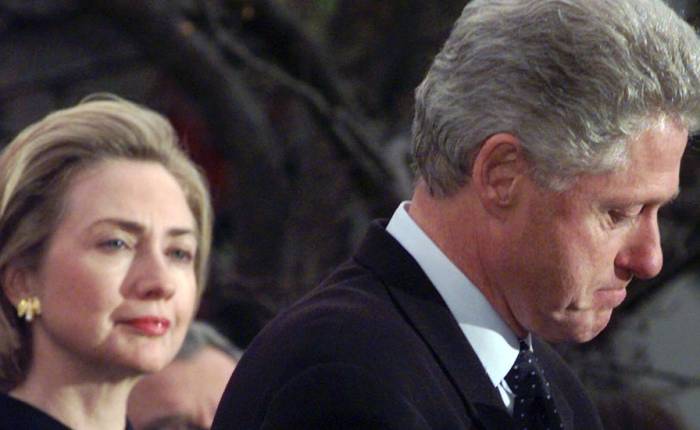
Clinton’s famous “I did not have sexual relations” moment.
In this regard, Bill deservedly brought some of the wrath upon himself. In a deposition, he was blind sighted by Lewinsky’s name being brought up and denied any “sexual relations”, given the legal definition provided by the Starr counsel. It was a technically correct answer but an unwise and immoral move that reinforced his image as a dodgy, snake-like politician. For months, he would deny the nature of their relationship, even to his staff and Hillary, until it became too obvious he was lying, or in his words “misleading” the nation. It was a personal embarrassment and a horrible thing to do to both Hillary and Monica, whose life would be greatly affected as a result (although, this enters the realm of cyber bullying for which many millions more than Bill also deserve a portion of blame).
Many people today, in light of the #metoo movement, point to this scandal as a demonstrable abuse of power. A couple of years back, Clinton’s attempts to salvage himself and take on an interviewer who brought it up, only served to convey a seeming lack of empathy on his part. Lewinksy, too, has been critical of the president, who never apologized directly to her.
That’s something he really should have done, straight away. He should have apologized to Monica and her family because they were given an unwarranted amount of press, that was relentless and downright mean. That’s not necessarily his fault but he could’ve stepped in and said “enough is enough, we’ve all made mistakes, leave her alone.” I think that would’ve helped but I also believe nothing he could have said or done would ever have been enough. Remember, this scandal came about, not because the people were concerned with Clinton’s supposed weakness for women but because the Republicans were attempting to destroy his presidency.
The impeachment which resulted was largely a joke, made in a last-ditch effort to humiliate Bill. Already, the Democrats had won back the House while his and Hillary’s approval ratings shot up. Back then, people had a better understanding of what was actually going on and in a universal middle-finger to the GOP, took to the polls. Ordinary people and leaders of other nations, including Neslon Mandela and Tony Blair, would stand by Clinton with the belief that he was a decent man who had done a bad thing. Today, I can’t imagine the same thing would play out and that’s not an effort to outright dismiss our morals. Integrity is important and we should expect it in our world leaders but let’s face it, there are more important things at play in shaping that integrity than personal scandals and failings.
The Record: A Moderate Democrat
Another interesting nugget you might hear about Bill Clinton was that he was not all that progressive or liberal. Correct. In the 1980s, the Democratic Party weren’t exactly on their A-game. Following the largely besmirched Carter Presidency (and for the record, he’s my favorite president), which was plagued by a struggle between moderacy and liberalism in the 1980 primaries, they had a hard time finding their footing. Eventually, the party’s liberals acquiesced to the more pragmatic middle-ground ideologies of the likes of Clinton, which gave way to a presidential victory after three consecutive Republican terms bolstered by the Reagan revolution and a strong but faltering economy. Reaganomics was good politics but very much the “voodoo economics” George HW Bush had called it when up against Reagan in 1980. By 1990, Bush had to rescind his “no new taxes” pledge for the good of the nation. It was a bold but noble move that damaged him in the 1992 election.
The first baby-boomer president made the economy one of his top priorities and actually left the country with a surplus, three years in a row at the end of his tenure. This had not been achieved since the post-war years under Harry Truman. Given Bush’s concession to the Democrats in 1990 and some of the negative consequences that resulted in 2008 (although that can be attributed to several administrations), this achievement has appropriately been lessened but it still remains a positive in most historians’ eyes. In the following years that would see major tax cuts and costly wars, people would naturally look back on the Clinton Presidency, in this regard, with nostalgia. It was a relatively prosperous time, helped by the rise of the Internet but also by a set of steady hands.
Social unrest was also another major concern which helped Clinton get elected. He pledged to invest in more police forces to keep the streets safe. This was a popular stance to take and received bi-partisanship support, resulting in the lowest crime rate America had in decades. Unfortunately however, this also led to a rise in mass-incarceration with arrests of minorities and low-grade drug offenders. Undoubtedly this has tainted his legacy and deservedly so, with both Bill and Hillary admitting that aspects of the crime bill needing to be revisited. Part of the problem, as most people now see it however, also lies with pervasive racism in certain areas and unaccountable police officers; a common trend that stretches back way before this crime bill passed.
The “Don’t Ask, Don’t Tell” policy of 1993 was another controversial measure. Bill had pledged in his campaign that gays could serve in the military. Many opposed this. So, quite quickly, they compromised. Basically, gays could serve but couldn’t come out as gay. Better than nothing? Possibly but ultimately, a pretty feeble gesture, which Bill was quite happy to get rid of, given the controversy surrounding such a topic at the time.
What’s interesting about “Don’t Ask, Don’t Tell”, along with some of Clinton’s other compromises is that they demonstrated a strategic tactfulness to his administration. Elected as essentially a moderate, he was willing to settle for what he could get, aware that the Republicans (who swept into power in the 1994 midterms) would accept only certain things. Another example: Hillary’s health-care led initiative essentially stalled that same year with fervent opposition. Aware of this, they worked to at least provide health care to children with CHIP (Children Healthcare Insurance Program).
Compromise is often seen as a dirty word. The Clintons were largely pragmatic though, aware of the political game and very much willing to play it. Even in his memoir, My Life, Bill Clinton can’t help but admire the strategy Newt Gingrich employed to lead his party to victory in 1994. The problem arises when people perceive their party as moving away from their traditional values and causes. The Republicans’ success and move to the right in the 1980s didn’t result in the Democrats following suit towards their side. Rather, they also moved to the right. This meant, for many, that a moderate Democrat was essentially an old-style conservative. Of course, now that the Democratic Party has actually started to move to the left, we’re in a whole different scenario, which lends credence to the liberal critics of the Clinton administration.
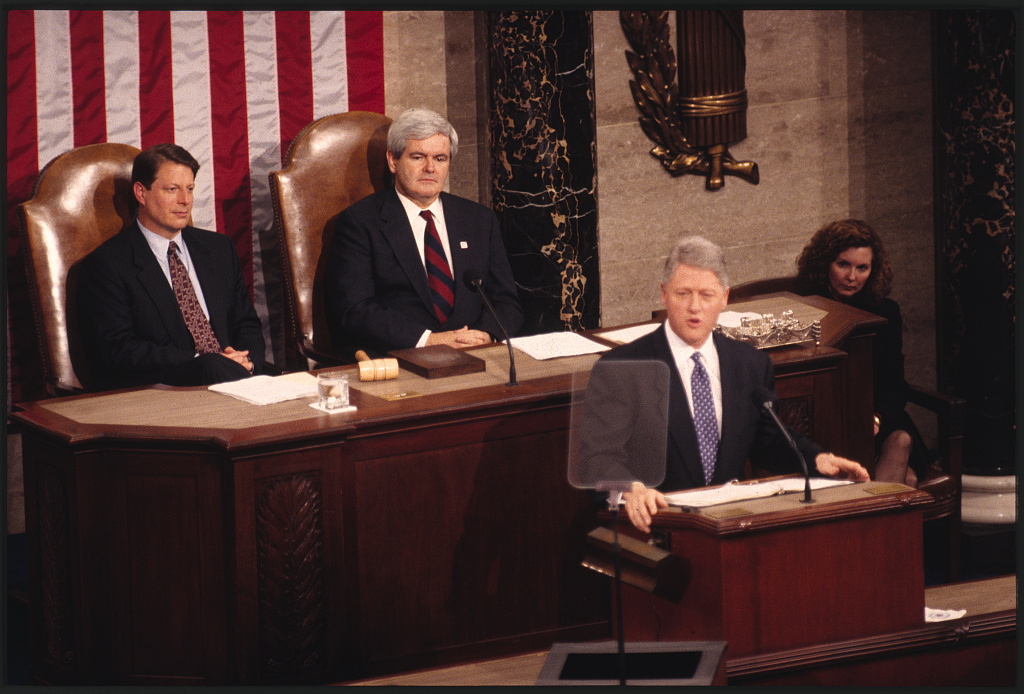
Bill Clinton delivers his State of the Union address in 1995.
Political pragmatism is important though, even if perceived as selling out. Had Ted Kennedy been more willing to work with Jimmy Carter’s more pragmatic approach to health care, then they might have actually gotten something achieved instead of nothing. The Clintons failed to get health care too, as so many before had, but at least they tried and got something done. After all, millions of children as a result were given a safety net they otherwise would not have had.
This pragmatism became all the more crucial however in Clinton’s foreign affairs, which began on a rocky trajectory before steadily improving. First, there was Black Hawk Down, which cast doubt over whether Clinton could really manage a humanitarian crisis. Initially, the US had been successful in their Somalian dealings at the end of Bush’s presidency (Bush being, by most accounts, a masterful player on the world stage). Then Bosnia followed, which saw a massive ethnic cleansing of the Muslim population. At first, the US were hesitant in their approach but by 1995, Clinton came into his own as commander-in-chief, sending in forces. Perhaps he had learned from the Rwandan genocide, which he always regretted inaction about. Part of the problem was public opposition to US intervention elsewhere, given the disaster of Somalia. It seemed navigating the morality of the US’ role in these conflicts was not always that black and white. You were damned if you acted and damned if you didn’t.
By the late 1990s however, Bill Clinton was very much a respected leader around the world. The intervention in Kosovo in 1999 was seen as a prudent step across the board, between Democrats and Republicans, and he had helped negotiate the terms of the Good Friday Agreement the year before, which greatly helped the situation in Northern Ireland. While his efforts to formulate a lasting peace agreement between Israeli prime minister Ehud Barak and Palestinian leader Yasser Arafat at Camp David ultimately stalled in 2000, it was seen later as one of the better attempts made by a US president at resolving the problem.
Legacy
Towards the end of his presidency, when asked about his legacy, Bill Clinton saw it in terms of navigating the shift from one American age (Industrial) to another (the Information Age) as had occurred a century before. He felt the historians would wonder whether he had succeeded in preparing America for the new century but he was realistic even in his thinking, realizing that if George W. was elected and the Republicans regained power, much of what he had achieved could be undone. Indeed, that became the case notably when the Brady Bill (which acquired some gun control legislation) wasn’t renewed.
It may not stand in the mercurial tide of politics as one of the most important presidencies of American history but in my opinion, it was a good one. Despite personal setbacks and a new norm of vitriolic partisanship, Clinton was able to hone in on what could be achieved and act accordingly. While negative consequences arose as tributaries to the main functions of certain bills (like the crime bill), the overall objectives were usually sound and reasoned. His foreign relations too were smart without recklessness (queue an analysis of the Bush II administration) and where he failed (e.g. Rwanda, Somalia), he at least had the decency to learn and make adjustments so he could help (queue an analysis of the Trump administration).
Of course, consensus and absolute certainty make for a dismal appreciation of any historical figure when discussing nuance. Most US presidents have been imperfect with wildly mixed legacies. It can’t be helped when you’re playing chess on such a massive scale. I decided to write this long piece and read his ridiculously long memoir (958 pages) because I felt we were in danger of simplifying this man’s legacy. In the years that have passed since his presidency, he’s gone from one of the most respected world leaders to a figure of disdain, even for many from his own party. I wouldn’t go so far as to point to Hillary’s loss in 2016 as a referendum on their legacy but in this new age of evaluation, I feel the constraints of examining history through a modern lens should be acknowledged.
Context is key to any historical understanding and we can learn from history. But just as the problems of today don’t necessarily require the attitudes and solutions of years before, so too did the problems of those years not necessarily requite the outlook we would hold now.




 The Washington Walrus