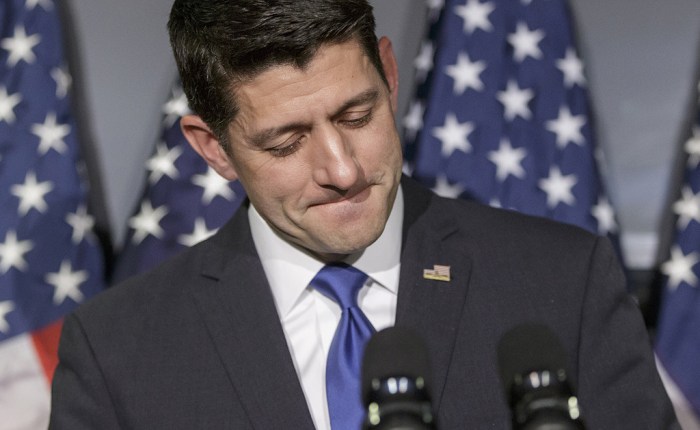
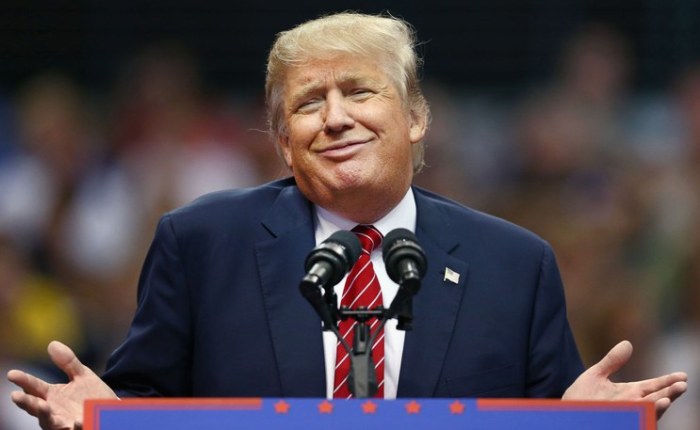
Yes, you read that title correctly. Now, I know most of you will propose that Trump or one of his cabinet members deserves this title but even the top dog himself pursues his reckless course of world destruction with an unapologetic pantomime of confidence. Ryan, on the other hand, is more like a snake, slithering his way to the top of a tree, crossing any and all branches to pursue his ultimate goal of a government that’s… well, we’re not quite sure of that even. Unlike most snakes of course, he’s not that cunning, sneaky, or threatening. He does however try to be all these things and for that reason, we’ll stick with the metaphor.
Last week, former FBI Director James Comey testified against Trump, resulting in a ripple across the GOP’s collective nerve system. Paul Ryan, likely hoping to remind America that he exists (despite his significant position), responded to the allegations of corruptions in the White House by saying that the President was ‘just new to this.’ It was a pitiful display for the straight-laced gym-bound Speaker and one yet of mild disappointment for the people who might have thought him a voice of (some) reason in a party so lost in its way; for this man was not always a reliable source of support for the Trump administration…
It was in May 2016 when the Republican Primaries were effectively over that the Washington Post ran a story on the Speaker ’emerging’ as the party’s leading anti-Trump figure. Like many, he was astounded at the rhetoric being used during the great Orange Surge. After all, Ryan, ever the serpentine, was the archetypal Republican; all about family values, pro-NRA, a Climate Change skeptic, anti-Obamacare, anti-Same-Sex marriage, anti-abortion, and anti-reason. In 2014, he even wrote an op-ed for The Wall Street Journal, in which he divided the American people into ‘takers’ and ‘makers,’ which he would later flip-flop on- just like a true Republican. So what he saw before his eyes at the RNC last summer must have disquieted him and moderates subsequently hoped he would stand his own ground. Unfortunately however, he had a lackluster answer even then when he finally decided to support one of his own most vocal critics; ‘Hillary isn’t the answer.’
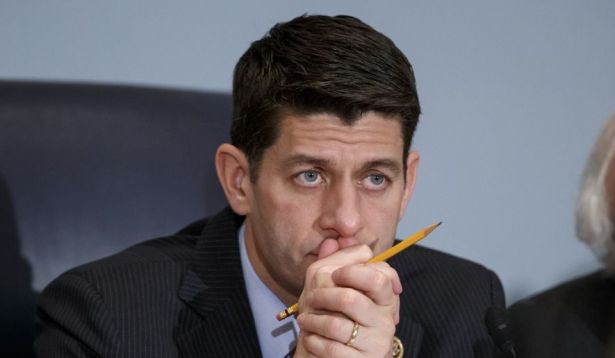
Ever since, Ryan has been lost in some sort of strange limbo where his agenda is being pushed but he seems all the more insignificant. He can’t keep up with the fresh slew of news being generated by the Trump administration on a daily basis. He’s constantly reacting, in off-beat time, to whatever the latest hurdle is. He denounces Trump every now and again and then stands by him steadfastly, as if to ensure the safety nets stay on a trampoline shot into outer space. He is the stalwart of a party whose principles are as expendable as his own time, for all the people care. Even his haircut betrays the possibility that this man might at all be genuine or interesting.
So why do we pay so much credence to this shadow of a man? The fact of the matter is he is important, or will be again when Trump is impeached and the guy who looks like he’s from Thunderbirds takes over. It will be at that point or some other in the future when he releases his pulped autobiography when he will have to answer for all the hypocrisy he presided over during his tenure. With the likes of former Republican Representative Bob Inglis calling him out (‘You know that you would be inquiring into impeachment if this were a Democrat’), the Speaker has to determine the point of no-return, when none of his party’s principles coalesce with the trajectory of the current administration. Only then, will he be able to justify a non-microwaveable dinner.
I imagine Trump is quite relieved that his 9-day stint in foreign policy is over. Most assuredly, his staff will be cajoling him with ‘true’ news reports that things went ‘just fabulously’ and that it won’t be necessary to head outside of the US any time soon. Now, some of the more cynical ‘thinkers’ of the World Wide Web might be positing that these trips were anything but great with either his hypocritical change of rhetoric being brought into question or else his general disinterest in world affairs. To be fair to the 70-year old year renegade however, he had to endure countless conversations with God-knows-how-many al-somethings in the Middle East whilst others sullied up the good name of Mar-a-Lago. Can’t we give him a break? Well, let’s look at how things went to begin with:
Stop One- Saudi Arabia
It’s not the friendliest neighborhood and most presidents usually don’t choose it as their first foreign destination but you know Trump- straight to the grit! Of course, even he needed a little context for this one as Saudi Arabia has had a long and complicated relationship with the US. They’re the kind of bad-boy BF you know you should give up but they’re always there when you need them and with the goods (oil). Yes, it’s one of the most disappointing alliances the US has ever pursued but it doesn’t look to change anytime soon, despite slight withdrawals in recent times, including a $400 million arms deal last year (when it became apparent that these airstrikes in Yemen weren’t all that popular).
Not only have over 10,000 people been killed in these assaults in the last two years, but 17 million people are now facing starvation, according to the UN. On top of that, they consistently rank low in the Amnesty and Human Rights Watch reports on other matters like freedom of speech and women’s rights (though Ivanka did note they had made some progress, if you want to take her word for it). Even former US ambassador Robert Jordan (a Bush II appointee) remarked how the ‘humanitarian’ aspects of this conflict were being outright ‘ignored.’ Heck, even Trump himself has criticized both the regime for its ‘harboring’ of the 9/11 terrorists and Obama for bowing to the Saudi King in 2012.
There was this too…
So naturally, Trump brought in the reigns on his categorization of ‘Radical Islam’ (now ‘extremist ideology’), delivered an all-too diluted speech for his fervent supporters, accepted the Collar of Abdelaziz Saud from King Salmon, and capped it all off with a 10-year projected $350-billion arms agreement. In terms of his own campaign rhetoric, he therein delivered one of the most bamboozling if expected 180-degree turns in US history. On the other hand though, the Saudi press gave him and Melania glowing reviews. In the Trump book, this was therefore the best success ever achieved by a US president.
Stop Two- Israel
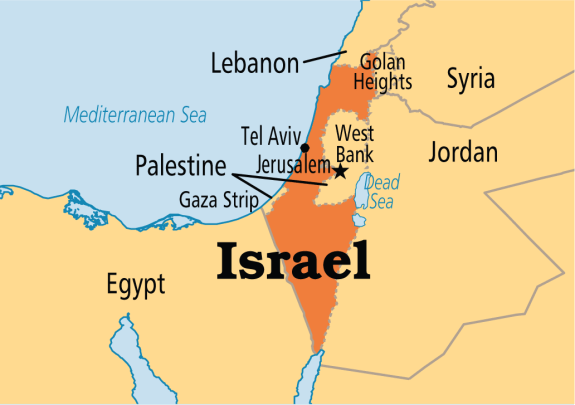
Not one to take a rest, Trump followed up his trip to the ‘Middle East’ with Israel, which is of course situated in the Middle East (although the President can’t be expected to know everything now, can he?) Unlike his previous foray however, which involved directly selling out any possible remaining US moral values, this was more of an exercise in tip-toeing delicate grounds- that is the whole Israel-Palestine thing. You see, it only became apparent to Trump in recent weeks that this decades-long tension wasn’t all that easy to solve (after a ten minute explanation). So this was going to prove a real test of diplomacy. Did he succeed? Let’s it put it this way- it was the least pugnacious part of his 9-day tour.
First, there was the media blitz that resulted when Melania swatted his hand away like some annoying fly- injecting life back into the widely held belief that she does not love him at all. We’ll just let that hang there…
Then it was off to meet Prime Minister Benjamin Netanyahu and visit the Western Wall in Jerusalem- without recognizing it as the capital. Pretty slick, right? Of course, this was a historic part of his venture as he became the first US president to actually go to this wall (though frankly he may just have a fascination with walls in general). He then visited the Holocaust Remembrance Center and left a less than eloquent note, akin to something you might find at Disneyland or in a year book: ‘It’s a great honor to be here with all my friends. So amazing and will never forget.’ Obama had written something far more eloquent back in 2008 about the great suffering endured all those years ago but he’s a bit of nerd at the best of times. Trump, unjustly hounded by the press at every opportunity, was merely expressing how awesome it was to have Tillerson and crew along.
It was in his speech that US foreign policy came to the forefront most clearly however and by clearly, I mean ‘vaguely’, as picked up by reporters on site. While reiterating their commitment to regional peace, he managed to avoid the question of recognizing Palestinian statehood and the possibility of an embassy move to Jerusalem from Tel Aviv (a campaign promise.) This meant that things, more or less, remained the same upon exit for his next stumbling block.
Stop Three- Europe
‘He’s something’ Trump said of the Pope, ever the linguist. Now, most of you have probably already determined that this meeting was exceptionally awkward. Exceptionally… Anyways, the two held a 30-minute 1-on-1 meeting in which issues such as Climate Change and terrorism were discussed. The former would haunt Trump the last few days of this sordid tour but the latter is perhaps one of his favorites. These two men naturally must have disagreed, given their polarizing alliances to God and the Devil, but they were nevertheless able to pose for a picture which speaks more words than any review ever could.
Melania, for some reason, decided to come dressed as the Woman in Black.
It was then on to the G7 Summit, the highlight of this entire trip. Again, there were the awkward faux pas- be it shoving aside other world leaders to get the front for a photo-op or engaging French President Macron in another one of those aggressive Smackdown handshakes. There was also the speech he delivered in which he chastised a majority of NATO countries for not investing enough of their GDP in defense, which he believed made them over-reliant on US military might. Where the real difficulty was always going to lie however was in Trump’s stance on the Paris Climate Accords, committed to under President Obama in December 2015. Long story short, he said he’d make up his mind sometime this coming week. The other world leaders were left in dubious doubt however, with German Chancellor Merkel eluding to the notion that Europe would have to endure on its own and that Germany could no longer ‘rely’ on Trump’s America. Upon departure, Trump told US naval sailors in Sicily that the 9-days been a ‘home run’.
Homeward Bound
The media largely focused their attention on what was ‘awkward’ during these visits but a few talking points arose between the many reports given: the downplay of his Islamophobic rhetoric; the ‘America First’ policy on display; the reaffirmation of Gulf alliances; the growing division in US-European alliances; and the fact that Trump is still finding his footing on the world stage. For some, it was a meager lightweight trip that amounted to very little we didn’t already know before. For others, it was a calming reminder that Trump can restrain himself at times. For most, it was a meme-centric carnival of diplomatic embarrassment, the likes of which we will never see again until his next foreign escapade or Twitter-bowel-movement-tirade.
Saturday (29th April) will mark the 100th day of the Trump administration and while the reviews have been contemptuously abysmal, the ratings have been ‘huuuuuge.’ This still seems to matter even in the face of overwhelming rejection, criticism, and abject failure. If it didn’t, we could count him out. The struggle, unfortunately, continues for the resistance.
So where do we begin? 100 days is not a long period of time to assess a presidency and Trump does have a point when he discounts it as a ‘ridiculous standard.’ (Yes, this was from a Tweet.) Indeed, most historians would agree on this point, citing LBJ’s commitment to Civil Rights and Reagan’s action on taxes as significant initiatives taken outside this time frame. Even, Clinton was a little slow to start. This president has jettisoned so many disastrous schemes already however that it seems a little naive to conjecture that he may be reading the instruction manual. Trump cannot read. It therefore seems appropriate, as with most administrations, that we should at least consider the tone he has set for what is to come.
Women’s March
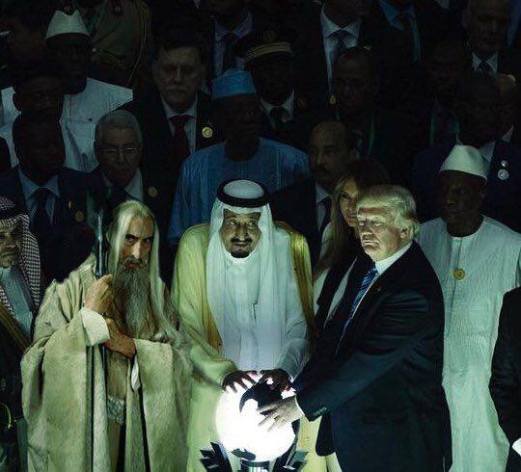
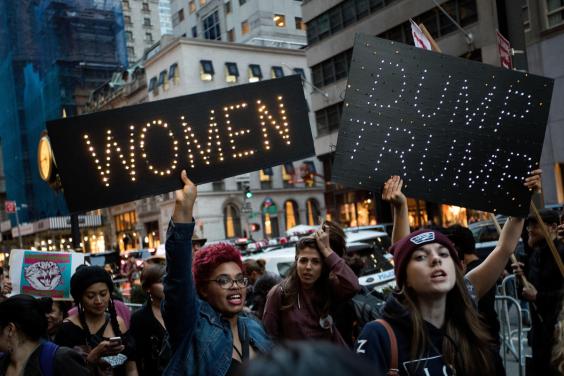
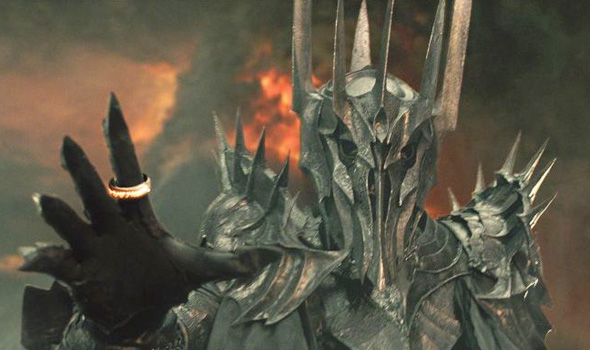
Darkness. The tone has been one of great darkness. A little abrupt? Well, let’s flit through some of the things that have occurred these past three months. Before he had even gotten through his first weekend, the women’s march had mobilized millions worldwide in unison against his sexist postulations. Then, his travel ban was overturned as quickly as it had been implemented. (Remodeled versions of this ban continue to dominate the courts, though Trump baffingly still considers this an achievement.) He had little time to reflect on this however, for the American Health Care Act he endorsed was ready to fail, even with a Republican majority. Then, as if that was not enough, he managed to give rise to Cuban Missile-like fears with North Korean relations. While all this was happening, a credibility gap was forming not only between him and his base, but between him and his hapless press secretary, Sean Spicer, who continually referenced tweets, establishing a new low for media relations. To top all this off, he has gathered around him the type of cabinet Sauron of Lord of the Rings fame, would even consider excessive. There’s not enough time to go through every appointee but son-in-law Jared Kushner is basically in charge of Middle East talks and Rick Perry has the EPA. Yes, those are just some of the main talking points…
Sauron, Maeir, ally to the Valar Melkor, and force for evil in three Ages of Arda. We’ve been using a lot of Lord of the Rings references lately.
Trump’s shortcomings as a president not only undermine the values of democracy, civil liberties, and common morality however. They also betray the cause of his campaign, the hopes of his base, and the future of America’s youth. Is rejuvenating the coal industry really a step forward? Is TPP even promising when across the globe, more and more capital has been injected into a green industry? Just who wants this border wall? Yes, there are many questions (and lapses in logic) but don’t expect the answers from Trump. He’s a doer, not a thinker. That is why crude nationalism is the new rationale. That is why diplomacy has been pushed aside in favor of military might. That is why the Age of Terror has been ramped back up to fifth gear. We have suffered in the process but Trump, despite amazingly poor approval ratings for what should be his ‘Honeymoon’ period, only seems to push more and more. After all, in a time of ‘Alternative Facts’, political polarization, and great distrust of the media and the far left, there will always be some band of neanderthals ready to defend him at every turn.
Trump’s first 100 days can therefore be characterized for the tone they have set, in many ways, more so than any other president’s. Besides the fact that there is a steeper learning curve for him than those before (given his lack of political experience), he has moved boldly and without trepidation on many of the causes he said he would address. If Democrats want to succeed, they will need to keep up with the momentum of these past three months as 1,360 days yet remain till the next inauguration.
Early last Friday, 59 cruise missiles were launched by the Trump administration in response to a chemical attack which killed 86 people in Syria. Before the dust had even settled, the media had determined the legitimacy of this presidency by virtue of its military injunction. It is a familiar story which plagues almost every country’s history when such action placates the concerns of before and replaces them with either a patriotic zeal of some level or at the very least, an admission of authority.
A few commentators like the Washington Post’s Derek Hawkins went so far as to describe the images of impending missile destruction as ‘beautiful’ whilst others, such as Fareed Zakaria on CNN, made more restrained, though nonetheless telling observations; ‘I think Donald Trump became president of the US last night.’ The questions of morality and legality in these assaults will undoubtedly provoke widespread debate but our interest for now lies in the area of the President’s perceived image. For just as these strikes have given the Trump the pedestal of ‘Commander-in-Chief’, so too have past events helped to cement previous leaders’ standing.
Abraham Lincoln and FDR, for example, whilst exceptional in many degrees, were able to ascend to the highest level of presidential grandeur because their legacies were so fundamentally interwoven with the great conflicts of their time. In less obvious circumstances however, such as Bill Clinton’s handling of Bosnia, we have also seen the ascension of rodents from the sewers to the street (not that Bill Clinton is a rat). Praise is not an essential factor in identifying the confluence of this change but inaction or weak, diplomatic-heavy procedures do little to reassure the public’s confidence in their leader. Our old favorite, Jimmy Carter, springs to mind at this point. Had he launched even a single missile during the Iranian Hostage Crisis, he would likely have garnered a tighter circle of supporters. He chose every other option first however and for that, he suffered the image of a weak, submissive Commander-in-Chief.
Military action may be the quickest way of mobilising public support; it does not create the strongest footing however. George W. Bush, after the attacks of 9/11, peaked at a 90% approval rating and garnered the support he needed for the invasions of Afghanistan and Iraq. We know how the rest goes but even to this day, loved or hated, he is acknowledged as a strong leader. So whilst the likes of W. Post’s Margaret Sullivan has duly noted that ‘praise flowed like wedding champagne’ in the wake of the strikes, we must take such observations with a grain of salt. Trump’s popularity has not been assured in this instance. Questions over his legitimacy, however, are finally fading. A hundred days have almost passed and the media have now come to accept him as their president.
And in this unholy shitstorm, the vacuum of the media’s irresponsibility has once again magnified. We will leave this with a passage from what renowned Dan Rather had to say however because he puts it best:
The number of members of the press who have lauded the actions last night as “presidential” is concerning. War must never be considered a public relations operation. It is not a way for an Administration to gain a narrative. It is a step into a dangerous unknown and its full impact is impossible to predict, especially in the immediate wake of the first strike.
“Kim K. wore WHAT to this Holacaust remembrance dinner?-”
A black dress… or something like that. I’ll be honest though- this headline is made up. I merely employed the use of this not-so sensational teaser to entice you to click on- or in this case, read on- so that I may gather more views and thus more revenue from advertisements to continue this farce of what is now largely accepted to be online journalism.
Of course, this kind of miserly trickery is not proper journalism and we must distinguish between quality and crass. The problem is however that clickbait and its affiliate tropes are infecting the mainstream media we rely on. Not only do these types of articles diminish the once respected nature of the profession but with their often inaccurate projections, they blur the lines between real, fake, and satirical news, thus giving credence to claims like Trump’s that the media, as a whole, cannot be trusted. How did we let this happen?
Firstly, journalism is a lot more flexible than it used to be. Yes, it is still a college course and yes, there are still exceptional reporters in Iraq but there are also many more freelancers and bloggers, who slunk through when the floodgates of social media opened. Some of them have been exceptionally innovative and clever, outside the old model but just as Youtube has allowed for the best (kind of) and worst of today’s entertainment, so has the blog-o-sphere given rise to the truly inhibited. So how does one get their voice to be heard then in such a swirling vortex? As a BBC piece on clickbait put it; ‘[it] is a golden rule of journalism [taught from the beginning that]… your introduction should grab the reader straight away.’ This is nothing new- you sensationalize and provoke with an outrageous title. Tabloids have been doing it for decades. Tabloids, however, could never wholly surmise what exactly the rabid gossipers were flicking through to. Online articles can.
Even sensationalism alone won’t do it now however. The public have grown accustomed to bank robberies and murders. What works better, as Wired put it, is ’emotional arousal.’ We click on to many of these articles, whether they deal with some phony hair regrowth method or how to tell if someone ‘can’t even’ in a specified situation, because they provoke our curiosity and elicit a response in us. Mankind, by its very nature, is uncomfortable with not knowing, especially when the answer is just a click away. Yet, we are manipulated easily and many online sites capitalize on this, resulting in fast-food journalism.
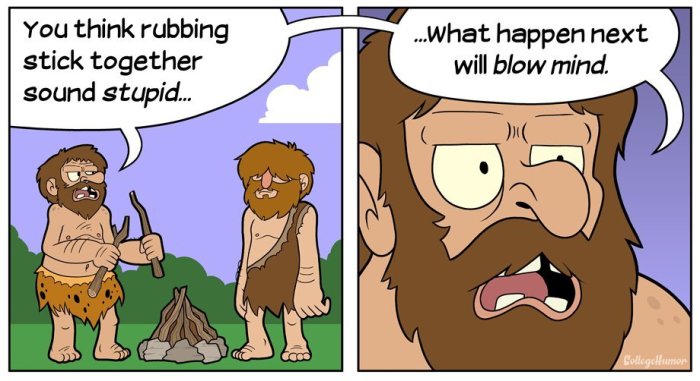
CollegeHumor gets it… They know what this is all about.
This could have been just a silly side-show to the dominant force of actual journalism. In recent years however, newspaper sales are down, broadcast ratings have fallen, and people have increasingly been getting their news online, via their Facebook newsfeed. This is very dangerous. With Facebook, we can choose to follow and unfollow whatever suits us. News is not designed to tickle our fancy and play to what we agree with though. It’s designed to inform on important subject matter. This partly explains why 2016 was such a politically divisive year. The people stuck to either the Republican or Democratic camps and whatever fell between became no-man’s land. The mainstream media, too, when it was most needed, played to wherever the action followed. Why else was Trump given so much coverage, even before the Primaries rolled out? Why else were the most important issues such as the Wealth Gap and Global Warming continually ignored? They are not alone to blame of course; we too, chose to accept the framework in which this circus operated because otherwise, we would have been forced to think critically and engage with complex, adult dialogue.
The results stand as such; the US now has a demagogic sociopath for a leader and a media with no sure confidence. They lost their credit, according to Bill Maher, because they became ‘eyeball-chasing click-bait whores’ and to restore that, they will need to go through a period of self-examination and self-improvement. As Jon Stewart put it, they should ‘take up a hobby. I recommend journalism.’ I agree with Jon. Alexis DeTocqueville wrote in Democracy in America, the press is one of the most integral facets of a free society. They are needed to hold those in power to account. Even, George W. Bush has asserted this lately and he hardly had a rapport with them.
The remedy to this ailment is simple but it will take time. The press needs to focus on reporting the important and proper news, even if it means losing a few hits. The public need to mature their interests and curb moronic list-based articles, Buzzfeed exposés, which peripheral Friends’-character-are-you based quizzes, and Facebook videos explaining brief, trivial news (by the way, Emma Watson was ‘very excited’ to take on Beauty and the Beast). Real news is often grim and unpleasant but burying our heads in the sand is never an acceptable solution; not when there is so much at stake, as there is now. Curb your outrage too- headlines like Christopher Hitchens’ famous ‘Why Women Aren’t Funny’ may elicit instantaneous backlash but when you read the actual article, you may find something deeper and more intellectual afoot. Outrage, as a form of sensationalism, is a self-multiplying currency and even three angry comments can eclipse a hundred measured responses. Use this currency well. Do not comment some diatribe about whitewashing with Matt Damon in The Great Wall. There are giant lizards. Save it. Please. Clickbait may seem insignificant but you know what?-
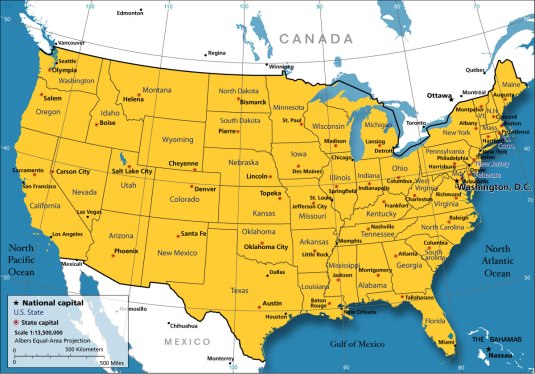
For those of you unfortunate enough to have caught the 45th President’s inaugural address, you will not need reminding of the fact that America would be putting itself ‘first’ henceforth. (Seriously, he pretty much just repeated that again and again for twenty minutes.) Americans, however, should consider the question of when their nation has ever done anything but this. After all, even though they produce only 5% of the world’s energy, they consume 24%. Their defense spending outranks the next top seven nations. They owe China over $1 trillion. And they have a dubious habit of invading wherever the globe may stop spinning at, depending on what’s for dinner. So Trump, if you or your idiot supporters are reading, please heed this blog.
The first week of the Trump administration has stirred about as much controversy as George W. Bush did in his first four years. Aiming to move against abortion (women’s) rights and the Department of Energy whilst reinstating interest in controversial pipelines have merely been the cream of this crop. This past weekend saw the 36% approval-rated President (and usually the first week is a popular one for any president) signing another executive order to place a temporary ban on immigrants from select countries (Iran, Iraq, Syria, etc.- the usual suspects). The shit hit the fan immediately with a New York judge, Ann Donnelly, ruling to prevent the removal of approved refugee applicants, people with valid visas, and “other individuals… legally authorised to enter the United States”. This did not impede on the constitutionality of the President’s order but it did send a strong message that will undoubtedly be interpreted as ‘the law being out to get him.’ The public, strangely enough, sided with the judge, in another devastating blow to the unpopular oligarch (whose approval rating, again, is 36%).
This is significant. We cannot repeat the mistakes of the past and turn a blind eye to the refugee crises. Shutting down national borders may be a means to consolidating national security but is there a point to proudly claiming this as one’s nation then? Remember the Holocaust. Remember the breakdown of Yugoslavia. Do not let this be another instance of when humanity failed to look after its own. Do not make me look up quotes to illustrate this message better. Just accept that there are times when the right thing could have been done.
Immigration is not the only instance where Trump aims to look out for his beloved country, however. He’s also bringing the jobs back. Whilst this is undoubtedly an appealing notion (which anyone could get on board with), he seems a little bit naive. America is a strong nation with an innovative market but it’s also, like every other country, part of a global network of commerce. Many established brands such as Apple have held bases abroad for years now, to the point that turning back seems inconvenient, if not, inconceivable. I will not claim to be an economics’ expert but on a basic level of logic, do these companies need America more than they need the rest of the world? Are their images not enhanced by the fact that they employ in other countries? Is that not, in turn, beneficial for US relations with these countries? America needs to establish more manufacturing jobs, undoubtedly. They should also invest more in green energy. There are ways to thus get these jobs. On a practical level though, Trump’s ideology falls through.
Of course, this notion of putting America ‘first’ cannot be solely attributed to Trump. It has always been in the lexicon of their culture and history. It stems from that age old idea of American exceptionalism which has in turn, always had to be taken with a grain of salt (or in Trump’s case, whatever they put in a KFC bucket). It’s true that the US retains this image of mysticism; a land periled by the optimist hard-worker who could go from rags to riches and turn their life around. Whether that’s ever been the case, well… we’re getting off topic – the point I am trying to make here, is that Americans need to readjust their attitude about what their nation represents. If you said, “only in Ireland..,” you would likely be referencing some disappointing anomaly in the system. In America, it would likely be with a chirrup of prevailing encouragement. To an extent, it is admirable that they believe anyone can grow up to be President. When you spout nothing but ideological fanfare however, there is a tendency to avoid self-doubt, which is a key ingredient, to any great mind. Self-doubt (or skepticism) makes you think; question yourself and your underlying principles. It makes you consider other factors; other people and other countries. In conclusion, it is imperative that America recognises the importance of acknowledging and practicing self-doubt on a world stage.
When I was in fifth year, our History teacher asked us to write an essay on the importance of Obama’s election. This was puzzling to me as this was not history. This was the present. Still, I managed to churn out some vague ramblings on the hope he inspired with the rhetoric of his speeches. You have to remember that back in 2008, Obama was like a celestial being sent from the heavens to save us from eight years of horror. Even if you knew nothing about the man, his days as a Community Organiser on the Southside of Chicago, or his political accomplishments in the Senate, you still held the innate sense that this was a good man who really was capable of enacting change and ushering in a new period of American prosperity. Eight years later, he has done just that, though perhaps not in the ways many of us would have imagined. His ascension to the highest office in the land, despite any beliefs you may hold of what came after, remains an historic moment. So, without further ado, let’s foolhardily tackle a legacy that will take years (if not decades) to fully understand, and appreciate.
The Audacity of Hope
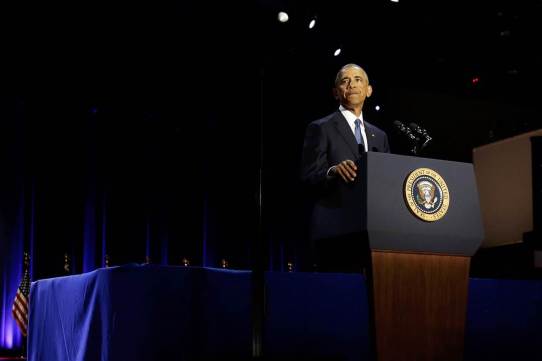
“Yes, we can” was always a banal and slightly cringe-inducing soundbite but its utterance at the Democratic National Convention last year and during Obama’s farewell address nevertheless made our hearts leap. I used to think that Obama’s great speeches weren’t that important- that what mattered were his actions. Looking back in history however, how can one simply dismiss the power of Lincoln’s Gettysburg Address, the comfort FDR brought with his radio addresses, or the tone Kennedy set for the Space Race as mere populist fluff? The truth of the matter is that a president leads not only with bills and the military, but with their words. From the get-go, Obama was a breath of fresh air because he spoke and acted with optimism, ebullience, caution, and consideration, not with bravado, brashness, and all guns blazing. As Stephen Walt put it in an early New York Times’ assessment two years ago; “[Even} when one disagreed with his choices, one knew that his acts were never impulsive or cavalier.” This helped restore not only peoples’ faith in America across the world; it helped restore general morale in an era dominated by economic hardship and political division. Particularly in light of what is to come, this will matter.
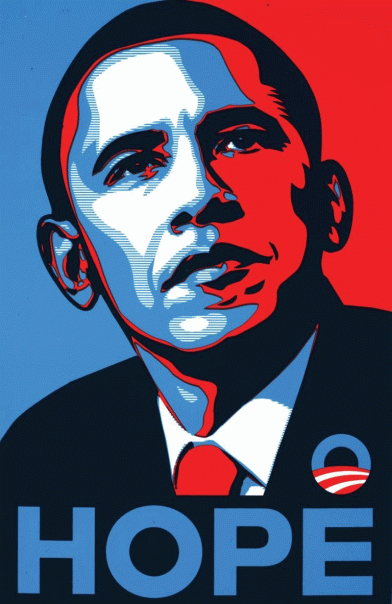
That famous 2008 poster
New World Terrors
The US was engaged in two wars when Obama took office. Many would argue that his decision to withdraw the US from Iraq was premature and facilitated the rise of ISIS. His policy on Afghanistan was somewhat wistful, quixotic, and naïve, which resulted in the stark realisation that nation building was not a feasible option. Many would contend that his condonation of drone warfare was abject and distant. Many would also assert that Obama’s foreign policy was, for the better part, a mere extension of the Bush administration’s. It’s a difficult area to assess because any of the repercussions from his actions will take years to manifest. However, it is pudent to remember the context in which his decisions were made:
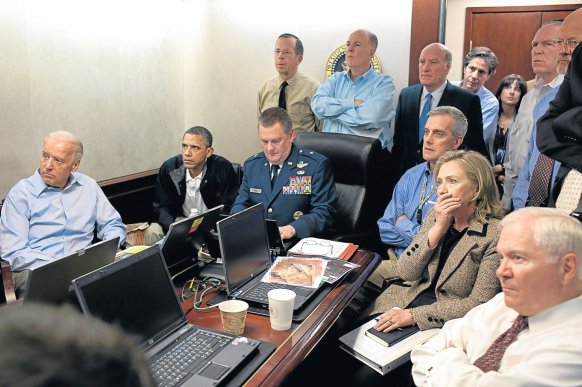
There was the Arab Spring in his first term; which sparked the fervent outcry for democracy violently across the Middle East, resulting in a cascade of falling governments along with the end of the Gaddafi reign. There was the capture and assassination of Osama Bin Laden, which closed the chapter on an event that was a cathartic moment for all Americans. There was Benghazi, which undermined the credibility of his Secretary of State, Hilary Clinton, and set a stage for scathing Republican backlash. There was the Iran Nuclear Deal, which to most reasonable people, was a step forward but which nevertheless further divided the nation writ large. There was Syria – an avenue Obama wanted to pursue but was discouraged from doing so by Congress (his seeking authority to enter may yet be seen as an aberration in the attitude of previous presidential administrations). There was Cuba, a country shunned for 50 years, a status that Obama felt deserved to be reevaluated. There was Putin; a man emboldened by the supposed appearance of weakness on Obama’s part, who entered Crimea, alighting fears of a Second Cold War. Then there has been the proliferation of terrorist threats across the world from Paris, Berlin, and Istanbul, which have consolidated the last decade and a half as the “Age of Terror.”
Republicans consistently go too far with their half-formed criticisms of the President. What they have failed to grasp time and time again is that “diplomacy” is not a dirty word. Obama understood that. He tread these waters, possibly a little too carefully, but next to Bush and Trump, are we not glad that there was a president who was willing to consider compromise before warfare? Just what will happen when Trump, the capricious braggadocio, gets his tiny hands on the most powerful military in the world? Obama’s heuristic leadership will surely seem a distant and sought after memory.
“The Situation Room”- 2011
A Nation Divided
Abraham Lincoln was a model of hope in an era of bitter division, preceded and succeeded by terrible leaders. Obama’s time draws similar parallels.
Political, economic, and social division have evidently dogged these past eight years however. To take the former case of division; we have seen from day one, the GOP’s effort to dismantle the President’s domestic efforts and undermine his legitimacy on a scale of determination even more reprehensible than during the Clinton years. The Affordable Health Care Act (arguably Obama’s magnum opus), may be a source of contention for many Americans, some see it as hyper-liberalism aiding a modern welfare state. The Republicans’ alternative however (still outstanding), simply cannot be taken seriously in this discussion; their opposition is based on nothing more than political gratification. Of course, the bill is not perfect but with 50 years’ efforts of trying to get some sort of coverage passed and 20 million more people insured, there’s something undeniably historic about this act.
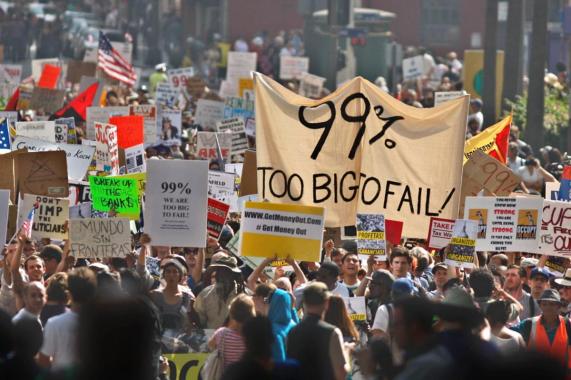
In terms of economic division then, the wealth gap has only continued to grow. Dodd-Frank was an amiable step towards reform but Wall Street was never properly disciplined and for this, Obama should be criticised. The Occupy movement was propelled by such injustice in this climate and so was Bernie Sanders, whose message, resonated with the youth, far more than Obama’s or Clinton’s. This problem, which Obama has on some level recognised, will no doubt continue to fester over the course of the next four years (if Trump’s tax plans are to be taken seriously) and it will dominate the 2020 election. To his credit, as an aside, he has made a substantive effort to promote the minimum wage and saved the country from another Great Depression (this particularly shouldn’t be forgotten).
The Occupy Movement
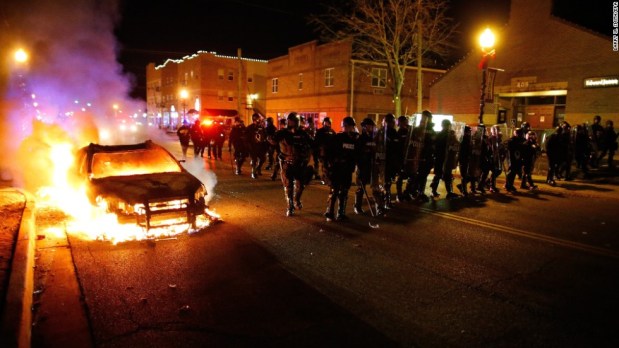
The rise of Social Media has meanwhile projected unto millions more the reality of racial, sexual, and gendered inequality. Despite having their first Black president, many members of the Black community felt disheartened by his seeming disinterest in tackling police brutality and discriminatory laws. Events like Ferguson have been a brutal reminder of the privilege afforded to White people over Blacks. With sexual equality then, Obama was not initially a champion of Gay Marriage but its passage into law in 2015 became a victory for his administration, as the culture wars took a massive swing to the left. Women’s rights, were seemingly thrown aside with the election of Trump, but Obama’s been a proponent of greater equity, particularly in the workforce.
Ferguson- gives rise to the “Black Lives Matter” movement
Guns
The fight over the Second Amendment cannot solely be hallmarked as an issue of the Obama years but it has been spread increasingly across social media lately. In a recent interview, Obama said his meeting with the families of the Sandy Hook victims in 2012 was the most difficult moment he endured in all his eight years and he meant that genuinely. Who could forget last year’s emotional speech when through tears, he told us, “every time I think about [them] it gets me mad”? Although nothing significant has been accomplished in all this time, Obama’s empathy will be remembered poignantly.
2016 Election
Obama’s own popularity rose throughout 2015 and 2016 despite an all-time low at the start of those years. He has since acknowledged however that this popularity did not transfer over to the Democratic base. Was the party, in some ways, damaged during his Presidency? November’s results would attest to just that but the election was of course anything but logical. Still, it may be argued in years to come that Obama’s greatest failure as President was to mobilise his party effectively and prevent the election of the Donald. Bill Clinton hasn’t exactly borne the grudge of Bush’s election. Carter’s leadership, on the other hand, certainly caused friction with the more liberal sides of his party and helped propel Reagan to power.
A Frustrated Presidency?
There are many areas this article hasn’t covered, including Climate Change, Obama’s generational image, the Auto-Industry, Immigration, and Citizens United. The overriding image these issues convey however is that of a “frustrated” presidency. The promises were many and the hopes were high; too high to ever formally be realized. Set against the schism of a society at odds culturally and politically, there were in many respects, very few avenues for this President to pursue without controversy. At first, he seemed a tad hesitant, especially given the Democrats’ initial majority. He was building the blocks of his legacy however, as a man of the people, not the politicians. Obamacare, I would argue, needed to be sold to the public. Politically, it would always be burdened. Indeed, many of his programs needed popular support. (Perhaps this is why he made so many chat show appearances!) And while his approval ratings have ended on a relative high, in many ways, this man and his team must be heartbroken; for just as so many greater heights could have been reached, so too could the measures he’s taken be torn apart in years to come.
In the final reflection, one has to wonder if Obama had ceded to Clinton in 2008 and ran, in perhaps 2020, would he had been better positioned to enact his powerful rhetoric of real change and unbridled hope for America? We’ll never know. When the dust has settled on his presidency, and equipped with the glorious retrospective vehicle of historical analysis, I think the 44th President of the United States will stand out as a coruscating example of a man, who in the face of constant adversity, lead the nation with progressive, principled, resolve.
Donald Trump barked his way through a mire of intangible promises on the campaign trail. His appeal however resonated with the public’s general perception of him as an agent of change; a man, who in his own words, would ‘drain the swamp.’ As we have seen in the past few weeks however, he is doing anything but this. The nominations of Wall Street fat cats Steven Mnuchin and Wilbur Ross to Secretary of Treasury and Commerce, Rick Perry to Secretary of Energy, and Jeff Sessions to Attorney General, among other malevolent choices, have made it clear that the billionaire will be anything but a champion of the blue-collar Americans he courted. In this respect, he is therefore already a ‘failed’ president.
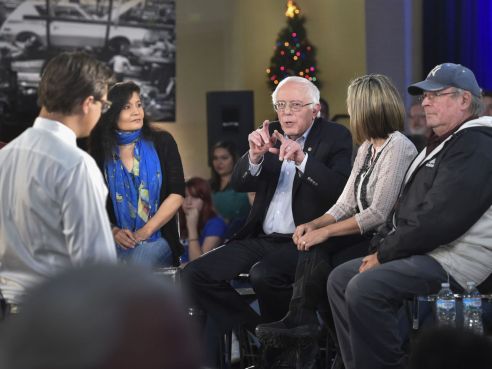
Last week, Bernie Sanders entered what might have seemed to many, the lion’s den, participating in a town-hall discussion with Trump supporters. What became abundantly clear from this Kenosha, Wisconsin talk was that the people there, who had suffered grave unemployment levels, were not in the least bit willing to be coalesced by the Clinton/establishment machine. Many would have chosen Bernie if he had been on the ticket. Politics, for the most part, did not influence their decision. What did was the deep and troubling realization that Washington, in its current state, would never cater for them. One of the gravest mistakes the mainstream media has made this year (and there have been many) is to conflate these peoples’ ideals with those of Trump’s. His supporters were for the most part never proponents of such ridiculous schemes as the Mexican Wall. They did believe however that this election could break the cycle of the past. After all, what would it be like to have an outsider in the White House? Hmmm…
Forty years ago, America did exactly that, with perhaps its most honest and earnest president ever, Jimmy Carter. The 39th President’s tenure was hardly a smooth road (to put it lightly) but it was undoubtedly a diversion from what came before and what would follow. For example, he conducted himself with an air of modesty, you wouldn’t even expect of state politicians, by carrying his own suitcase, enrolling his daughter Amy in a public school, and refusing the playing of the ‘Star Sprangled Banner’ for his arrival at functions. He led by example, when conducting policy, turning the air conditioning off to promote energy conservation whilst opting for a sweater when things got cold. He spoke candidly and took the blame when he felt it was deserved, addressing the nation on a ‘Crisis of Confidence’ in July of 1979. He also refused to bow to the whims of the Democratic Party, whose power was consolidated in Congress, but whose aspirations did not always meet in tandem with his idea of a fiscally responsible nation. In the end, he was punished with defeat, largely for his inability to solve the Iranian Hostage Crisis but also for his refusal, in many respects, to play the establishment game. Outsiders are necessary, every once in awhile, for the sake of shaking Washington up but as President Clinton, came to understand in 1994, compromise is essential too. So what happens then, when the so-called ‘outsider’ decides to compromise on this vision before his inauguration has even taken place?
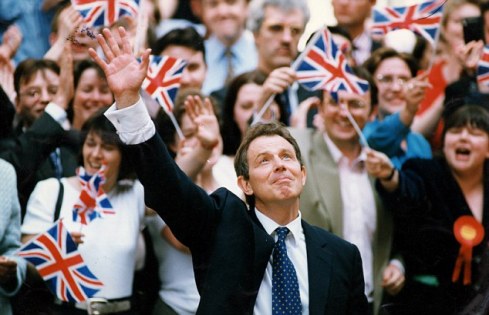
Populism drove the course of this election. Sometimes it can be a good thing. It gives way to new ideas or revitalizes issues lost within the course of a specified agenda. This happened with New Labor in Britain in 1997 during the era of ‘Cool Britannia,’ when Tony Blair helped recapture a country bogged down by over 17 years of Thatcherite policies. Sometimes, if unchecked, it can go terribly wrong however. For example, to step outside the election process, let’s take a look at the explosion of patriotism that blossomed in the wake of 9/11 (something we addressed briefly in our last piece). Whilst America’s critics remained, their voices were largely subdued. This gave way for Bush to instill his ineptly named ‘War on Terror’ on the world, pass the Patriot Act, and launch two wars. Before Congress, when he declared that nations must decide ‘whether they [were] with’ America or against them, applause rang across Washington. It was pretty disgraceful but populism drove the rational mind to cowardice amidst an atmosphere built on hate and American pride. Bush was an insider but he and his team knew how to capitalize on this bulwark of emotion. Carter did too, within a different context and Trump does now, within his.
‘Populism’ is not necessarily a bad thing, if you take it to mean ‘pleasing all the people all of the time’ as Tony Blair so ambitiously hoped to do nearly twenty years ago. Its specific intent must always be checked however. Carter sought to break with the past and restore a moral sense of authority to America. In my opinion, with no lies put forward and no shots fired in four years, he did that. Bush used it, at an opportune time, to drive forward a domestic and foreign policy. Trump, it seems, has taken the people of America’s most desperate hopes and fears, and twisted them to project an image of authenticity in his own name. He is, within one sense, an ‘outsider’ because he lacks the political know-how to do his job. (He also doesn’t look like most humans.) His administration will however not be revolutionary in this vein. It will more likely resemble a Bush II presidency, pumped up with right-wing steroids and of course, gaffes galore.
With the assessment of many analysts and key figures, including Obama, that fake news’ stories shared on social media played a role in the outcome of this election, it must be recognized that there has been a significant lapse in critical thinking in America. Think about it- when you scan your Facebook feed, do you stop to read each and every article shared or do you just scoop the headlines into the back of your mind. I’m guessing, like me, you do the latter because there’s only so much time in the day and most of these stories seem trite and annoying. What you don’t realize however, read or not, is that a general impression is formed in your subconscious, resulting in a predisposition that can’t often be accounted for personally. For example, in the election cycle, we heard from a lot of people that Hillary was “crooked,” but we rarely heard from most of them exactly why (at least, in detail.) This resulted in the mass insemination of a wild notion that while Trump was none too desirable, Hillary was “just as bad.” If only, we had questioned these people as well as ourselves…
The media landscape has changed dramatically in recent years. Whereas Fox was always an anomaly in rationale prognosis, the other major networks such as CNN and MSNBC could be relied on, for the most part, to provide us with important news (if a bit left-leaning). Now, with the social media age, there’s so much flotsam out there that it’s become difficult to distinguish the bullshit from the professional and even then, the professionals get it wrong. (Thanks for those national polls, guys!) Many people are quick to out the amateurs in the comments’ section but even there, the gulf between credibility and crazy is wide. Is Obama the hero so many have painted him to be or is he an Islamic fundamentalist determined to take America’s guns away and flush them down the toilet? At this point, the level 1 critical thinker might surmise that the answer always lies somewhere in the middle. It’s all about balance, right? Sadly, it’s not that easy either. Critical thinking does not mean delving a line in the center of a Republican and Democratic thought; it means examining the very fabrics and grounds on which arguments are created.
Let’s take a case in point to illustrate the importance of this evaluative method: the Iraq War. In 2003, America launched one of its most dodgy exploits to date with the invasion of the Kuwaitan neighbor. Most people will tell you it was a disastrous campaign that has brewed trouble for the world since and only a few less will further that the grounds on which it was built were dismally unfounded. To sharply dispel any immediate backlash, I am going to formally state first that I do not think this war was a good idea. What I am going to attempt to do however is add a wrinkle to the clear picture many people have of it.
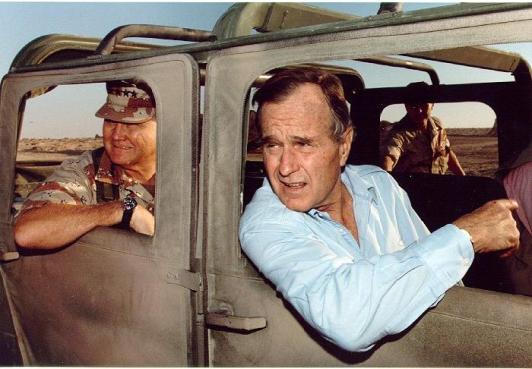
It all started in 1991 when George Bush Sr. declared war on Iraq after the invasion of Kuwait, believing such acts of aggression could not be tolerated. The mission was simple; to restore Kuwait’s territory and drive Saddam’s forces out. After an extensive air campaign, the battle was short and sweet for America. The casualties were relatively low for them, victory was swift, and the president’s approval rating rose to 89%. For many however, Bush Sr. made a critical blunder in failing to follow on through to Baghdad and dispose the despot. He felt, in this scenario, there were no grounds for this course of action. And so order was restored seemingly though Saddam remained in power, violating UN sanctions placed over the course of the 1990s, with repeated reports of chemical weapons being used against his own citizens.
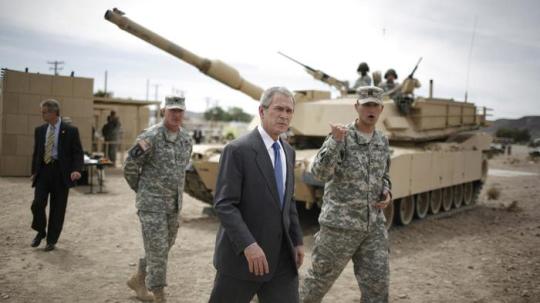
In 2001, the World Trade Centers fell and the Age of Terror took hold of America. Many argued at this point that Bush II set his sights on Saddam before Afghanistan (the Bin Laden problem) was even on the books. This is a leap for others. Here, I believe, the truth may actually lie in the middle as the Bush administration’s policy was clearly set after a ridiculously named “war on terror.” Iraq, W. argued, had to be seen in a different light in this new world context. Did it? Or had it merely become convenient for the Republicans to enact the invasion they had been plotting for years? It became very difficult for moderate thinkers to thread the line between a revived and fervent patriotism in the wake of 9/11 and the dissent of liberal caretakers, who opposed the idea of an American New World Order. Finally, of course, the date was set when W’s intel (a gut-wrenching use of the word) declared their belief that Saddam held weapons of mass destruction (or later, the “capacity” for such weapons). The rest of the story played out then quite clearly. The war began. The statue fell. Saddam was taken. The casualties mounted. They didn’t get out. A surge took place. An economy fell. Another man took office. They began to withdraw. Insurgencies rose. A new terror formed.
Iraq was no prime example of interventionist success but its significance was different to many people. Some believed it was the most unnecessary and immoral act America had committed its sights to since Vietnam. Some believed it was a necessary precaution to take in an era of heightened international tensions. It wasn’t right to let a man like Saddam lead a nation, in many people’s opinions. His absence created a void from which organisations such as ISIS would arise however. Hindsight is 20/20 as well. Great critical thinkers such as the late Christopher Hitchens, who often rejected well-revered establishment figures such as Henry Kissinger and their philosophies, felt that America’s commitment to the sanctions placed in the 1990s meant they should have taken action much earlier. Others then, will always contend, that it is not America’s right to dictate the rights of another nation.
I chose Iraq as an example, not because I believe, it will mystify many who had blankly accepted it as a falsely premised war, but because it exemplifies the simplicity with which so many people view these matters. It’s important to question those who you have agreed with 99% of the time. It’s important to think on the other side once in awhile because while I reject the notion that sanity lies squarely in the center of the political aisle, I do believe that neither side has proven itself to always be on the right side of history. So with the dawn of a new dark era in America, let’s hope that people will begin to base their opinions on facts again and not just conjecture. 2016 marked a great lapse in logical and critical thinking for America, among other nations, because fear and anger fueled the fire. In 2017, let’s restore the approach (Nixon once noted) Eisenhower took to solving problems; through cold eyes.
President Obama has stated that while he will not engage in political battles outside of office, he will speak up when American ideals are “at stake.” Ergo, he will be more of a Jimmy Carter than a George W. Bush when it comes to commenting on his successor’s policies. And so he should be! The president’s opinions are highly respected worldwide and even out of power, he will continue to act as a source of inspiration and comfort for millions of people dreading the near future. As we have seen thus far however, he can’t go in too boisterously. Transitions are at the best of times awkward and some level of protocol must be recognized for the good of democracy. So, let’s take a look first at the candor with which Obama should conduct himself up until January’s inauguration before examining the ways in which he should behave thereafter, with a few comparisons to other presidents along the way.
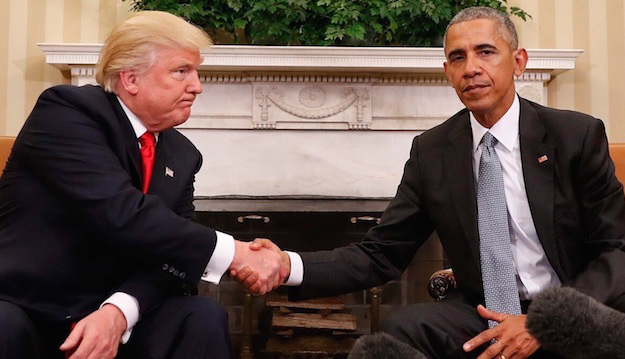
It seems from various reports that Obama was just as surprised, shocked, and distressed as the rest of us by the results of the November 8th election. His initial address on Trump’s victory, whilst uncomfortable at parts to watch (owing to the long-standing animosity between the two) was nevertheless graceful though. He remarked how, while Bush II and he had many disagreements, he was well looked after when it came to the transition period- something he was very grateful for. Aiming to extend this courtesy to his successor, Obama has thus put politics and personal qualms aside for the good of unification. After all, he remarked upon that awkward televised meeting between the two, “when [he] succeeds, America succeeds.” Has a president ever had to show such restraint?
The US stands at its most deeply divided in decades. Trump’s policies may not be reflective of his voters’ own sentiments but his popularity and victory are symptomatic of a country pushing back the dial on a cultural shift towards liberalism. Racism, homophobia, and sexism were never wholly problems of the past but the scope of their significance hardly perpetuated the likes of the 1950s. Now, it seems for a great many Americans, all the cards are out on the table again. Obama has to tread carefully therefore- he’s not the president for just states like California and Washington, he’s the president for all these people, whose voices (like it or not) were heard this election. To compromise Trump with (let’s face it) the facts would serve not only to undermine the legitimacy of the Oval Office but alienate a great portion of the population and foreign interests.
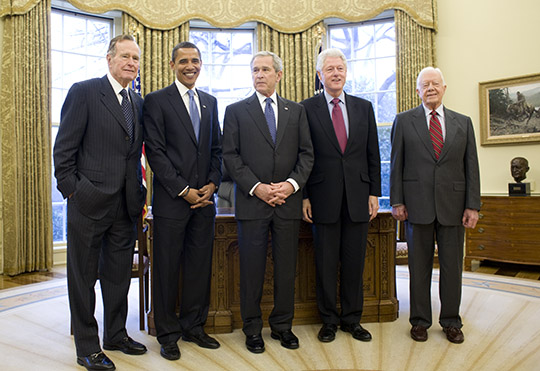
Obama’s stature will not wholly diminish come the next presidency. The likes of Bill Clinton and Jimmy Carter, after all, are still given a spotlight when they have something to say. His responsibilities however will become Trump’s, allowing him once again to lead the ordinary life of an American citizen. That means, that like every other citizen, he is entitled to his opinion. Like everyone else, he can choose to express this when and how he likes, or not at all, if he wants to take the more quiet line of both the Bushes. While world leaders can technically can do this, they never seem to because of the dynamics of politics. In power, you have to work with people and that’s more easily accomplished when relations are kept sweet.
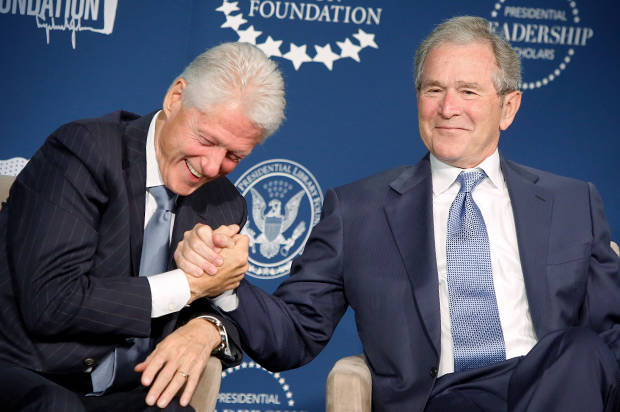
A certain level of caution, even outside of office, wouldn’t go amiss either. Former presidents have such a high profile that to intervene stridently with strong criticism can have a major effect on another administration. For example, Jimmy Carter’s opposition to engagements such as the Gulf War or his decision to speak to the press after a North Korean trip arranged by the Clinton administration were hardly appreciated by teams, devising specific, PR-led strategies. He’s loved by many for his blunt assessments (e.g. once calling George W. Bush the worst president of his lifetime) but sometimes sensitivity is needed in politics too. Bill Clinton, in many ways, is a nice compromise between Carter and the Bushes. He speaks on occasion on issues he supports, such as health care, but he doesn’t speak controversially- very much, as if he is (was) preparing to return to the arena of politics. Of course, future scenarios will hardly run in a neat parallel to what Clinton experienced in his post-presidency. Bush II had to contend with an injured country in the wake of 9/11. Clinton was a very different president in terms of politics but he recognised his successor needed all the support he could get. They even went on to become good friends! Obama and Trump, I estimate, will not.
Thanks to the House and Senate elections, Trump is in a greater position than most succeeding presidents, to dismantle the legacy of his predecessor. If he moves on Obamacare or the Iran Nuclear deal without any justification, it is likely the pushback from Obama and his camp will be nothing short of vitriolic. This is understandable. Bush II may have turned a surplus into a defecit before his first year was out but Clinton’s legacy was assured by the state of the union in 2000. A great part of Obama’s legend will depend on how his programs sustain in the future. Years from now, if the Affordable Health Care remains, historians will look back and say it all came to fruition in 2009. Trump’s not only a threat to Obama of course but liberal values he and his followers support. If Trump goes to build his wall, work against women’s rights, etc, then Carter may have a friend in the former president’s club. And while I personally admire old Jimmy, he kind of needs one.










 The Washington Walrus